


September 14, 2026, 3:38 pm | Read time: 4 minutes
A toned butt is a fitness goal for many, but often there’s not enough time for long workouts in daily life. The good news: You don’t need to spend hours at the gym to see visible progress. With the right exercises and sufficient intensity, you can shape your glutes beautifully with just 20 minutes a week. At FITBOOK, you’ll find the right training plan.
These Exercises Train the Glute Muscles Especially Effectively
Squats
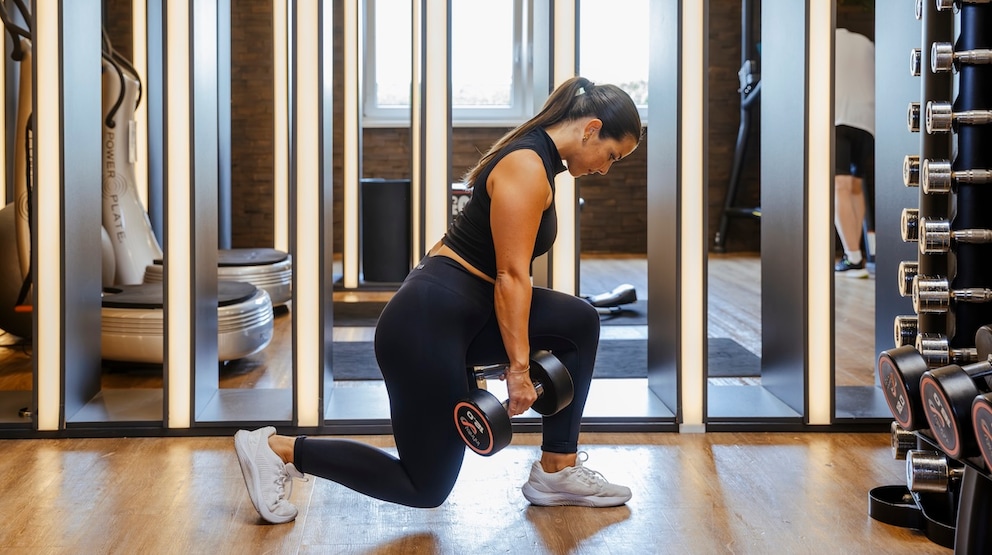
Squats are a classic in strength training. They simultaneously engage the legs and glutes and also challenge the core muscles. A stable back and a secure stance with firm foot contact on the ground are important. Simplified versions or equipment support are suitable for beginners.
Romanian Deadlift
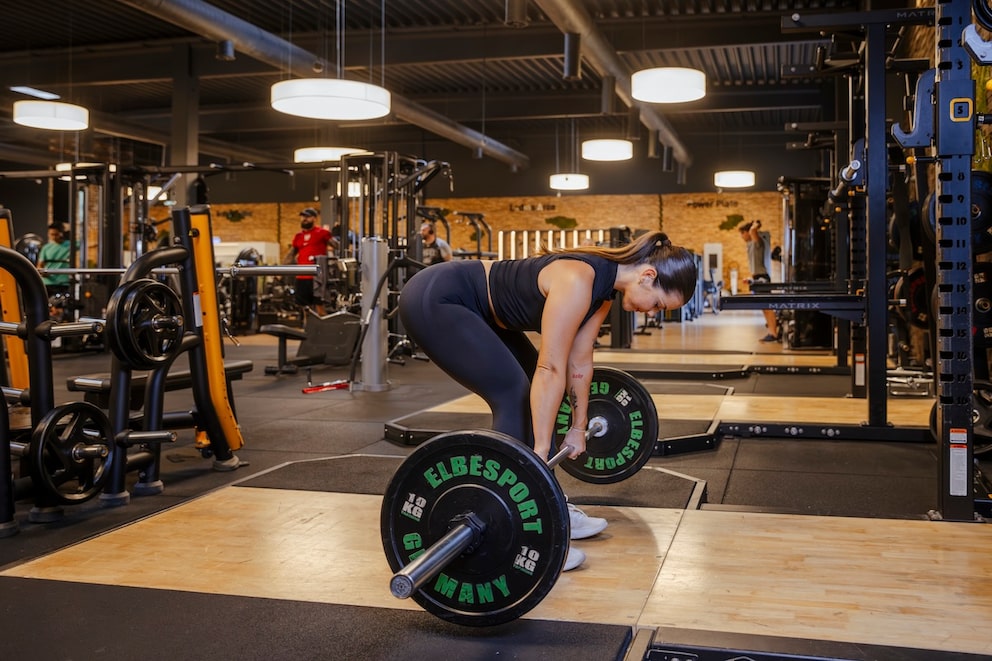
This exercise focuses on the entire posterior muscle chain. The weight is lowered close to the body to about shin height while the hips are controlled backward. The knees remain slightly bent.
Sumo Deadlift
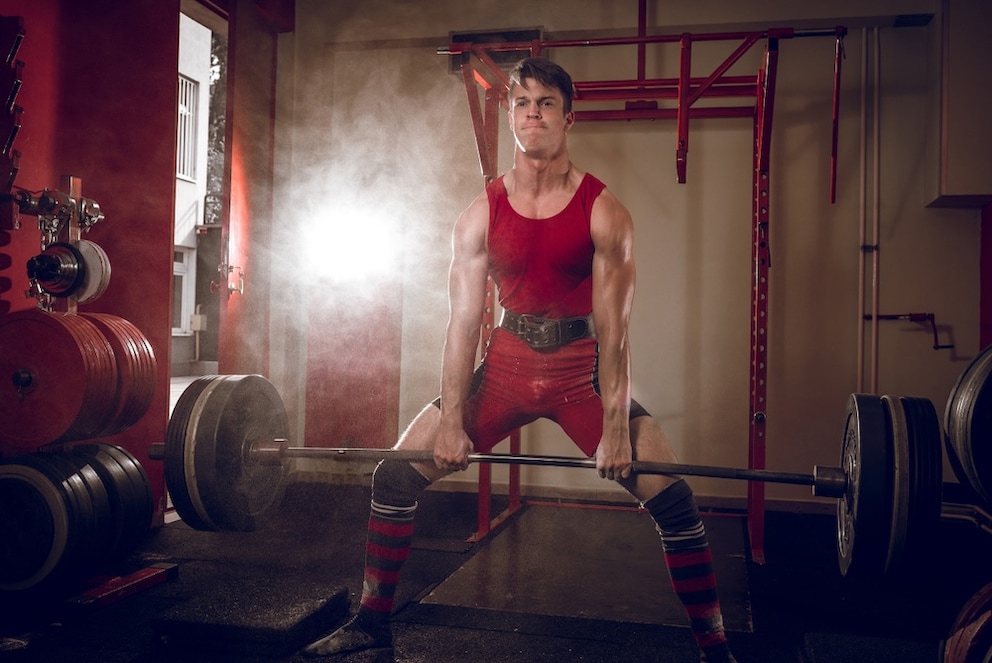
In the sumo deadlift, the feet are positioned significantly wider than shoulder-width, with toes pointing outward. This position intensely engages the glute muscles. The exercise can be performed with both barbells and dumbbells.
Hip Thrusts
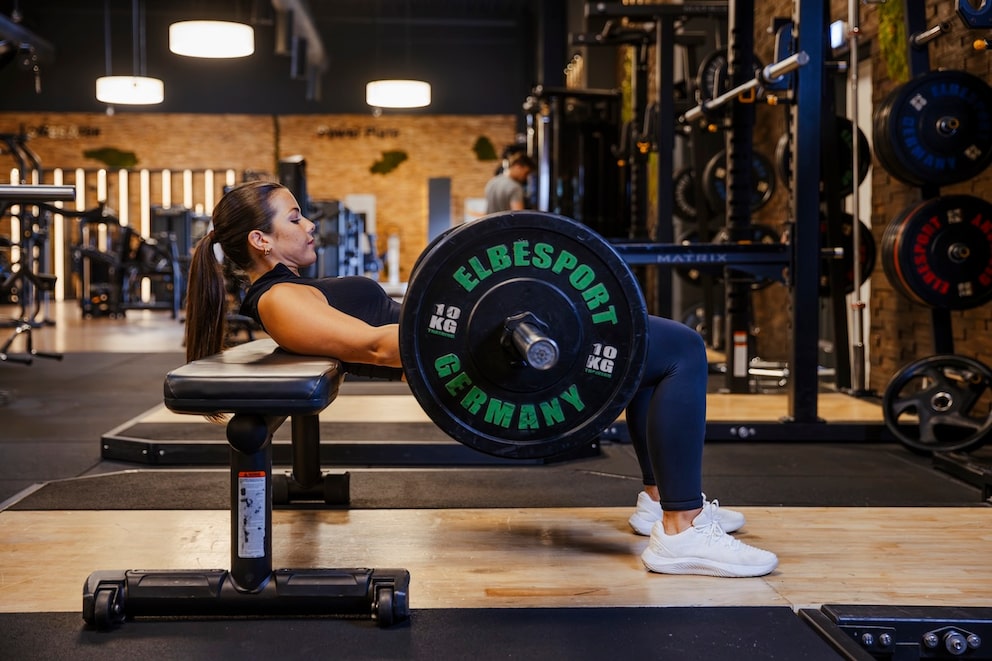
Hip thrusts are among the most effective exercises for the glutes. The upper back rests on a bench while the weight is on the hips. Then, the hips are lifted until the torso and thighs form a straight line. The core remains engaged throughout the movement.
Glute Bridge
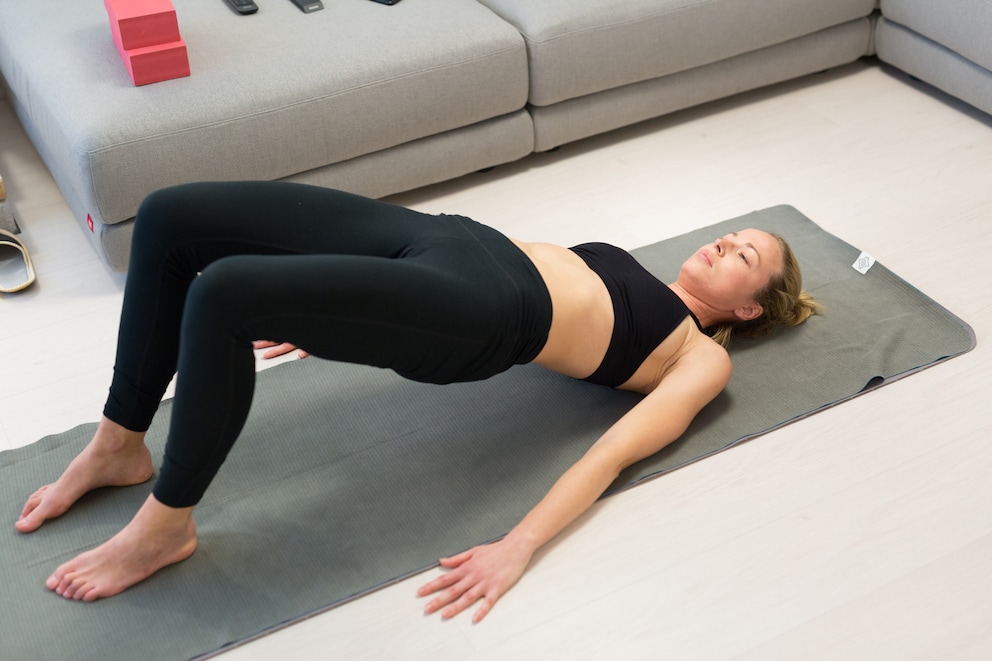
The glute bridge is similar to the hip thrust but is easier to perform. You lie on your back with your legs bent. Lifting the hips specifically activates the glute muscles. The exercise is particularly suitable for home workouts.
Bulgarian Split Squat
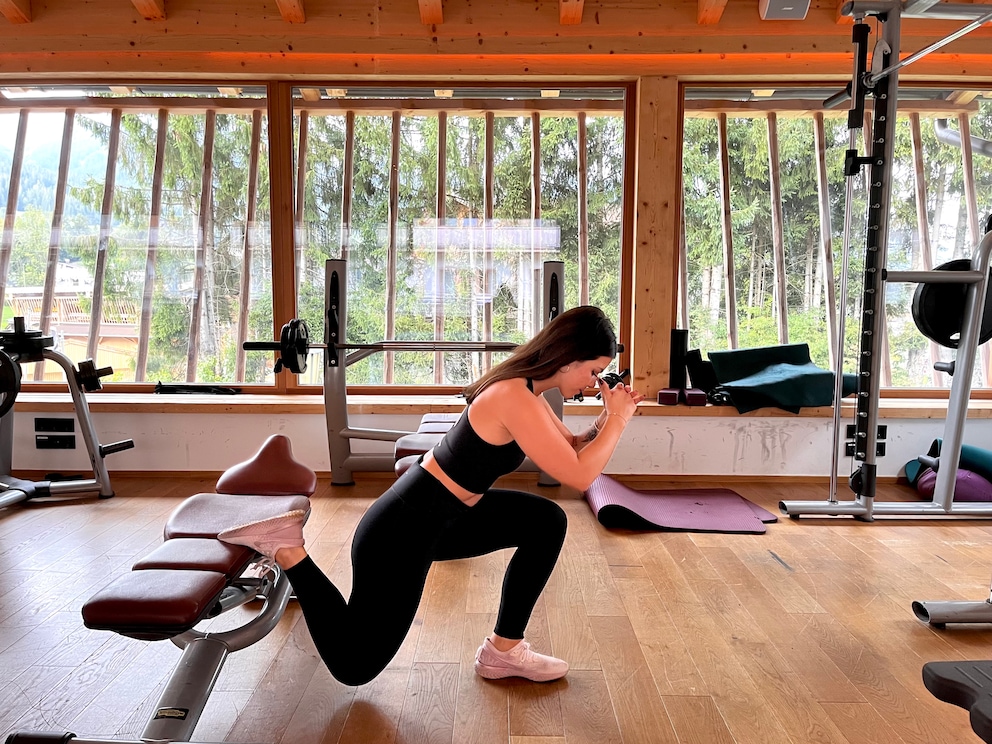
In this variation, one leg is elevated on a bench behind the body. The front leg does most of the work. The slightly forward-leaning torso position places a strong demand on the glutes.
Kick Backs
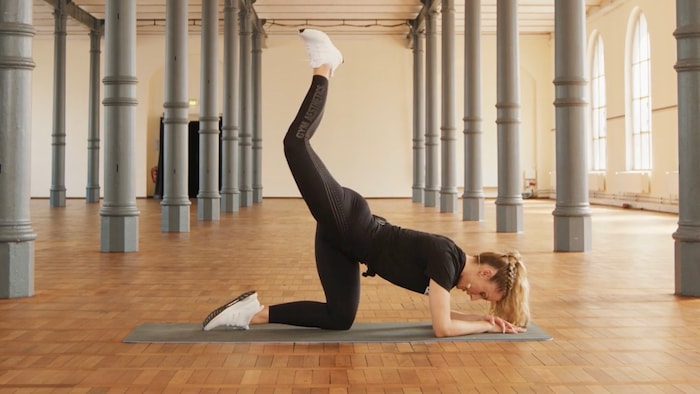
Kick backs are performed in a quadruped position. The legs are alternately moved backward and upward in a controlled manner. A resistance band can further increase the load. A straight back and stable core are important.
60 Minutes for Legs and Glutes–With CrossFit Pro Hendrik Senf
Why Glute Workouts Are the New Ab Workouts–and My 7 Exercise Tips
The Four-Week Training Plan
The program divides the total 20 minutes of training into two short sessions per week. It focuses on four selected glute exercises. Alternatively, sumo squats, Bulgarian split squats, or glute bridges can be integrated.
Week 1: Focus on Technique
Initially, the focus is on learning the correct execution of movements. Training is done with light weights or solely with body weight.
- Squats: 2 sets of 12 reps with 30 seconds rest
- Hip Thrust: 2 sets of 12 reps with 30 seconds rest
- Romanian Deadlift: 2 sets of 12 reps with 30 seconds rest
- Kick Backs: 2 sets of 12 reps with 15 seconds rest
Week 2: More Intensity
Now the training weight is increased. At the same time, the number of repetitions decreases to specifically increase the load.
- Hip Thrust: 2 sets of 8 reps with 45 seconds rest
- Romanian Deadlift: 2 sets of 8 reps with 45 seconds rest
- Kick Backs: 2 sets of 10 reps with 45 seconds rest
Week 3: Build Strength
The weight is increased again. The goal is a load where the last repetition can just be performed with clean technique.
- Hip Thrust: 3 sets of 6 to 8 reps with 60 seconds rest
- Romanian Deadlift: 3 sets of 6 to 8 reps with 60 seconds rest
Week 4: Continue to Increase
The training structure remains unchanged from week 3. If the exercises are now significantly easier, the weight should be increased again.
- Hip Thrust: 3 sets of 6 to 8 reps with 60 seconds rest
- Romanian Deadlift: 3 sets of 6 to 8 reps with 60 seconds rest
Sleep and Nutrition Remain Important Factors
Regular training can shape and strengthen the glute muscles. However, adequate recovery and sleep play a crucial role in making the results visible. Nutrition is equally important. A not-too-high body fat percentage helps the trained muscles stand out better.
Alina Bock is a fitness economist, personal trainer, nutrition consultant, and course instructor. She specializes in pregnancy, sports nutrition, body shaping, weight management, and rehabilitative training. Melanie Hoffmann is the editorial director of FITBOOK, fitness expert, certified sleep coach, and holder of a sports nutrition and supplement license.