


March 19, 2026, 3:47 am | Read time: 3 minutes
The question keeps coming up—in the gym, among beginners, and even among advanced athletes: Is it actually beneficial for women to train differently from men? In other words, do women’s bodies respond differently to training stimuli than men’s bodies? And what about cycle-based training? FITBOOK examined the research and consulted experts.
Same Basics for Both Genders
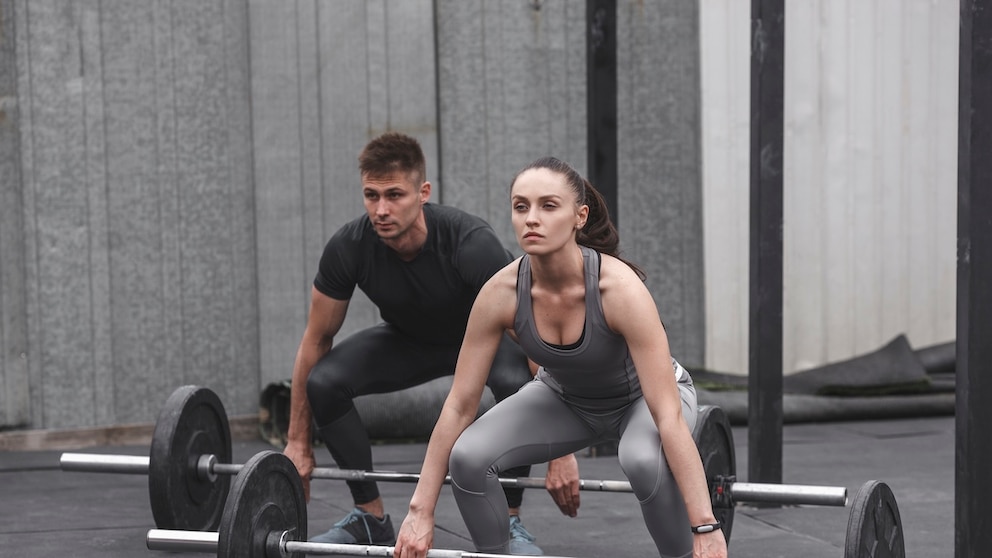
“Do women need to train differently from men?” According to experts, this central question can be clearly answered: The same training principles apply to everyone. Regularity, a gradual increase in weights, and proper exercise execution in strength training, as well as adequate recovery, are crucial—regardless of gender. Scientific studies also confirm: When women and men train under comparable conditions, they achieve relatively similar progress in building endurance and muscle mass.1,2
However, sports scientist and personal trainer Markus Bremen observes a difference in behavior: “Many women train too cautiously. They underestimate their resilience and opt for lighter weights out of fear of gaining too much muscle.” The key factor, however, is not gender but progressive overload—the continuous increase of training stimuli. To put it in perspective: This also means that women need not fear “suddenly highly visible muscles.” Achieving this requires a smart training plan combined with an adapted diet.
Cycle and Hormones: Individual Differences Are Key
A frequently discussed topic is the influence of the female cycle on training performance. While some training approaches recommend adjusting the training plan accordingly, research shows a mixed picture.3,4 Luise Walther, a personal trainer and expert in neuro-centered training and neuroathletics, explains: “Women should orient themselves by how they feel. Those who sleep poorly, experience severe pain, or feel unusually exhausted should adjust their training accordingly. There is no universal cycle training for everyone.”
Fitness economist and personal trainer Alina Bock also confirms that hormonal fluctuations can play a role. She reports from practice that women “often cannot maintain intensity and recovery consistently throughout the month.” Therefore, she recommends paying attention to one’s own body signals and not directly comparing performance phases.
Increased Risk of Knee Injury
A clear difference, however, is seen in susceptibility to injury: Women have a higher risk of ACL injuries compared to men. The exact causes are still under investigation. Targeted training can counteract this. Stability exercises, strength training, jump training, and proper technique can significantly reduce the risk.

Effective Training After 40: What Women Should Consider

Chest Pain in the Gym–Are Machines Not Designed for Women?
Keep an Eye on Nutrition and Recovery
In addition to training itself, nutrition and recovery play an important role. Especially for women, a calorie deficit or untreated iron deficiency can impair performance and recovery. While these factors also affect men, they occur more frequently in women.
Individual Training Instead of One-Size-Fits-All Solutions
Ultimately, it becomes clear: The decisive factor for progress is not gender but individual training design. Training plans should always be tailored to personal conditions, goals, and daily form—regardless of whether one is male or female.