


December 8, 2025, 6:04 pm | Read time: 5 minutes
Unhealthy blood pressure levels can have significant, long-term negative effects on the body. Cardiovascular diseases, arteriosclerosis, or organ damage are possible consequences. For healthy blood pressure, a balanced diet and sufficient exercise are important. But which type of training is most effective? A study from 2023 has found the answer. FITBOOK explains which training method is best for healthy blood pressure. Surprisingly, within this training form, a specific exercise has proven to be particularly effective.
First things first: Any regular exercise is good for blood pressure. So, if you’re not interested in the specific training identified as the best for blood pressure in the British meta-analysis, you don’t necessarily have to force yourself to do it. Those who already enjoy these exercises can look forward to an additional benefit from their workout. And for those looking to optimize their training for blood pressure, here are some valuable tips.
Effect of Different Exercise Interventions on Blood Pressure
To determine if there is a single best training method for healthy blood pressure, and if so, which one it is, researchers examined studies from 1990 to 2023 that looked at the effect of different exercise interventions on resting systolic and/or diastolic blood pressure. They included studies where the training phase lasted two weeks or longer that had appropriate control groups alongside the study groups. Blood pressure values were measured before and after the exercise intervention at rest. These criteria of the meta-analysis were met by 270 randomized, controlled studies with a total of 15,287 participants.1
Blood Pressure Values
Systolic Blood Pressure: The first value refers to the pressure in the vessels when the heart contracts.
Diastolic Blood Pressure: The second value indicates the pressure when the heart relaxes.

Isometric Training Significantly Lowers Blood Pressure

Which Type of Exercise Best Lowers High Blood Pressure?
This Training Method Had the Best Effect on Blood Pressure
The result: Any form of training had a positive effect on blood pressure compared to the control groups that did not exercise. Significant reductions in systolic and diastolic blood pressure were observed after endurance training (such as jogging and cycling), dynamic strength training, strength-endurance training, HIIT, and isometric training. However, they differed in the extent of their impact. According to the meta-analysis, isometric training seems particularly recommendable. It proved to be twice as effective as the other training methods in lowering both systolic and diastolic blood pressure.
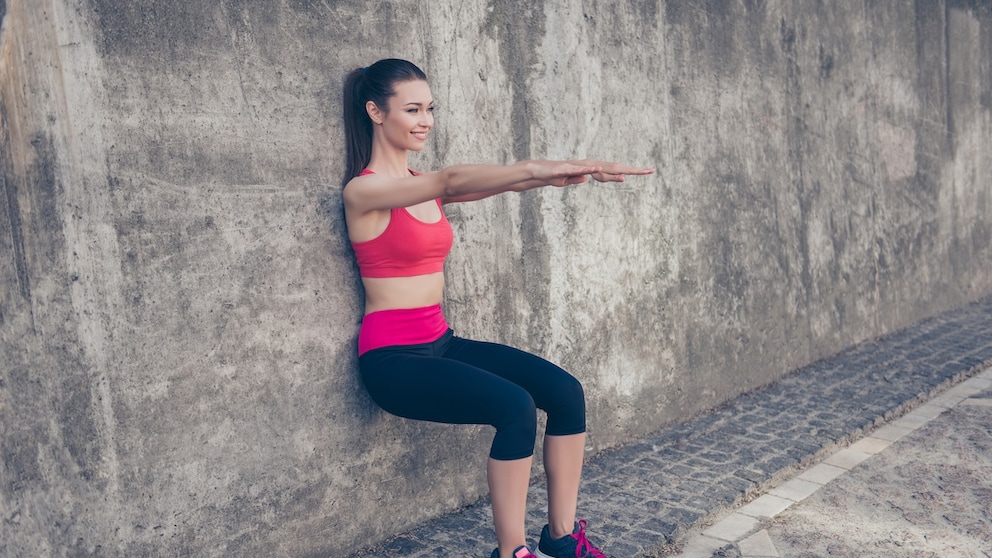
An isometric exercise proved particularly effective in lowering the diastolic value, namely the wall squat or wall sit. To lower the diastolic value, one should focus on running. In endurance training, the study also showed that a lower training frequency tended to have greater success than when participants trained more frequently. Also highly interesting: The positive effect on blood pressure was particularly pronounced in people with elevated baseline values, meaning those who already had high blood pressure at the start of the study. This suggests that isometric training can be used not only preventively but also therapeutically.
Also interesting: How Long You Should Be Able to Hold the Wall Squat
How Long You Should Be Able to Hold a Wall Squat
Holding exercises like the wall squat may look easy, as they don’t require complicated movements. It’s simply about holding a position. But anyone unpracticed in wall squats will soon realize that holding this position can become a significant challenge. Many do the wall squat primarily because it can help shape a nice butt. However, this is only achieved if you can hold it long enough. “It definitely depends on the duration of the hold. Anything over a minute would be advisable,” explained sports scientist Farsan Maheronnaghch in a previous FITBOOK article. In it, he also revealed how to gradually increase the exercise for maximum effectiveness.
What to Consider When Planking, According to the Fitness Professor
One of the most well-known static (isometric) exercises is the plank. Some people hate planking, while others love it. In any case, planks are indispensable in various workout programs. As with any exercise, the plank is only effective if done correctly. Fitness professor Dr. Stephan Geisler explained in a previous FITBOOK report: “Basically, you shouldn’t plank as long as you can endure, but only as long as you can maintain the correct posture through muscular tension.” It’s especially important to keep the back straight and not arch into a hollow back. “In technical terms, we refer to this as pelvic tilt. While it may not be immediately harmful to health, it is certainly very uncomfortable and can cause pain,” the expert explained.

Because planking also has some impact on the cardiovascular system, the exercise initially causes a rise in blood pressure, which heart patients and hypertensive individuals (people with high blood pressure) should keep in mind and therefore not overdo it with planking.
Conclusion
Even though isometric exercises like the plank can initially cause a rise in blood pressure, they appear to have a long-term positive health effect on resting blood pressure values. Therefore, the researchers behind the 2023 study from Canterbury Christ Church University and the University of Leicester recommend incorporating training, especially the isometric method, into measures for the prevention and treatment of high blood pressure. Tips that hypertensive individuals should consider during training, especially strength training, can be found here.