

January 4, 2026, 5:14 pm | Read time: 7 minutes
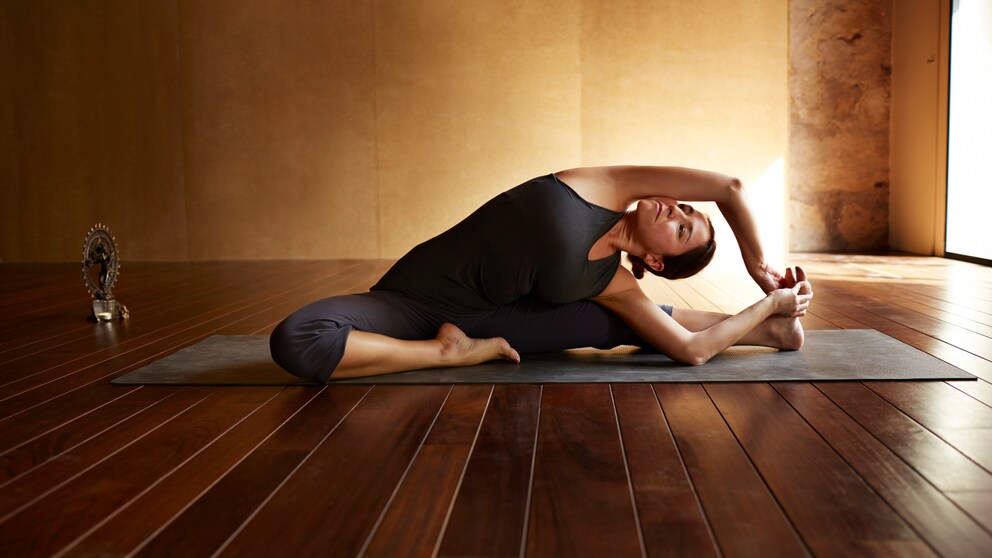
Even though yoga is based on a comprehensive tradition and life philosophy, you can participate in a yoga class without any prior knowledge or spiritual interest. You don’t need to know all the chakras to do yoga. In fact, you don’t even need to know what chakras are. What is helpful, however, is a basic understanding of the different yoga styles. This way, you can find the one that suits you best. FITBOOK author Lucie Andritzki introduces six different yoga styles. Which ones she has tried herself and which style she would highly recommend, you can read here.
Why Almost Everyone Can Find the Right Yoga Style
People often say things like, “Yoga just isn’t for me.” But the real question should be: Which yoga exactly? Because not all yoga is the same. There are numerous styles and offerings that can differ significantly from each other, so there should be something suitable for every taste and need.
Before you randomly book any yoga class and suddenly find yourself in a 104-degree room, it can be helpful to first familiarize yourself with the basics of the different styles. And if you haven’t been particularly enthusiastic about yoga so far, it might be worth trying a different style.
Is There the Healthiest Yoga Style? Here’s What Research Says
Research shows that there is no “best” yoga style. A large analysis of randomized studies found that different yoga styles do not lead to “better” study results more often than others.1 What often matters more is not whether “Hatha” or “Vinyasa” is on the schedule, but how regularly you practice, how well the exercises are instructed and adapted, and what goal you are pursuing.
Also interesting: 7 Fitness Hacks from a Yoga Instructor That Will Completely Change Your Workout

3 yoga exercises that burn the most calories
What Exactly Is Pilates–and Which Body Parts Does It Train?
Which Yoga Style Fits Which Goal?
It’s easiest if you don’t start with the style name, but with the question: What should yoga do for me right now?
If you primarily want to reduce stress, sleep more restfully, or just “unwind,” you are often well-suited to quieter, passive formats like Yin Yoga (or very gentle classes). Here, the focus is on long holds, breathing, and relaxation. If it’s more about fitness, strength, and a sweat-inducing workout, more dynamic styles like Vinyasa or Ashtanga are better because they raise the pulse and strengthen. For musculoskeletal issues (such as back pain or tension), a style with clear alignment and good correction can be beneficial—often these are more classic, structured sessions like Hatha or very precisely instructed classes. Important: The “best style” remains the one you practice regularly and at an intensity that suits your own body.
The Different Yoga Styles
1. Hatha Yoga – The Classic
Hatha Yoga is one of the most traditional forms of yoga. It is also considered the foundation for many modern yoga styles. It uses various asanas (postures) and pranayama (breathing exercises) to strengthen the body and mind, improve flexibility, and promote inner balance. In Hatha Yoga, the asanas are performed at a slow and controlled pace, directing attention to the correct alignment of the body and conscious breathing. This practice can be both gentle and relaxing or challenging and powerful, depending on the yoga class and the individual’s abilities. Hatha Yoga is well-suited for beginners.
2. Vinyasa Yoga – Dynamic Flows for Strength and Endurance
Vinyasa Yoga is one of the more modern variants and is—especially in Western countries—one of the most popular forms of yoga. The flowing and dynamic nature of Vinyasa Yoga appeals to many people. The workout offers a good balance between physical challenge and mental relaxation. Vinyasa Yoga is characterized by a series of postures practiced in a continuous flow of movement. The breath is meant to guide the movements. Vinyasa Yoga offers a variety of variations and sequences, allowing practitioners to adapt the practice to their individual needs and abilities. This form of yoga is suitable for both beginners and advanced practitioners.
3. Kundalini Yoga – Spiritual Practice with Breathing and Mantras
Kundalini Yoga is a spiritual and dynamic form of yoga. It aims to awaken the Kundalini energy and channel it through the body. This energy is traditionally viewed as a dormant force at the base of the spine. It is meant to be activated through targeted practices to achieve spiritual enlightenment and expanded consciousness.
Kundalini Yoga includes a variety of breathing exercises, mantras (spiritual sounds), mudras (hand gestures), asanas (postures), and meditation techniques. Their goal: to awaken and harmonize the Kundalini energy. This practice can be powerful and intense and is often described as a transformative experience that connects body, mind, and soul.
4. Ashtanga Yoga – Challenging Style
Ashtanga Yoga is a traditional and challenging form of yoga that includes a set sequence of dynamic asanas (postures) performed in a specific breathing rhythm. This practice follows a clearly defined system of six set sequences, each building on the previous one and offering progressive challenges.
Ashtanga Yoga places great emphasis on the synchronization of breath and movement as well as the precise alignment of postures. The practice can be physically demanding and requires discipline, endurance, and concentration. Through regular practice, Ashtanga Yoga aims to promote physical strength, flexibility, and mental clarity, offering a path to inner peace and spiritual growth.
5. Bikram Yoga – Intense at 104 Degrees Fahrenheit
Bikram Yoga is a specific form of hot yoga, where you practice a set sequence of 26 asanas (postures) and two breathing exercises in a room with high temperatures (usually around 104 degrees Fahrenheit). This practice was developed by Bikram Choudhury and is known for combining intense physical exertion with intense heat to promote flexibility, detoxify the body, and strengthen mental endurance. Bikram Yoga is often practiced in a strict 90-minute format, with each asana repeated twice. Bikram Yoga focuses on physical fitness, calorie burning, and muscle building, and is especially for the highly motivated.
6. Yin Yoga – Deep Relaxation and Regeneration
Yin Yoga is a calm and meditative form of yoga that aims to promote relaxation and regeneration. The asanas (postures) are held for an extended period, often several minutes, to allow deep stretching and relaxation in the muscles and connective tissues. This practice focuses on letting go of the body, calming the mind, and reducing stress. Yin Yoga can help improve flexibility, release tension, and foster a sense of inner peace and balance.