

August 10, 2025, 3:00 pm | Read time: 5 minutes
A sudden, sharp pain shoots through the joint, and every movement becomes a torment? This is likely an inconspicuous but highly unpleasant inflammation that can quickly disrupt daily life: bursitis. FITBOOK editor Michel Winges explains who is most affected by the condition and how dangerous it can become.
Follow the FITBOOK channel on WhatsApp now!
Overview
What is bursitis?
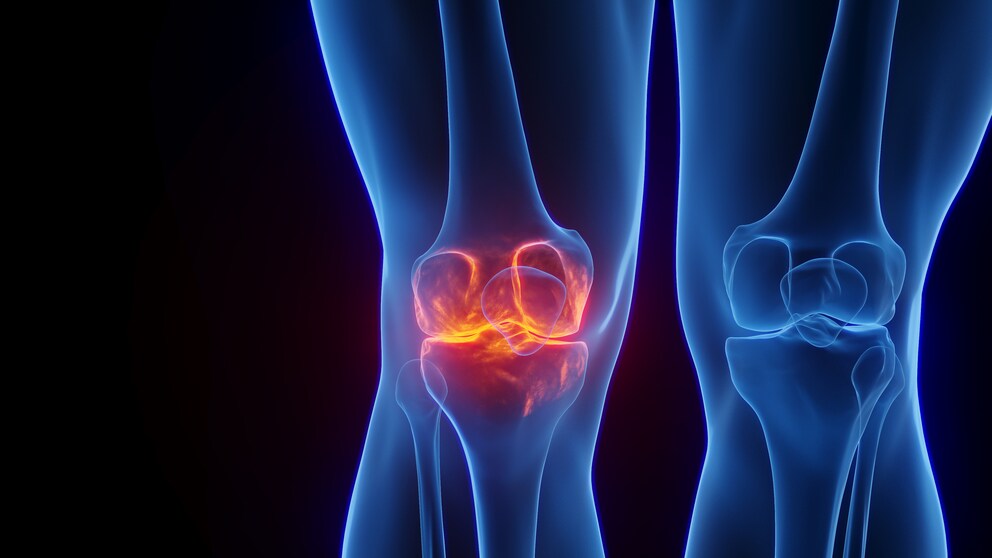
Bursitis is a painful irritation or inflammation of a bursa. Bursae are small, fluid-filled “cushions” located at high-stress points in the body, such as the shoulder, elbow, hip, or knee. Their main function is to act as shock absorbers and prevent bones, tendons, and muscles from rubbing against each other during movement.
How does inflammation occur?
Bursitis usually develops when the small cushions in the body are subjected to prolonged stress or injury. Typical triggers include repetitive movements and sustained pressure, such as those experienced during manual labor involving frequent kneeling. Direct impacts on the joint, like those occurring in sports, can also lead to inflammation. People in physically demanding jobs, such as tile setters or cleaners, are particularly at risk. However, prolonged sitting or repetitive movements at a desk can also increase the risk. In some cases, the cause is not overuse but bacteria entering the bursa through small injuries. About one-third of all bursitis cases are caused by such infections.1 Less commonly, chronic conditions like rheumatoid arthritis or gout affect the bursae and cause inflammation.
Statistically, at least one in 10,000 people per year develops bursitis in the knees and elbows. Men are particularly affected, likely because they often work in high-risk occupations.
Where can inflammation occur?
Anywhere bursae are present—there are over 150 in the human body—bursitis can occur.2 And it’s not uncommon: for example, about ten percent of the population is affected at the Achilles tendon.3 Additionally, bursitis occurs particularly frequently at the following joint locations:
- Knee joint
- Shoulder joint
- Elbow joint
- Hip joint
- Ankle joint
- Wrist
Also interesting: These sports are the most gentle on the joints
What are the symptoms of bursitis?
Bursitis usually manifests as sudden, sharp, or dull pain in the affected joint. The area is often noticeably red, swollen, and warm. Even light touches or movements can be uncomfortable, and the joint’s mobility is often restricted. Some people also feel a soft, sometimes tightly filled swelling at the inflamed site. In severe cases or with bacterial inflammation, fever and general malaise may occur. If you notice these symptoms, you should rest the joint and seek medical advice if the discomfort persists.
How the condition is diagnosed
The diagnosis of bursitis typically begins with the doctor asking detailed questions about your symptoms, medical history, and triggering activities. During the subsequent physical examination, the doctor looks for typical signs such as swelling, warmth, redness, and tenderness at the affected joint. To rule out other causes or pinpoint the source of inflammation, imaging techniques like ultrasound or, in rare cases, X-rays may be used. If a bacterial infection is suspected, a puncture is usually performed to extract fluid from the bursa for laboratory analysis. This allows for targeted treatment.
What Is the Difference Between Arthritis and Arthrosis?
Gout: Causes, Symptoms, and Prevention
Treatment
Home remedies
- Rest: Rest and minimize stress on the affected joint as much as possible.
- Cooling: Cold packs or compresses help reduce swelling and pain (never place ice directly on the skin!).
- Elevation: Elevating the joint helps reduce swelling.
- Light compression: A loose bandage can reduce additional pressure.
- Herbal preparations: Ointments or gels with arnica or anti-inflammatory ingredients are often found soothing.
For mild symptoms, these home remedies can often suffice to resolve the inflammation within a few weeks.
Medical
- Medications: Prescription of anti-inflammatory pain relievers like ibuprofen or diclofenac.
- Puncture: If necessary, fluid can be extracted from the bursa to reduce pressure.
- Antibiotics: Targeted antibiotic treatment is necessary for bacterial infections.
- Surgical intervention: In rare, severe, or chronic cases, partial or complete removal of the bursa may be required.
- Aftercare: Gradually move the joint after the inflammation subsides to prevent stiffness.
If symptoms are severe, persistent, or unusual, you should always consult a doctor.
Prevention is better than aftercare
- Regular breaks: During high-stress activities, take breaks to relax and relieve the joints.
- Avoid unilateral stress: Regularly vary body posture and movement patterns.
- Use protective aids: such as knee pads for floor work or well-cushioned athletic shoes.
- Targeted exercises: Stretching exercises strengthen muscles and relieve joints.
- React early: At the first signs of pain or overuse, take timely action and rest the joint if necessary.
By following these tips, many cases of bursitis can be effectively prevented.