


October 15, 2024, 2:16 pm | Read time: 3 minutes
In cases of chalky teeth, the composition of the enamel is disrupted, resulting in teeth with significantly softer enamel than healthy ones.1 This is a dental condition that primarily affects children and adolescents and can lead to symptoms ranging from purely cosmetic changes to acute pain, depending on the severity. The German Society for Dental, Oral, and Maxillofacial Medicine highlights the importance of researching the causes on its website, as there is still insufficient understanding of what triggers the dental changes leading to chalky teeth.2 This is also emphasized by Dr. Anne Heinz, a pediatric dentist and protagonist of our video series FITBOOK Experts.
Follow the FITBOOK channel on WhatsApp now!
Overview
»Even Two-Year-Olds Have Chalky Teeth
FITBOOK: At what age are chalky teeth most common?
Dr. Anne Heinz: “We now find chalky teeth even in baby teeth. This means there are already baby molars (baby back teeth, A. d. R.), so children who are two or three years old, showing signs of chalky teeth. Typically, however, permanent teeth are affected, specifically the front teeth and the six-year molars (molars = large back teeth, A. d. Red.). There are different severity levels–from 1 to 4. Severity level 1 is characterized by children being completely symptom-free, with only white spots on their teeth, whereas severity level 4 can be associated with severe pain. These teeth are also referred to as ‘cheesy molars.’ They are butter-soft. Theoretically, one cannot eat with them at all, and urgent treatment is necessary because it is so painful for the children.”

Dr. Anne Heinz: “Untreated diseased milk teeth can cause Turner’s tooth”
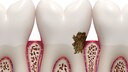
Preventing and Removing Tartar–What You Can Do Yourself
»Problems in the Gut Might Be a Cause
What are possible causes of chalky teeth?
“With chalky teeth, during the developmental phase of the tooth buds, certain minerals could not be deposited. And why this is the case is still a question today. We have been working on this for several years. Katrin Bekes from Vienna is leading the effort. She is the specialist for this in Europe. We are currently working to find out what the causes might be. There are various reasons. In many cases, there are problems with the gut, such as celiac disease or gluten intolerance. In other cases, this is not present. Therefore, much more needs to be done here.”
»Treatment Depends on the Severity of Chalky Teeth
How can the white spots be removed?
“Depending on the severity of chalky teeth, there are different treatment strategies. If it is only level 1, a mild form, then simple methods or measures can be used to mask these spots. In other cases, it may go so far that we have to remove the teeth.”
What happens if chalky teeth are not treated?
“In mild forms of chalky teeth, treatment is often not necessary. It is more about an aesthetic deficit that one tries to compensate for. In severe forms, treatment is essential because children experience severe pain, sometimes cannot eat, and cannot sleep due to the pain.”
FITBOOK Experts is our new video series where experts from medicine, science, nutrition, and sports answer questions and provide useful tips.
The protagonist of our first season is pediatric dentist Dr. Anne Heinz. In the coming weeks, you can expect more “FITBOOK Experts” episodes on exciting dental health topics:
– Orthodontics
– Teeth bleaching