

November 23, 2026, 1:05 pm | Read time: 3 minutes
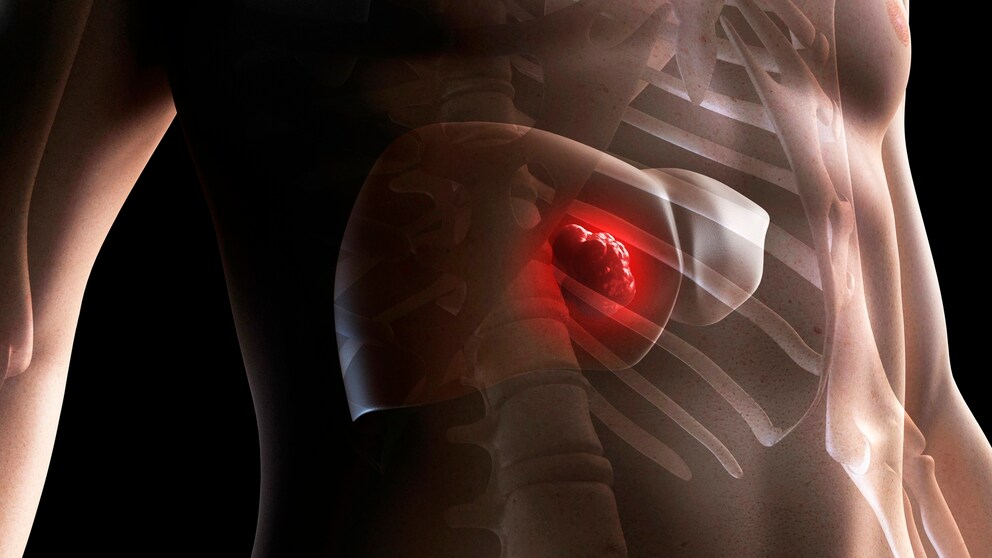
Not all fats have the same impact on our health. A new meta-analysis shows a link between the quality of fats consumed and the risk of liver cancer. Particularly, plant-based fats and saturated fatty acids showed different results.
Fat is part of a balanced diet. It provides energy, supports the absorption of fat-soluble vitamins, and fulfills important functions in the body. However, it might be worth taking a closer look at the choice of fat sources. A scientific analysis suggests that the type of fat consumed could also be linked to the risk of liver cancer.
For the study, researchers evaluated data from 14 prospective cohort studies with a total of over three million participants.1 They analyzed how different types of dietary fats are related to the occurrence of liver cancer.
Plant-Based Fats and Saturated Fatty Acids Compared
The results show different correlations: A daily increase of 20 grams of plant-based fats was associated with a 20 percent lower risk of liver cancer. Twenty grams is roughly equivalent to 1.5 to 2 tablespoons of high-quality vegetable oil. For saturated fatty acids, the opposite was observed: A daily increase of 20 grams was linked to an 18 percent higher risk.
It’s important to note: These are relative risk changes from a statistical analysis. The results do not mean that a specific amount of fat automatically changes an individual’s cancer risk accordingly.
The Total Amount of Fat Was Not Decisive
Another interesting finding: No statistically significant link was found between total fat intake and liver cancer risk. The results were clearer when researchers distinguished between different types of fats.
This suggests that the amount of fat consumed should not be the only focus. The ratio of unsaturated to saturated fatty acids could also play a role. The right balance is crucial: According to the study, those who consume more unsaturated fats instead of saturated fats achieve the most significant protective effect.
Study Finds This Diet Helps Combat Fatty Liver Disease
Is Eating Meat Good or Bad? Study Shows Age-Dependent Effects on Life Expectancy
Which Foods Contain Plant-Based Fats?
Plant-based fats are found in olive oil, canola oil, nuts, seeds, and avocados, among others. They contain varying amounts of monounsaturated and polyunsaturated fatty acids, depending on the food.
Saturated fatty acids, on the other hand, are found in butter, lard, high-fat dairy products, and certain meat products. Here, too, the overall diet and respective quantities matter.
The results provide further evidence that the quality of fats could be relevant to health. However, they are not proof that replacing certain foods can prevent liver cancer.
What the Study Cannot Prove
The analysis is based on observational studies. Therefore, no clear cause-and-effect relationship can be derived. People who consume plant-based fats more frequently may also differ in other aspects of their lifestyle from those who consume more saturated fatty acids.
Further studies are needed to determine whether a targeted replacement of saturated fats with plant-based or unsaturated fats can actually reduce the risk of liver cancer.