

September 6, 2025, 6:12 am | Read time: 3 minutes
Even the ancient Egyptians swore by goat milk, with Cleopatra reportedly bathing in it–and celebrity women like Mila Kunis and Gwyneth Paltrow are fans too. No wonder, as this animal product has long been considered revitalizing and nourishing. But is goat milk really a miracle cure for the skin?
Goat Milk Is a Vitamin Bomb
Thanks to special fats, goat milk has a strong anti-aging effect on the skin and helps prevent premature skin aging. Additionally, the milk fats have a calming and smoothing effect. Dermatologist Dr. Melanie Klijn emphasizes, “Goat milk contains significantly more vitamins than cow milk—especially a lot of vitamin A, but also vitamins C, B, and E.”
Vitamin A acts as an antioxidant, strengthens skin cells, and protects the skin from environmental influences. The vitamin is also immune-regulating and can support the skin’s natural defenses. And according to the expert, the positive effects go even further: “The component vitamin E protects the skin from free radicals and can significantly contribute to protecting the skin from cancer.” Additionally, vitamin E supplies the stratum corneum with moisture and strengthens the skin’s protective barrier, making the skin soft and supple.

Beef Tallow in Skincare–Is the Hype Justified?
Beef Tallow in Skincare–Is the Hype Justified?
Goat Milk Helps With Skin Problems
Goat milk is even used in medicine. “The provitamin B5 contained in goat milk (also known as panthenol) has anti-inflammatory and wound-healing properties. It promotes hydration, allowing dry and cracked areas to regenerate more quickly,” says Dr. Klijn. Thus, goat milk is suitable for caring for irritated skin and can even help with atopic dermatitis. The contained provitamin stimulates cell regeneration, ensuring that symptoms and skin problems heal faster.
How Is the Milk Used?
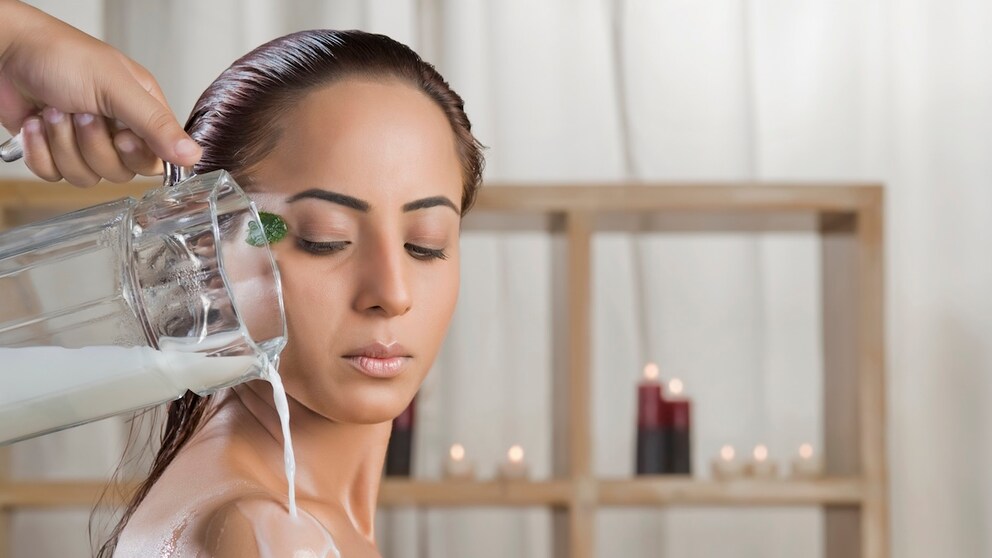
Those who want to experience the full natural power can apply goat milk directly to the skin—ideally as a cleanser applied with a cotton pad to the face in the morning and evening. There are also many creams, lotions, and shower gels that contain goat milk extracts.
When purchasing, however, it is important to ensure that the products are pH-neutral to avoid impurities. Dr. Klijn also recommends using goat milk only on dry skin: “For oily skin, there is a risk of over-oiling the skin. The skin can no longer breathe, and pimples may develop.” The option remains to drink the milk in the traditional way. The advantage: Goat milk contains fewer allergens than conventional cow milk and is rich in linoleic acid. This not only has an anti-inflammatory effect but also ensures a radiant complexion from within.