


January 7, 2026, 2:35 pm | Read time: 4 minutes
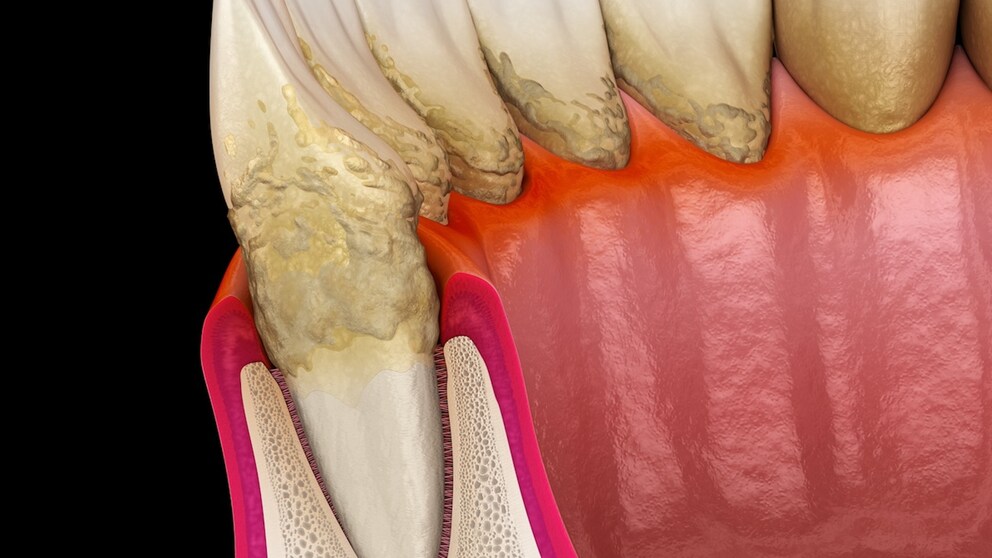
Periodontitis affects nearly every second German at some point in their life. This insidious gum disease can damage the supporting structures of teeth so severely that teeth may fall out completely. Particularly dangerous is the unnoticed process that often unfolds over years, beginning with bacteria spreading in the biofilm of the oral cavity. Researchers have now discovered a substance that specifically inhibits periodontitis pathogens before they can cause harm. The key: beneficial bacteria in the oral flora are spared. A corresponding toothpaste is already available.
New Substance Against Periodontitis from German Research
Researchers from the Fraunhofer Society at the Fraunhofer Institute for Cell Therapy and Immunology (IZI) in Halle have discovered a remedy that specifically targets only the germs that cause periodontitis. The natural balance of the oral flora is thus preserved, according to a press release.1 The substance has already been incorporated into a toothpaste designed to prevent periodontitis.
The Main Culprit in Focus: Porphyromonas gingivalis
The primary cause of many periodontitis cases is the bacterium Porphyromonas gingivalis. The new active ingredient specifically blocks mechanisms of this germ, which normally attack the gums and supporting structures of teeth by overcoming the enamel as a protective barrier when it is damaged by acids or abrasion.
The new remedy is a substance called “Guanidinoethylbenzylamino Imidazopyridine Acetate.” “It doesn’t simply kill the gingivitis pathogens but only blocks their growth,” explains Prof. Stephan Schilling, head of the Fraunhofer IZI branch for Molecular Drug Biochemistry and Therapy Development. This way, the periodontitis pathogens cannot exert their toxic effects, “and the healthy germs can occupy niches otherwise denied to them.” The active ingredient helps to gently build and maintain the composition and function of microorganisms in the mouth.
Why Traditional Antiseptics Often Worsen the Problem
This “gentle” approach is new. Traditional oral care with chlorhexidine-containing antiseptics kills periodontitis pathogens but also damages the beneficial bacteria of the oral flora. This is a vicious cycle, as healthy germs only regrow slowly, making it easy for periodontitis to recur.
To bring the active ingredient to market as toothpaste, Fraunhofer researchers founded the company “Periotrap Pharmaceuticals” in 2018. “Periotrap” is also the name of the toothpaste now available. Prof. Stephan Schilling enthuses: “We didn’t just develop a good toothpaste with a new substance but a high-quality dental care product of medical quality.”
Who the New Toothpaste Is Intended For—and Its Cost
The new toothpaste is specifically aimed at people with sensitive gums and an increased risk of periodontitis. Like regular toothpaste, it also contains “cleaning agents and fluoride to prevent cavities,” explains Dr. Mirko Buchholz, one of the founders of Periotrap. The fluoride strengthens the enamel and protects against acid attacks. Another active ingredient, bisabolol, is intended to support irritated gums and reduce inflammatory reactions. The application does not differ from conventional toothpastes, according to the website. The toothpaste is intended for adults, costing around 15 euros.2
Periodontitis as a Risk for Heart and Brain
The often-unnoticed periodontitis process that unfolds over the years is dangerous. Studies show that this insidious gum disease not only wreaks havoc in the mouth but can also trigger other dangerous side effects in the body. Due to the chronic inflammation of the gums and exposed tooth roots, harmful bacteria from the oral cavity can more easily enter the bloodstream or lungs, damaging other organs. Research indicates a connection between periodontitis and atherosclerosis as well as dementia.3

How Often Should You Brush Your Teeth?

9 Foods That Are Good for Your Teeth
Causes of Periodontitis
Periodontitis germs, along with components of saliva and food residues, form dental plaque. If plaque remains on the teeth for an extended period or is not thoroughly removed, the bacteria within it begin to produce acids and toxins. These can trigger gum inflammation (gingivitis), which, if untreated, can expand to inflammation of the entire supporting structures of teeth (periodontitis).
Signs of Periodontitis
Periodontitis is a widespread disease. The German Oral Health Study from 2014 shows that about every second adult German over the age of 35 has periodontitis.4 In middle age, around eight percent of people are diagnosed with a severe stage, and among seniors over 65, it is nearly 20 percent.
It is important to recognize the signs of periodontitis in its early stages to treat it accordingly. The following symptoms can occur together or individually and indicate gum disease:
- Bad breath
- Bleeding gums
- Red or swollen gums
- Exposed tooth roots
- Loose teeth
However, it should be noted that these symptoms can also have other causes. Bad breath can, for example, result from stomach issues, bleeding gums from pressing too hard while brushing, and loose teeth from severe vitamin and mineral deficiencies.