

October 25, 2026, 4:43 pm | Read time: 4 minutes
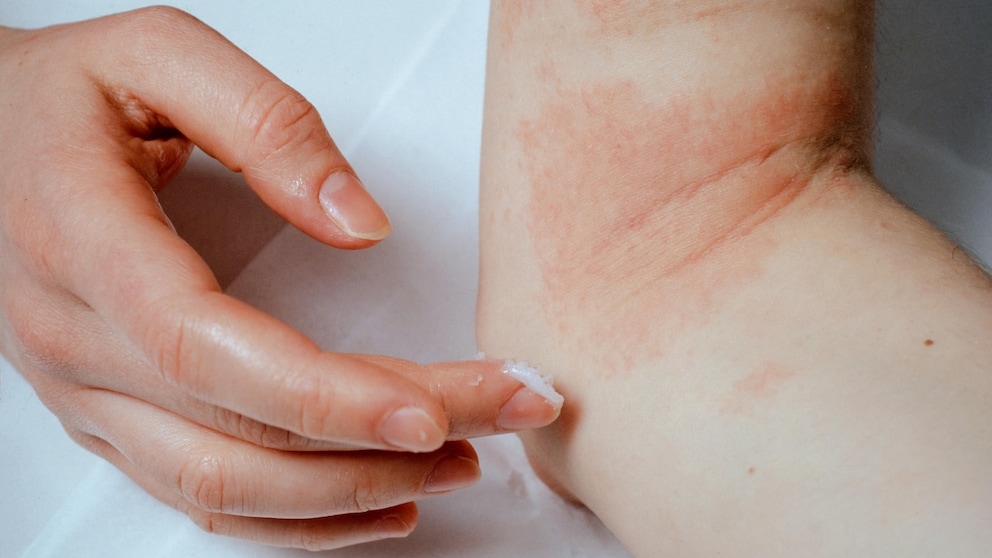
It protects us around the clock, wards off pathogens, and repairs itself. Yet many people only pay attention to their skin when it itches, feels tight, or visibly changes. Especially in the cold season, those affected by atopic dermatitis often experience a worsening of their symptoms. But what exactly happens in the skin? And what measures can alleviate the often tormenting itch? There is hope for those affected in the form of new therapies.
The Skin Often Reveals More About Our Health Than We Think
With up to two square meters of surface area and a weight of about four kilograms, the skin is the largest organ of the human body. At the same time, it is an important indicator of health. Pale skin can indicate anemia, while yellowish discolorations can point to liver diseases. Severe itching or pronounced dryness can also be early signs of metabolic disorders.
However, the skin can also become diseased itself. Among the most common skin diseases are atopic dermatitis, psoriasis, and acne. Additionally, skin cancer requires regular check-ups and attention to new or changed skin spots.
Atopic Dermatitis: When the Skin Barrier Doesn’t Function Properly
In Germany alone, about 3.5 million people live with atopic dermatitis, including around 1.5 million children and adolescents.1 The condition involves two main issues: the immune system overreacts to stimuli, and there is an inherent defect in the skin barrier. As a result, the skin loses more moisture than usual, becoming dry, cracked, and more prone to inflammation.
Typical Symptoms Include:
- severe itching
- reddened skin areas
- oozing or scaly eczema
- tightness of the skin
- sleep disturbances due to nighttime scratching
Especially in fall and winter, symptoms often worsen. Cold outdoor air, dry indoor heating, and frequent temperature changes further stress the already damaged skin.
Why Itching Can Be So Distressing
Itching is one of the most severe symptoms for many people with skin conditions. The problem: scratching often provides only temporary relief. In the long run, it worsens the situation. The skin becomes further damaged, inflammation increases, and a vicious cycle of itching and scratching ensues.
Experts Therefore Recommend:
- regularly moisturizing the skin
- taking short, lukewarm showers
- using gentle, fragrance-free skincare products
- wearing loose cotton clothing instead of scratchy fabrics
- keeping fingernails short
- avoiding known triggers as much as possible
Causes, Symptoms and Treatment of Atopic Dermatitis in Children

Itchy Armpits Can Indicate These Cancers
Major Developments: Modern Therapies for Atopic Dermatitis
For many years, cortisone was considered the primary treatment for atopic dermatitis. According to Prof. Matthias Augustin, director of the Institute for Health Services Research in Dermatology at UKE Hamburg, almost 90 percent of patients treated externally still receive cortisone. However, much has changed in the medical treatment of atopic dermatitis in recent years, offering new options for doctors and patients.
Immunotherapies
There are now significantly more options available, including modern immunotherapies that specifically interrupt inflammatory processes and can also significantly reduce itching. However, many affected individuals do not receive these treatments because they never visit a specialized dermatologist or are unaware of modern therapies.
Nemolizumab
The treatment of atopic dermatitis has advanced significantly in recent years. One example is the active ingredient Nemolizumab. “This adds something that can still help or has a chance to help when other remedies no longer work,” explained Prof. Augustin at the BILD Prevention Summit.
JAK Inhibitors
Another important option is the so-called Janus kinase inhibitors (JAK inhibitors). They block certain inflammatory messengers in the immune system and can effectively reduce symptoms. After safety concerns caused some uncertainty, the expert now evaluates their use much more positively: “We have now seen that these medications are very safe when used properly and can be widely used for atopic dermatitis.”
Additionally, a new JAK inhibitor for topical application is now available. This marks the first significant innovation in topical atopic dermatitis therapy in about 24 years.
How Those Affected Can Prevent Flare-Ups
A cure for atopic dermatitis is not yet possible. However, much can be done to prevent symptoms and stabilize the skin barrier.
This includes:
- daily moisturizing care
- consistent treatment of inflammation
- avoiding known triggers
- protection from cold air and dry indoor heating
- stress reduction
- early treatment of infections
Especially for children with a family history, consistent skincare can help strengthen the sensitive skin barrier and reduce flare-ups. Now, as temperatures drop and heating systems are back on, this basic care becomes particularly important.