

November 2, 2025, 6:45 am | Read time: 3 minutes
The muscles no longer respond as you want: Many people who have survived a stroke suffer from spastic movement disorders. What this means for daily life—and what can help.
Spastic Movement Disorder Common After Stroke
After a stroke, your body often doesn’t behave as it did before. A common consequence is spastic movement disorders. This means the muscles suddenly cramp or stiffen, they are under strong tension, and they hurt. Which muscles are affected and how they behave can vary greatly from patient to patient.
The problem: Such a spastic movement disorder develops gradually, appearing weeks or even months after the stroke. “Affected individuals and their families are often left to fend for themselves, with help coming late or not at all,” says Liz Mohn, president of the German Stroke Foundation, in a patient guide from the foundation. This makes education, early follow-up care, and better networking among doctors, therapists, and family members all the more important.
Signs You Should Know
A stroke can cause damage to the central nervous system, affecting muscles and their mobility. If you repeatedly experience stiffness, pain, or movement restrictions in your arms and legs, you should have it medically evaluated. This is advised by the German Stroke Foundation.
It’s best not only to involve your primary care doctor but also to consult a neurology specialist. A clinic for movement disorders at a hospital can also be a point of contact, if available nearby.
Untreated Spasticity Can Cause More Pain Over Time
Waiting to see if it gets better on its own is not a good idea. If spasticity is not treated, muscles can shorten over time, according to the German Stroke Foundation. And that means: even less range of motion and more pain.
Parkinson’s: Causes, Symptoms, and Disease Progression
What Is the Difference Between Arthritis and Arthrosis?
Challenges of Living with Spasticity
Washing hands, going for a walk, putting on pants: Many everyday activities become difficult with spasticity. Additionally, the pain affects quality of life, and often the psyche suffers as well. When your muscles no longer function as usual, it often leads to frustration and reduced self-esteem. This can result in depressive symptoms.
Available Treatment Options
While spasticity is not curable, it is, according to the German Stroke Foundation, treatable. Relief can particularly come from a combination of these three approaches:
- Medication treatment: Drugs that reduce muscle tension, such as Baclofen, Tizanidine, or Dantrolene, are used. The therapy should be closely monitored by a doctor, as the medications can have side effects like dizziness or severe fatigue.
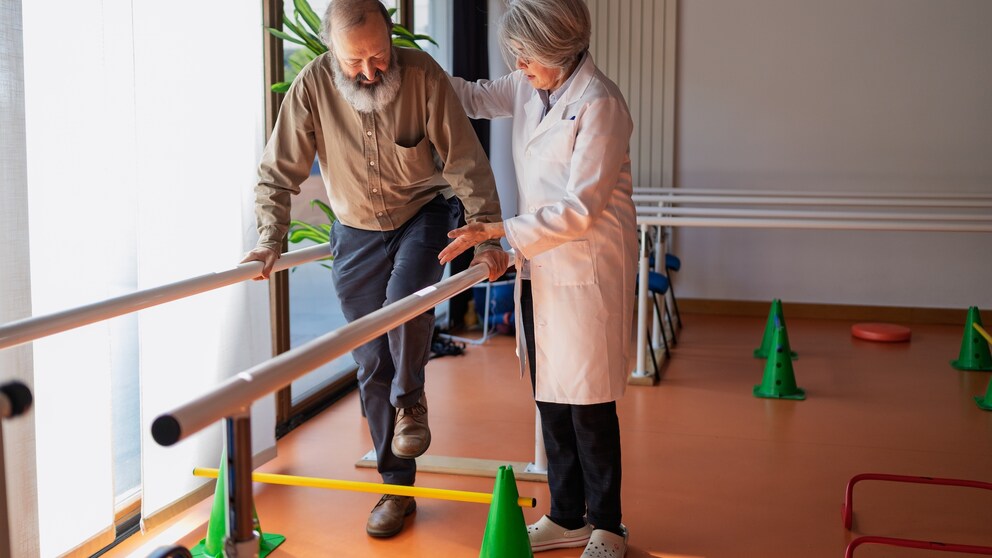
- Physical and occupational therapy: In physical therapy, affected muscles are strengthened, stretched, and mobilized. In occupational therapy, patients learn how to better manage daily tasks like dressing, eating, or writing.
- Individually adapted aids. Examples include orthoses that encase certain body parts, such as those that position the wrist to facilitate gripping. Other examples are insoles or special shoes that reduce the risk of tripping and provide more security when walking.
Conclusion
Because spasticity often develops weeks or months after a stroke, it remains unnoticed by many for a long time, making access to timely help difficult. Typical signs are stiffness, pain, and limited mobility in arms or legs. It’s important to seek medical help early—ideally from a primary care doctor, neurologist, or a clinic for movement disorders. If spasticity is not treated, muscles can shorten, further worsening mobility.