

October 29, 2026, 9:22 am | Read time: 3 minutes
Until now, the Shamonda virus was known only in animal health. However, in early October, a human infection with a severely weakened immune system was detected in France for the first time worldwide, and it was fatal. Since then, the virus has gained more attention. FITBOOK uses the case as an opportunity to provide an overview of the virus and assess the actual risk to humans.
Follow the FITBOOK channel on WhatsApp now!
What Is the Shamonda Virus?
The virus was first described in Nigeria in the mid-1960s.1 Since then, it has primarily appeared in Africa, Asia, and Australia. The pathogen has now also been detected in Europe, including Germany. After initial cases of a variant were identified in southern Germany, France, and Switzerland in the summer of 2026, researchers in September found a second variant in cattle samples from North Rhine-Westphalia, Lower Saxony, Hesse, and Thuringia.2
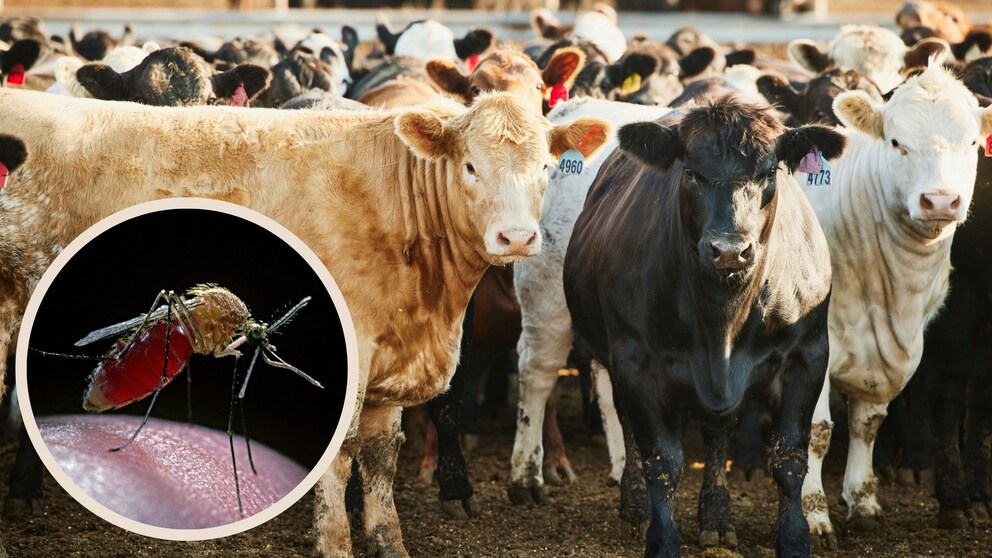
The virus is transmitted by so-called biting midges. These are small blood-sucking insects that are even smaller than mosquitoes and grow only up to three millimeters in size. Additionally, an infection can be transmitted from an infected mother animal to the unborn fetus via the placenta. Direct transmission from animal to animal has not been proven, according to the Federal Research Institute for Animal Health.3 There is currently no vaccine against the virus.
What Is the Bornavirus and How Dangerous Is It?
WHO Warns of Chikungunya Fever: These Are the Symptoms
Transmission to Humans
Since summer, infections with the Shamonda virus have also been detected in French cattle. On October 22, the responsible French ministry announced that at the beginning of the month, a man died in a hospital in Lyon in connection with the virus.4 The man reportedly suffered from a severe immune deficiency and was being treated for this serious underlying condition. Before his death, brain-related complications were noted, which are very likely linked to the Shamonda virus infection. The ministry also suspects the infection was transmitted through a midge bite in eastern France.
This case is the first confirmed instance of a human infection with the virus worldwide. Investigations are ongoing. In addition to official reports to the relevant international organizations, a series of tests has been initiated in Germany to proactively test blood samples from people for Shamonda antibodies.5
It is important to note: Both French and German authorities emphasize that there is no danger to the general population. The official French statement reads: “According to current knowledge, there is no health risk to the general population.” The “Friedrich-Loeffler-Institut” (Federal Research Institute for Animal Health) also clarifies: “So far, there are no further indications of a health threat to the general population.”
What Happens to Infected Animals?
The virus varies depending on the animal species. It has been detected in cattle, sheep, goats, horses, and alpacas. However, the Friedrich-Loeffler-Institut mentions that infections in other ruminants and mammals are conceivable.
Adult Cattle and Other Ruminants
The disease is mild to moderate and usually subsides after a few days. Typical acute symptoms in herds include:
- Acute fever
- Watery diarrhea
- Sudden, significant drop in milk production in cows
Pregnant Animals
There is indeed a risk for unborn offspring. As mentioned earlier, the virus can be transmitted from the mother to the fetus. If this occurs, it can lead to miscarriages and stillbirths.
Special Case in Horses
In horses, according to the Friedrich-Loeffler-Institut, severe cases have been observed, contrary to the symptoms seen in ruminants:
- Affected horses showed neurological disorders.
- After their death, high viral loads were found in the brain, indicating the infection as the cause of death.