




September 17, 2026, 7:57 am | Read time: 3 minutes
Abdominal pain, bloating, or diarrhea are often attributed to stress or poor diet. However, these symptoms can also be caused by a disrupted intestinal barrier. Gastroenterologist and author Prof. Dr. Martin Storr, who recently published the book “Intestinal Mucosa–The Unknown Superpower”, highlights this in a conversation with FITBOOK Editor-in-Chief Nuno Alves.
The intestinal mucosa lines the inside of the intestine and performs several functions. It facilitates the absorption of nutrients and water. At the same time, it forms an important protective layer between the body and the intestinal contents, which include not only food but also bacteria, potential pathogens, and other foreign substances. “The intestinal mucosa is much more than just a lining of the intestine. It forms a highly active interface between our body and the outside world, protecting us from potentially harmful influences,” Storr explains.
Common Symptoms in Everyday Life
The intestinal mucosa is part of the intestinal barrier. This protective system also includes the mucus layer on the intestinal surface, the gut microbiome, and a portion of the immune system located in the gut. Together, they regulate which substances are allowed to enter the body and which are repelled.
If this system is disrupted, various symptoms can occur, according to Storr. Common ones include
- abdominal pain,
- bloating,
- diarrhea, and
- irregular bowel movements.
Depending on the cause, weight loss, fatigue, or nutrient deficiencies may also occur. However, the physician emphasizes: “Nonspecific symptoms alone do not allow any conclusions about the condition of the intestinal mucosa.”
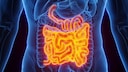
Not Just Bacteria: The Overlooked Factor for a Healthy Gut
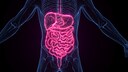
Symptoms Indicating Leaky Gut Syndrome–and Potential Subsequent Diseases
What Is Known About the Intestinal Barrier
A detectable disruption of the intestinal barrier is found in diseases such as celiac disease or chronic inflammatory bowel diseases. There is also evidence that the intestinal barrier may play a role in irritable bowel syndrome. “This connection is being intensively researched,” says Storr.
The term “leaky gut” is often mentioned in this context. However, according to the expert, this term often falls short because the intestinal barrier is a complex system. Increasingly, the mucus layer is also coming into focus in research.
The Intestine Can Recover
The expert’s good news: “The intestinal mucosa has a remarkable ability to regenerate.” According to Storr, the mucosal cells renew themselves within a few days. However, it is crucial to identify the cause of a disruption and restore the entire intestinal barrier. A fiber-rich diet can indirectly help because gut bacteria produce short-chain fatty acids like butyrate from it. According to Storr, there is currently no convincing scientific evidence that over-the-counter probiotic supplements can specifically repair the intestinal mucosa. “Researchers are currently placing greater hopes on so-called postbiotics, whose influence on the intestinal barrier is being intensively studied.”
Transparency note: This article contains affiliate links. This means that FITBOOK receives a commission for purchases made through them. However, this has no influence on the selection. Editorial independence remains unaffected.