

June 12, 2026, 6:19 pm | Read time: 4 minutes
Weight loss injections have experienced a real boom in recent years. More and more companies have brought such medications to market. However, until now, weight reduction products have only been available as injections in Germany—not as tablets or pills. But that could change: weight loss pills could soon be approved in the EU. FITBOOK also consulted nutritionist Prof. Dr. Hans Hauner from the Technical University of Munich on this matter.
Weight Loss Pill Could Soon Arrive
First of all, GLP-1 tablets—medications that can curb appetite and aid in weight loss—are already available in Germany. However, they are primarily used to treat type 2 diabetes. Weight reduction medications, on the other hand, have so far only been available in injection form and are approved for the treatment of overweight and obesity.
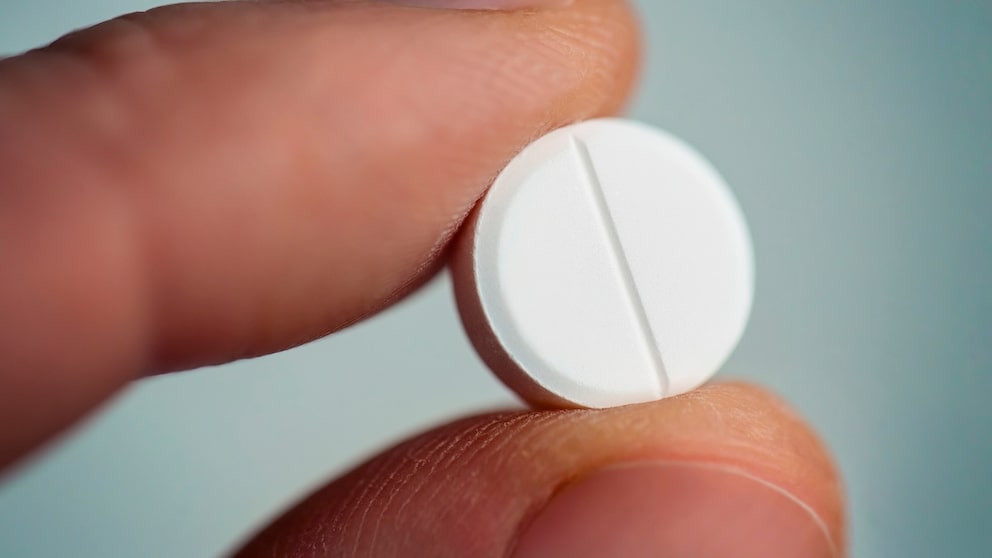
Among the best-known weight reduction medications in Germany are Wegovy with the active ingredient semaglutide, Mounjaro with tirzepatide, and Saxenda with liraglutide. The European Medicines Agency (EMA) recently recommended an extension of the EU approval for the Wegovy tablet. This would allow an oral form of the medication, meaning it could be taken as a tablet. If the European Commission agrees to the proposal, which is expected, Wegovy would be the first GLP-1 medication for weight reduction available as a tablet in the EU. In the U.S., the tablets have been available since early 2026.
For Prof. Dr. Hans Hauner, the new form of administration is less of a therapeutic breakthrough and more of an additional option: “The Wegovy tablet is primarily an alternative to the injection, although not quite as effective.”
BILD (like FITBOOK, part of Axel Springer) had already reported on the Wegovy tablets in advance. In addition to information on costs and availability, a patient from the U.S. who is already taking the medication shared her experiences.
How Tablets and Injections Differ in Use
At first glance, the introduction of the Wegovy tablet sounds appealing: after all, taking prescription tablets daily might be more pleasant for many people than regularly injecting a syringe. However, the application is not quite so straightforward. The tablets must be taken once daily on an empty stomach, after at least eight hours of fasting. Users must then wait another 30 minutes before eating, drinking, or taking other medications. The injection, on the other hand, is administered only once a week and is less bound by such requirements.
The tablets are also to be approved exclusively for adults, meaning those 18 and older, with obesity or overweight and at least one weight-related comorbidity. The injections, however, are already approved for those as young as 12. Like the injections, the tablets should only be used in combination with a calorie-reduced diet and increased physical activity.

Ralph Siegel Loses 36 Kilograms — What Studies Say about Wegovy and Similar Drugs
New Diet Pill Shows Similar Effects to Ozempic
Keeping Routine in Mind
In everyday life, it may become apparent whether the tablet is truly the more convenient alternative. While the Wegovy injection is used only once a week, the tablet form requires daily intake. This means the treatment is more closely tied to fixed routines and regular schedules. For the therapy to be successful, it is crucial to take the medication consistently and correctly.
Prof. Dr. Hauner also points this out: “The Wegovy tablet must be taken exactly as prescribed for it to be effective. The tablets must be taken at least somewhat regularly and consistently, or no treatment success can be expected.”
Those who frequently forget or handle the intake irregularly may risk a reduction in effectiveness.
Not Free from Side Effects
Patients should also keep potential side effects in mind. Like the injection, the tablet form can cause gastrointestinal issues. The most common unwanted effects include nausea, diarrhea, constipation, abdominal pain, digestive disorders, and vomiting.
Regardless of whether the treatment is via injection or tablet, experts emphasize that medications alone do not provide a sustainable solution. “These medications should be seen more as support for weight loss; the focus should always be on changing diet and increasing physical activity,” says Prof. Dr. Hauner. Lifestyle measures are the most sensible foundation of therapy, cost-free and free from medication side effects.