

April 25, 2019, 10:15 am | Read time: 3 minutes
Most people have probably seen organic products with the “Demeter” label. But what many might not know: All food items–such as cheese, meat, fruits, vegetables, jams, and more–as well as clothing made from Demeter yarn come from “biodynamic” agriculture. What exactly does that mean–and what role do cow horns play? FITBOOK visited a Demeter farm and got fascinating answers in a conversation with a master farmer.
Awareness of organic farming is growing. To avoid supporting factory farming and to protect themselves from food contaminated with pesticides and chemicals, more and more people are shopping at organic stores. Some of these stores carry Demeter products. And the fact that they stand out in some way from other farming associations has something to do with the Austrian philosopher and educator Rudolf Steiner (†1925)…
FITBOOK visited Demeter on site
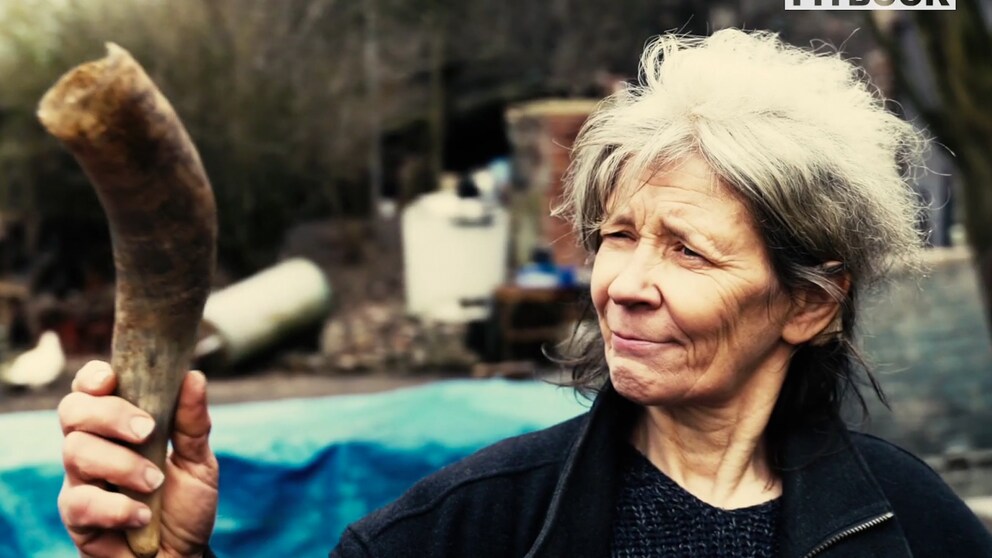
FITBOOK visited a Demeter farm in Brandenburg, specifically the Schwalbennest farm, which the Bressel family has run since 2004. Here, pigs, cattle, and lambs are raised, producing raw milk products as well as meat and sausage products, but also socks and similar yarn products. The fruits and vegetables grown here are partly processed into fruit juices and jams. Martina Bressel explains exactly how the processes work–with “biodynamic farming,” a concept founded by Rudolf Steiner as part of a spiritual-esoteric worldview he promoted.
Never miss a FITBOOK topic–subscribe to our newsletter here!
Are Brown Eggs Actually Healthier Than White Ones?

Is the Risk of a Bird Flu Pandemic Increasing? This Is What an Expert Says
What “biodynamic agriculture” means
Biodynamic agriculture has existed since 1924–”a time when farmers noticed that food no longer had the same quality and did not nourish people as it used to,” reports Bressel. She describes the Demeter farming method as the most demanding, developed from that crisis. It operates as a closed farm cycle, strictly avoiding the use of mineral fertilizers and pesticides. Instead, the Bressel family and other Demeter farms work with what the natural presence of animals on the farm provides. This includes specially prepared materials from animal organs.
Also interesting: Stricter controls for organic food
Of cow horns and manure: the Demeter preparations
Bressel talks about crushed silicon (such as from pebbles) as a fertilizer and various medicinal plants like yarrow and nettle, which in processed form are supposed to ensure greater crop yields. One example: animal intestines filled with chamomile. Such “biodynamic preparations” are partly buried in the ground or matured by sunlight on the soil to release their nutrients into it. The most well-known of these traditions is probably the one involving the cow horn.
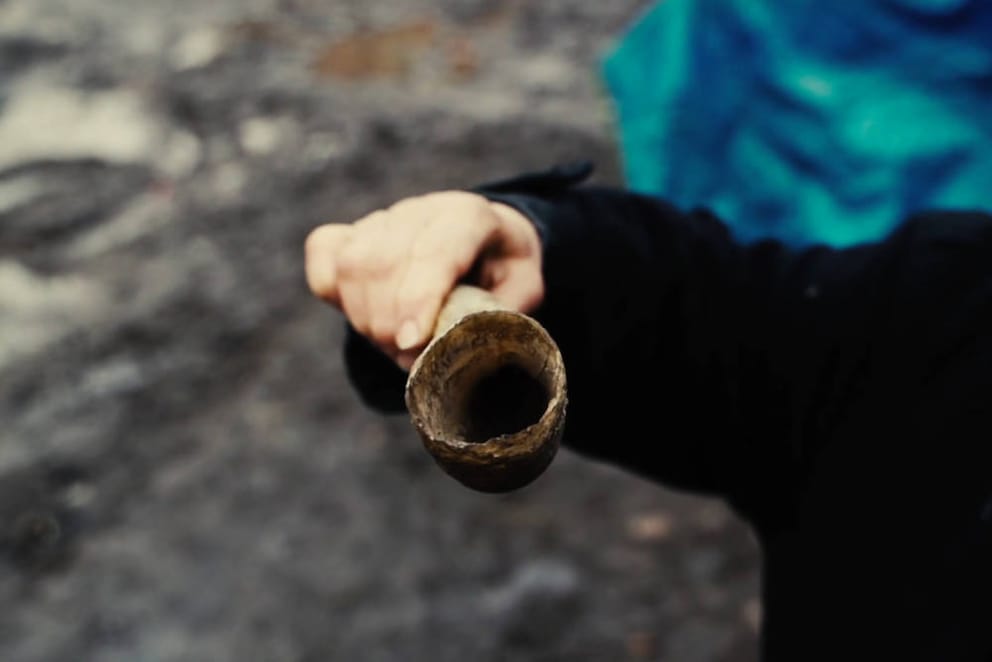
According to Demeter employees, all digestive forces are stored in the extensions of cows’ frontal sinuses. Therefore, the horns are filled with manure and left to overwinter in the ground, after which the concentrated “horn manure substance” is stirred into water for an hour (!) and then sprayed over the soil. This is supposed to promote sprouting!
Whether and to what extent such biodynamic measures affect the quality of Demeter food is something each consumer can judge for themselves. Even more enlightening would be a visit to the farm, which is open to anyone interested. We, for example, were in Brodowin (find the address here). A preview of what to expect can be seen in the video above.