


May 12, 2026, 5:55 am | Read time: 8 minutes
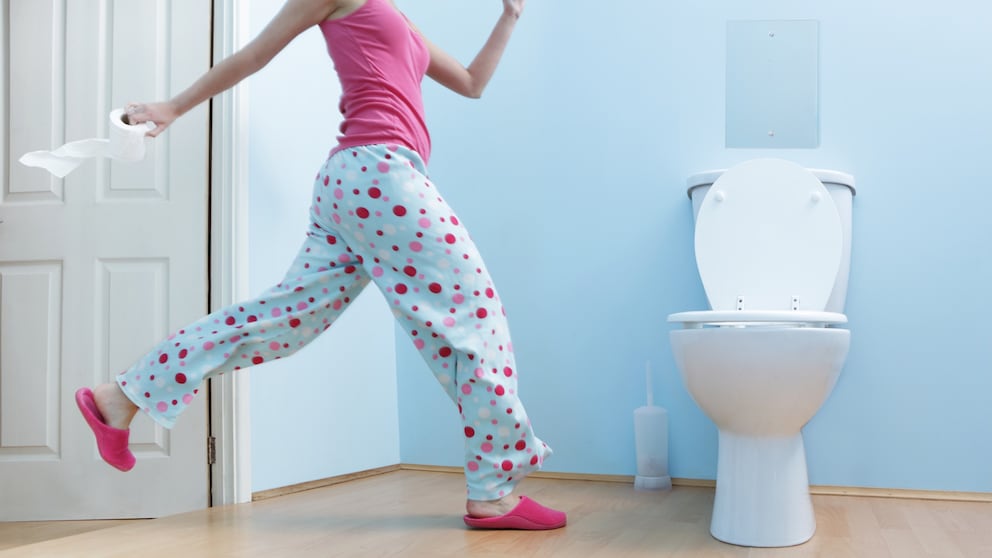
Constant urge to urinate—and a daily life revolving around the question: Where is the nearest toilet? For many women, especially during perimenopause and menopause, an overactive bladder is a significant burden. Why it’s a good sign if there’s peace at night, what common misconception exists about constant urination, and what the checklist for a relaxed daily life with an overactive bladder looks like, Dr. Heidi Gößlinghoff explains at FITBOOK.
What Exactly Is an Overactive Bladder?
With an overactive bladder, the bladder signals “full” even though it objectively isn’t. “The issue is extremely common,” says Dr. Heidi Gößlinghoff to FITBOOK. According to the gynecologist, about 10 to 20 percent of women are affected. During menopause, even more so. In her experience, many women are hesitant to discuss the issue. Additionally, an overactive bladder is often considered “normal.”
When Is It “Too Much”?
As a rough guideline, more than about eight trips to the bathroom per day are considered excessive, according to the doctor, although fluid intake and daily life restrictions are also crucial. If you don’t have to get up at night, it suggests functional causes (stress, habit) rather than organic problems.
Causes and Risk Factors
- Hormones and Life Stages: Particularly perimenopause and menopause (declining estrogen levels) play a significant role.
- Physical Strain: Vaginal births and pelvic floor issues.
- Psychosomatics: Stress, lack of sleep, and constant nervous system tension.
- Learned Habit
The “Trained” Overactive Bladder is more common than thought, according to Heidi Gößlinghoff: “If someone always goes ‘just in case,’ even though the bladder isn’t full, the bladder learns over time: small amounts equal alarm. This creates a vicious cycle of control, attention, and increasing urge to urinate.” Stress further exacerbates this.
In addition to physical reasons, there are also external triggers that can directly irritate the bladder and fuel the urge. These include coffee, alcohol, cola, energy drinks, or spicy food. Smoking is also considered a possible trigger for an overactive bladder, according to Heidi Gößlinghoff.
Widespread Misconception About the Pelvic Floor
A common misconception is that bladder problems are always due to a “weak” pelvic floor that needs training, the gynecologist clarifies. She points to a frequently overlooked cause: the chronically tense pelvic floor. “Many women with constant inner tension don’t have a ‘weak’ but a chronically tense pelvic floor. This can also trigger the urge to urinate. Especially performance-oriented women have this surprisingly often,” says Gößlinghoff. In this case, it’s not strength training that’s needed, but targeted relaxation to end the tissue’s “alarm state.”
Diagnosis: Ensuring Nothing Else Is Behind It
Necessary examinations include urine status, ultrasound, gynecological examination, and a bladder diary.
Important: Frequent urination alone is not enough for a diagnosis. “An overactive bladder is always a diagnosis of exclusion,” says the doctor. Specific conditions the expert cites as causes of frequent urination include:
- Urinary tract infection
- Diabetes
- Large fluid intake
- Medications like diuretics
- Bladder stones
- Bladder prolapse
- Neurological disorders
- Tumors
- Endometriosis
- Chronic inflammations
Nighttime Rest as a Decisive Criterion
If a person frequently visits the bathroom during the day (for example, 15 times) but can sleep through the night without issues, this is an important clinical indication, according to Heidi Gößlinghoff. The doctor considers a quiet night as evidence that functional factors are more likely to be the main contributors. “The fact that there’s peace at night suggests that the bladder can fundamentally store and that stress, habit, or daytime behavior might play a role.”
Important Warning Signs that should be medically clarified, according to Heidi Gößlinghoff: blood in urine, pain, recurring infections, severe nighttime symptoms, sudden deterioration, neurological symptoms, large urine volumes, thirst, incontinence combined with voiding disorders.
Therapy and Self-Help
The good news upfront: A stress-driven, functional overactive bladder can significantly improve with targeted measures. The key is to break the vicious cycle of constant control and physical alertness. The following measures aim to regain control over daily life so that the focus no longer has to be on finding the next “toilet route.”
Assessing the Chances of Recovery: Whether recovery is possible depends greatly on what’s behind the overactive bladder. While a neurological cause cannot simply be cured through training, the prognosis for functional complaints is different. In many cases, it’s primarily about controlling symptoms and significantly improving daily life, rather than completely “making the problem disappear.” Especially with a “stress-driven functional overactive bladder”—indicated by nighttime peace—the chances are very good, according to Heidi Gößlinghoff, that the condition will significantly improve with the mentioned measures.
1. Bladder Training
Bladder training doesn’t mean forbidding yourself from going to the bathroom in pain. It’s more about retraining the bladder to tolerate normal amounts.
- The first step: Keep a bladder diary for two to three days. It often provides more insights than any gut feeling and shows in black and white whether you’re really only releasing small amounts.
- Extend intervals: Based on your average values, slowly increase the intervals—for example, from 45 to 60 minutes.
- Intercept the urge: When the sudden urge hits, try to bridge it with conscious breathing, relaxation, and distraction instead of immediately giving in.
- Stop “just in case” trips: Constantly going without a real urge trains your bladder to sound the alarm at the smallest amounts.
2. Lifestyle Adjustments
Not every woman reacts the same, but certain indulgences can irritate the bladder.
- Critically assess your coffee consumption. Dr. Gößlinghoff recommends testing to reduce the amount for one to two weeks. Often, abstaining becomes easier when you notice that bathroom visits become less frequent.
- The expert warns against drinking constantly “just because you should,” as some women drink more than necessary.
- In addition to coffee and alcohol, nicotine consumption should also be critically questioned, as smoking can further irritate the bladder.
3. Small Behavioral Changes in Daily Life
Small behavioral changes can noticeably relieve the nervous system and the bladder.
- No straining: Take your time. The bladder should not be “emptied by force” but relaxedly emptied.
- Intestinal care: Treat constipation consistently. A full bowel can mechanically irritate the bladder.
- Drink management: Don’t drink constantly, just “because you should.” Avoid large amounts, especially in the evening, to protect nighttime rest.
- Exercise and sleep: Regular walking and sufficient sleep calm the autonomic nervous system and reduce sensitivity to stimuli.
4. Medicinal Options and Hormones
If self-help alone is not enough, medicine offers effective support. Classic medications slow down the overactive muscles or relax receptors, increasing storage capacity and reducing the urge. Such “bladder relaxants” can help, but may also have unpleasant side effects. Heidi Gößlinghoff lists them as:
- Dry mouth
- Constipation
- Dry eyes
- Fatigue
- Sometimes palpitations or increased blood pressure
Especially during menopause, vaginal estrogen therapy is often “surprisingly effective” as it stabilizes mucous membranes and tissues.
5. What If Basic Therapy Isn’t Enough?
For stubborn cases, specialized procedures are available.
- Botulinum toxin: An injection directly into the bladder can dampen overactivity.
- Nerve stimulation: Targeted electrical impulses can regulate bladder function.
- Specialized pelvic floor therapy: This often isn’t about strengthening but about releasing chronic tensions that can trigger the urge to urinate.

What It Can Say About Your Health if You Need to Use the Bathroom Twice a Night

Training That Can Improve Sex in Older Age
The Psychological Aspect
A crucial key in dealing with an overactive bladder is understanding that the bladder is much more than just an organ for storing urine. “The bladder is not just an organ but is extremely closely linked to the stress axis and attention,” emphasizes psychotherapist Heidi Goesslinghoff.
Many affected individuals develop constant internal monitoring and continually ask themselves questions like: “Do I need to go again?” or “Where is the nearest toilet?” This control behavior and planning outings along a “toilet route” significantly increase the focus on the bladder. Over time, the bladder learns: “small amounts = alarm.” A veritable vicious cycle of attention, control, and urge to urinate develops, further intensified by stress.
To break this cycle, the focus should be on relaxing the entire system. A healthy approach to the bladder often requires a holistic view of lifestyle.
Checklist for a Relaxed Daily Life
- Consciously divert focus away from the bladder and stop “precautionary” trips.
- Gently extend intervals not through pain but through breathing and distraction.
- Don’t ban coffee consumption, but critically assess it for two weeks.
- Understand stress, sleep quality, and gut health as part of bladder care.
Dr. Gößlinghoff emphasizes that the most important point is not to try to control the bladder all day. If the bladder is calm at night, it’s the best confirmation that these daily tips (like stress reduction and behavior training) can really work, as the organ can fundamentally store.