


July 31, 2025, 8:59 am | Read time: 8 minutes
The phase of life before menopause involves much more than just hot flashes and mood swings. The female body undergoes significant changes during menopause, and the hormonal shift is also noticeable in the intimate area, specifically in the vagina. Dr. Heidi Gößlinghoff, a gynecologist and online consultant for women and couples with unfulfilled desires for children, explains in FITBOOK, “When you know what’s happening in your body, you can actively do something for your well-being.”
Menopause (medically known as climacteric) refers to the phase of hormonal transition in the female body. More precisely, it is the natural transition from the fertile phase to menopause (the last menstrual period) and beyond.
Follow the FITBOOK channel on WhatsApp now!
When Does Menopause Begin?
Typically, menopause begins between the ages of 45 and 55, although it can start earlier or later for some women. “You should know that it is not a sudden change but a multi-year process with very different stages and symptoms,” clarifies Dr. Gößlinghoff.

Are Menopause and Menopause the Same?
“Menopause and menopause are not exactly the same, even though the terms are often used interchangeably. Menopause refers to the entire hormonal transition in midlife, while menopause strictly marks the time of the last menstrual period. From then on, the fertile phase in a woman’s life ends. The term menopause comes from Greek and literally means ‘end of the months,'” explains Dr. Gößlinghoff.
Also interesting: Rebecca Barthel: “This is the training women should focus on during menopause”
What Happens in the Body During Menopause?
1. Phase: Perimenopause – Before Menopause
This phase often begins unnoticed but can start as early as the mid-40s or earlier. The ovaries produce less estrogen, the hormone responsible for the cycle, skin elasticity, and the moisture environment in the vagina. Initial signs are usually irregular periods, lighter or heavier bleeding, sleep problems, or mood swings.
2. Phase: Menopause – During Menopause
Menopause (last menstrual period) is retrospectively identifiable when no period has occurred for twelve months afterward. The estrogen level now drops significantly. In addition to hot flashes, weight gain, or hair loss, the mucous membrane in the vagina also begins to react noticeably during menopause.
3. Phase: Postmenopause – After Menopause
The time after menopause brings hormonal stabilization, albeit at a lower level. Complaints such as vaginal dryness, loss of libido, or skin changes can now become permanent if nothing is done about them.
How Does Your Vagina Change During Menopause?
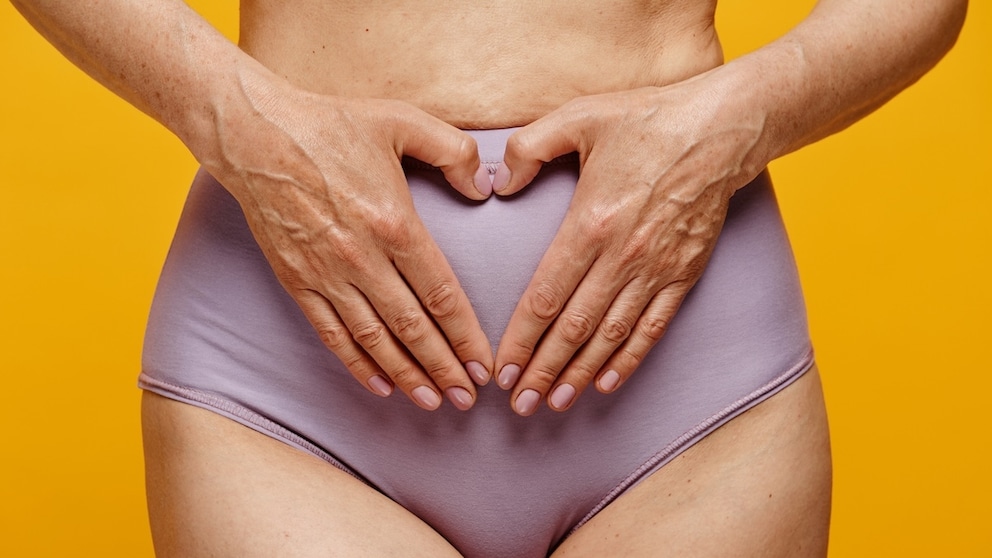
“The declining estrogen level has direct effects on the vaginal mucosa. It becomes thinner, drier, and more sensitive. The natural moisture and elasticity decrease, blood flow decreases, and this can lead to feelings of tension, itching, or burning. Small tears or micro-injuries are also possible, for example, during sex,” says Dr. Gößlinghoff.
Typical Changes in the Vagina Due to Estrogen Deficiency
Vaginal Dryness
One of the most common complaints during menopause is vaginal dryness (vaginal atrophy). It describes the thinning, drying, and increased sensitivity of the vaginal tissue. The lack of estrogen is to blame, as the hormone usually ensures that the vaginal mucosa is well-supplied with blood, elastic, and moist. Without this hormone due to menopause, the vaginal mucosa loses its firmness, and natural lubrication decreases, even during sexual arousal.
What Helps
Many women report that the vagina suddenly feels rough or dry, especially during sports or sex. This dryness can lead to burning, itching, or small tears, making intercourse uncomfortable or even painful,” says Dr. Gößlinghoff. “The good news is, there is effective help. Special moisturizing creams, hormone-free gels based on hyaluronic acid, or local estrogen preparations can make the vagina more supple again.”
Changed Odor and Susceptibility to Infections
The odor in the intimate area is generally always a sensitive topic. During menopause, it changes due to the altered pH value in the vagina. Normally, this is around 4.5 and protects the vagina from harmful germs. During menopause, however, the pH value rises because fewer lactic acid bacteria are produced. This can upset the natural protective barrier of the vaginal flora, resulting in a new odor and an increased risk of infections such as yeast infections or bacterial vaginosis (vaginal infection).
What Helps
Lactic acid preparations or vaginal suppositories can help stabilize the vaginal flora, along with mild intimate hygiene without aggressive cleansing lotions and breathable cotton underwear. In the sensitive intimate area, less is often more.
Laxity and Urinary Incontinence
“With the decline of collagen and elastin, the two proteins that keep our skin and connective tissue firm, the vaginal environment also loses firmness. Many women describe a feeling of ‘less support’ in the pelvic area as the pelvic floor muscles weaken. This can manifest as slight urinary incontinence when jumping on a trampoline, sneezing, or laughing, as well as a foreign body sensation in the vagina or the feeling of ‘too much width’ during sex,” describes Dr. Gößlinghoff.
What Helps
Regular pelvic floor training can strengthen your tissue and even improve mild incontinence. Vaginal cones (balls for pelvic floor training) or biofeedback devices also help to specifically activate the muscles. In some cases, laser treatments or gentle surgical interventions may be considered. Talk to your gynecologist if symptoms persist.
Also interesting: Amira Pocher: “What pelvic floor training is really about”
Changed Libido
Many women experience a changed sexuality during menopause, which is quite normal. Desire can fluctuate, sensitivity decreases, orgasms feel different, or are sometimes harder to achieve. Again, the lack of estrogen is the cause, as fewer hormones mean less blood flow in the intimate area and thus less sensitivity in this area. Emotional factors often come into play as well, ranging from sleep problems to mood swings to a new body image.
What Helps
“Menopause does not mean that fulfilling sexuality is a thing of the past. On the contrary: Many women report a new, more intense mindfulness towards themselves and their own bodies,” says Dr. Gößlinghoff. “Lubricants, regular touch, a relaxed atmosphere, and open conversations with your partner can help you reconnect. Clitoral stimulation remains unchanged. It is hormone-independent and an important part of female sexuality, especially in terms of achieving orgasm.”
Also interesting: Julia Holz (38) after cervical cancer: “Consequences are menopause, lymphedema, and fears”
How to Support Your Vaginal Changes
- Sensitive Intimate Care: Avoid aggressive cleaning products. Water or mild, pH-neutral cleansing lotions are sufficient.
- Lubricants: High-quality lubricants can be supportive, especially during sex.
- Moisturizing Creams: Hormone-free moisturizing creams with hyaluronic acid, lactic acid, or panthenol are suitable for everyday use.
- Local Hormone Therapy: If your symptoms are more severe, estrogen-containing vaginal creams, suppositories, or rings can help. These work locally and have little systemic impact on the body. It is important to have this clarified by a doctor.
- Pelvic Floor Training: Targeted exercises can strengthen the muscles and improve sensation.
- Listen: Many women remain silent about vaginal complaints. Take your symptoms seriously, listen to what your body is trying to tell you, and talk to your gynecologist.

Why Women Shouldn’t Settle for This Intimate Problem

Vaginal Stenosis: A Little-Known Phenomenon During Menopause
Helpful Support for Your Menopause
- Literature: The right literature can help you better understand menopause, reduce fears, and approach yourself and the changes in your body with more composure. Well-prepared information, personal experiences, and scientifically based guides provide orientation and show that you are not alone with the challenges of this transitional period.
- Naturopaths and Natural Medicine: Phytotherapy (herbal medicine) or bioidentical hormones can provide gentle support, very individually and holistically.
- Medications and Hormone Therapy (HRT): For more severe symptoms, systemic hormone therapy can help. However, this should always be coordinated with a doctor and regularly monitored. “With the declining estrogen level, many disease risks increase, especially in the cardiovascular system. A female heart attack has different symptoms than in a man. Many cases go unrecognized and pose a significant risk for women. Also, bone density decreases with the decline of estrogens. A medically guided hormone therapy can reduce these risks if conducted properly,” advises Dr. Gößlinghoff.
- Menopause Coach: Specialized coaches accompany you and can help you understand the physical, emotional, and sexual changes and develop new strategies.
Checklist: Am I Already in Perimenopause?
If you find yourself in several of the following points, it is quite possible that you are in perimenopause. A conversation with your gynecologist will bring clarity.
- I experience hot flashes
- My mood is more changeable
- I sleep worse than before
- My skin is drier
- My weight is changing
- I feel like I’m “not myself” anymore