


August 31, 2025, 2:01 am | Read time: 5 minutes
If sudden pain shoots into your calves while walking and only subsides after a break, there may be more behind it than just muscle tension. The so-called “window shopping disease” hides a dangerous circulatory disorder–often unnoticed for a long time but can have serious consequences.
Peripheral arterial disease (PAD), colloquially known as window shopping disease, primarily affects older people. The cause is narrowed arteries that no longer supply the legs with sufficient blood. If left untreated, the condition can lead to serious complications such as heart attack, stroke, or even amputations.
Follow the FITBOOK channel on WhatsApp now!
Overview
What is PAD?
Peripheral arterial disease (PAD) is a chronic circulatory disorder where arterial vessels–usually in the legs–are narrowed or blocked by deposits. The resulting impaired blood supply causes a lack of oxygen in the muscles. Especially under physical exertion, this can lead to cramp-like pain. Colloquially, it is called “window shopping disease” because those affected often have to stop while walking–seemingly to look into a shop window.
Who is affected and how many?
In Germany, according to the German Heart Foundation, about 15 to 20 percent of those over 70 are affected by PAD. Overall, about one in ten adults suffers from it. Notably, men are more frequently affected than women. In about 90 percent of cases, the arteries in the legs and lower abdomen are affected–in contrast, only about 10 percent of cases involve the arm arteries.1
What are the causes of the disease?
The main cause of PAD is arteriosclerosis–a vascular calcification where fat, calcium, and protein deposits accumulate in the arterial walls. Additionally, the vessels narrow increasingly, so less oxygen and nutrients reach the muscles. Especially when walking, the oxygen demand in the muscles increases–if circulation is impaired, it leads to pain. At rest, the demand decreases, and the symptoms subside.
About three-quarters of those affected initially experience no symptoms despite vessel narrowing. The reason: The body forms collateral vessels that partially compensate for the blood flow. However, this body’s protective mechanism is not unlimited–which is why prevention and early detection are crucial.2
What are the symptoms?
Typical symptoms of PAD are:
- Pain in calves, thighs, or buttocks when walking
- Feeling of cold in feet or legs
- Pale, bluish, or cool skin
- Numbness or weakness
- Poorly healing wounds
- Thin, fragile skin or reduced hair growth3
The symptoms often only appear under exertion and improve at rest. In advanced stages, pain is also possible at rest, especially at night in the feet and lower legs. According to the German Society for Vascular Surgery and Vascular Medicine (DGG), early signs should be taken seriously and clarified promptly–because if the disease progresses further, complex vascular interventions are often unavoidable.4
What dangers and consequences threaten?
PAD is a clear warning signal for an increased risk of further vascular narrowing in the body. If arteriosclerosis is present in the legs, the heart is often also affected–for example, in the form of coronary heart disease.
If left untreated, PAD can cause serious complications:
- Heart attack
- Stroke
- Kidney dysfunction
- Chronic wounds
- Tissue death up to amputation
According to the German Vascular League e.V., the general life expectancy of those affected decreases by about ten percent on average.5
What stages are there?
Medically, PAD is divided into the following four stages:
- Stage I: Vascular narrowing without symptoms.
- Stage IIa: Pain when walking after more than 200 meters.
- Stage IIb: Pain when walking after less than 200 meters.
- Stage III: Rest pain, especially at night.
- Stage IV: Ulcers, dead tissue, inflammation–risk of amputation
Stages III and IV are considered critical circulatory disorders and require immediate medical treatment.
How to Recognize Circulatory Disorders–and What Helps
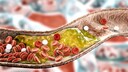
Symptoms of Arteriosclerosis – You Should Take These Warning Signs Seriously
Diagnosis of the disease
Usually, the medical conversation about symptoms and risk factors already provides initial clues; based on this, the following examinations are then used:
- Ankle-Brachial Index: Comparing blood pressure in the arms and legs–a quick, meaningful method for detecting PAD
- Imaging procedures: Using CT or MR angiography for precise localization of narrowing and therapy planning
- Physical examination: Checking skin color and temperature, feeling the pulse in feet and legs
- Doppler and duplex ultrasound: Visualization of vessels, blood flow, and possible narrowings
All examinations are carried out in close cooperation with radiology to ensure a precise diagnosis.
How is PAD treated?
In general, therapy is initially based on the stage of the disease. Additionally, it aims to promote circulation, alleviate symptoms, and effectively prevent possible complications.
Conservative treatment
Walking training: Regular, structured walking increases the pain-free walking distance, promotes the formation of collateral vessels, and improves circulation. Nordic walking is particularly suitable for those affected, as it puts significantly less strain on the legs compared to other activities.
Risk factor control: Quitting smoking, weight reduction, healthy diet, blood pressure and blood sugar control
Medications: Use of antiplatelet agents such as acetylsalicylic acid (Aspirin) to reduce the risk of vascular occlusions
Surgical procedures
Balloon catheter & stent: A catheter with a small balloon is first inserted into the narrowed vessel under local anesthesia and expanded there. A stent can then be inserted for stabilization.
Bypass surgery: In severe vascular occlusions, a blood bypass is created using the body’s veins or artificial materials.
Crucial for treatment success is that patients actively reduce their risk factors–especially smoking. Studies show that therapy often remains ineffective if nicotine consumption continues.
*With material from dpa