


October 15, 2025, 11:05 am | Read time: 6 minutes
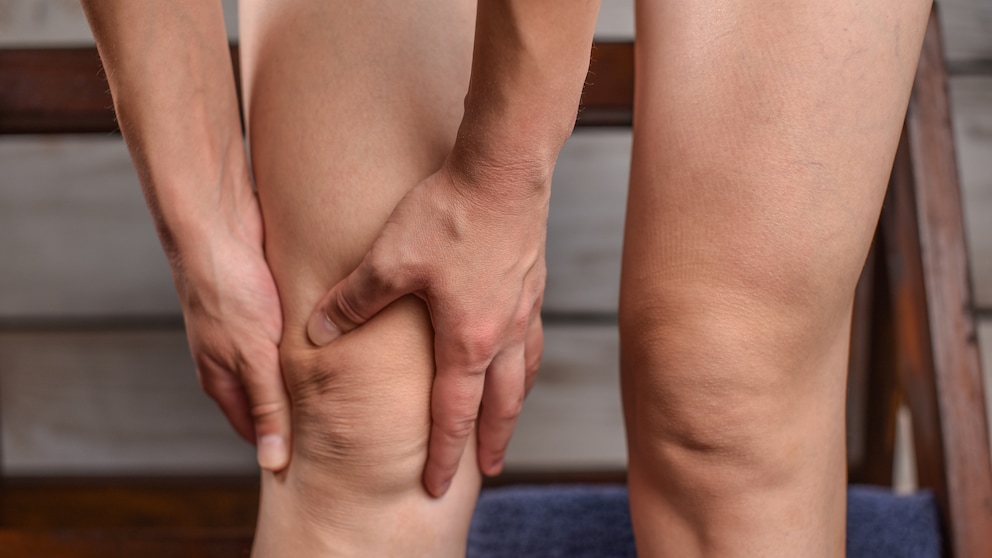
Constantly cold feet? It’s not always just harmless shivering. Sometimes, circulation disorders are the cause–an often underestimated but potentially dangerous condition. Knowing the warning signs can help you take timely action. An expert explains what to look out for–and why dancing can be more effective than some medications.
Circulation disorders increase significantly with age, affecting about one in ten people over 60. If detected early, serious consequences such as heart attacks or amputations can be avoided with targeted exercise, a conscious lifestyle, and medical monitoring.
Follow the FITBOOK channel on WhatsApp now!
Overview
What is a circulation disorder?
A circulation disorder occurs when blood can no longer flow freely through the vessels. This mainly affects arteries, which are the vessels that transport oxygen-rich blood from the heart to organs and tissues. When blood flow is obstructed, the affected body regions receive less oxygen and nutrients, while metabolic waste is less efficiently removed.1
Medically, a distinction is made between:
- Chronic circulation disorder: It develops slowly due to vessel narrowing.
- Acute circulation disorder: Here, a vessel is suddenly blocked, for example, by a blood clot. There is an immediate life threat–such as in a heart attack or stroke.
Also interesting: Intermittent claudication–what could be causing constant leg pain
What types of circulation disorders are there?
Circulation disorders can occur in almost all body regions. Depending on the location of the vessel narrowing, doctors differentiate:
- Peripheral arterial occlusive disease (PAOD): Narrowing of the leg or arm arteries. Also known as “intermittent claudication.”
- Coronary artery disease (CAD): Affects the coronary arteries. Typical symptoms are chest pain and shortness of breath.
- Carotid stenosis: Narrowing of the carotid artery–increases the risk of strokes.
- Mesenteric ischemia: Circulation disorder in the abdominal area–especially in the intestines.
- Renal artery stenosis: Insufficient blood supply to the kidneys, often associated with high blood pressure.
- Cerebral circulation disorders: Affect the brain and can cause vision problems, speech issues, and paralysis.
- Raynaud’s syndrome: Functional narrowing of the vessels in the fingers and toes, usually harmless.
In the following video, cardiologist Dr. Schneeweis explains avoidable risk factors for heart diseases:
These are the causes
The main cause is arteriosclerosis–deposits of fat and calcium on the vessel walls, known as plaques. These gradually narrow the vessels.
Risk factors for arteriosclerosis include:
- High blood pressure
- Elevated blood fats
- Diabetes mellitus
- Overweight
- Smoking
- Genetic predisposition
“If you want to know if your vessels are at risk of deposits, you should first ask yourself if you belong to a risk group,” advises Siamak Pourhassan from the German Society for Vascular Surgery and Vascular Medicine (DGG).
Risk individuals include people with high blood pressure, elevated cholesterol levels, overweight, smokers and ex-smokers, and those whose close family members had a heart attack or stroke before the age of 50.
A special form is Raynaud’s syndrome: Here, cold or stress causes a temporary constriction of small blood vessels, especially in the fingers. This phenomenon also occurs in young people and is usually harmless but unpleasant.2
This is what the symptoms look like
The symptoms depend on the affected body region. Generally, the less oxygen a tissue receives, the more pronounced the functional disorders become.
The following are typical symptoms:
- Legs and feet (PAOD): Pain when walking, feeling cold, weakness, sensory disturbances.
- Intestines (Mesenteric ischemia): Abdominal pain after eating.
- Heart (CAD): Chest tightness, shortness of breath, radiating pain.
- Brain (Carotid stenosis): Vision problems, speech disorders, hemiplegia.
- Diabetes-related microcirculation disorders: Initially numbness, then pain.
Early warning signs of impaired circulation in the legs include:
- Nail fungus
- Loss of hair on toes and lower legs
- Dry skin
- Skin cracks, especially on heels, soles, and between toes
“You should be alert to such signs, as they indicate a flow problem in the vessels,” explains Pourhassan.
Course of the disease
Chronic circulation disorders develop slowly–often over years–and remain symptomless for a long time. Particularly dangerous: Many affected individuals only notice the disease when walking pain occurs or tissue damage has already happened.
In contrast, an acute circulation disorder occurs suddenly, for example, when a plaque dislodges and blocks a vessel. In this case, an embolism or infarction is present. It is a medical emergency requiring immediate medical attention.
Diagnosis
Initially, if a circulation disorder is suspected, a physical examination is conducted–usually starting with the legs and feet. Doctors palpate the foot pulses, for example, at the inner ankle.
Additionally, the ankle-brachial index is determined–a comparison of blood pressure in the leg and arm. If the value is abnormal, further examinations by a vascular specialist follow.
“We then examine the venous and arterial vascular system with ultrasound, meaning both systems,” says Pourhassan. It is important to consider the entirety of the system because: “Our vessels are a complex network connected to all organs and tissues and are co-regulated by hormones and nerves.”
However, not all people benefit from an examination. Pourhassan warns:
“Just getting the vessels checked–I don’t think that’s a good idea,” he says.
“You might discover mini-plaques that have no health relevance. Nevertheless, such findings can be unsettling and even cause mental distress.”

Window Shopping Disease: What Causes Constant Leg Pain
Symptoms of Arteriosclerosis – You Should Take These Warning Signs Seriously
How are circulation disorders treated?
Treatment depends on the cause, severity, and location of the disorder. The goal is to improve circulation and prevent further vascular damage.
Conservative measures:
- Quit smoking
- Healthy, low-fat diet
- Daily exercise (e.g., 30 minutes of walking training)
- Normalize weight
- Optimize blood pressure, blood sugar, and blood fats
Special vascular sports groups, heart sports clubs, or self-help groups offering walking training are ideal.3
A particularly practical tip from Pourhassan: “Go dancing! Dancing is one of the best exercise programs ever–for the vessels, but also for mental fitness and social well-being.”
Medication therapy:
- Blood thinners
- Statins (to lower cholesterol)
- Medications for blood pressure or blood sugar control
Invasive procedures:
- Balloon dilation (PTA)
- Stent implantation
- Bypass surgery for advanced PAOD or CAD
Prevention of the disease
For existing circulation disorders, medical treatment is important. At the same time, you can do a lot yourself to keep your vessels healthy–often with simple everyday measures:
- Treat pre-existing conditions well: First and foremost, high blood pressure, high blood fats, or diabetes should be medically monitored and well controlled.
- Quit smoking: Additionally, tobacco consumption causes lasting damage to the vessels. Quitting smoking is always worthwhile–even in older age.
- Exercise regularly: Moreover, daily walking, cycling, or dancing boosts circulation. Just 30 minutes a day has a positive effect.
- Eat healthily: Additionally, a diet rich in vegetables, whole grains, and plant-based fats supports vascular health. Sugar and animal fats should be reduced.
- Lose weight: Finally, every pound lost significantly relieves the cardiovascular system.
This can significantly reduce the risk of circulation disorders–and improve quality of life in the long term.
*with material from dpa