

July 28, 2025, 9:02 am | Read time: 5 minutes
Couples often spend months, if not years, planning for this one day: the wedding! But after the big day is over, some experience a dip in mood. This is often referred to as the “post-wedding blues.” A psychologist explains the phenomenon and what can help.
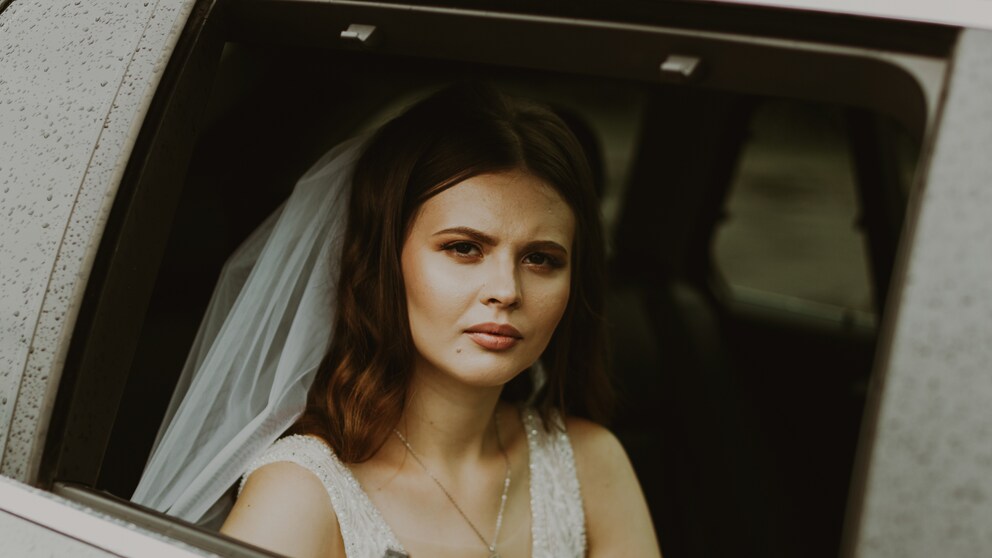
A day as significant as a wedding usually means a lot of preparation and anticipation for couples. Flower arrangements and rings are chosen, the perfect venue is sought, and the most beautiful wedding dress is found. When the day finally arrives, the months of preparation pay off. Family and friends celebrate the couple; there is laughter, tears, celebration, and dancing. After such an emotional and eventful day, a mental low can follow once all the excitement is over. What the so-called post-wedding blues are all about—and what can help.
Why the Post-Wedding Blues Occur
A Special Day Comes to an End
Time, energy, passion, money—all of this goes into wedding planning. Especially for those who throw themselves into the wedding project with enthusiasm, it can happen that they fall into a slump afterward. Life and thoughts have revolved around this one day for a long time. Often, women are affected, according to Julia Scharnhorst, head of the health psychology department at the Professional Association of German Psychologists. “When the celebration is over, there is initially a certain emptiness,” says the psychologist. And not only that: “It is normal for stress to subside after such an event.” Energy and drive are then lacking.
Expectations Were Too High
Perhaps one stumbled over too high expectations. “Especially when you have spent a long time planning, everything is supposed to work perfectly,” says Julia Scharnhorst. But something probably didn’t go as planned.” Maybe an uncle was drunk, the food was delayed, or the weather was bad. When you have worked so long for this special day, the disappointment is particularly great if something goes wrong.
Major Changes Can Trigger Uncertainty
Sometimes the difficult feelings after a wedding run deeper. “A wedding is not just a big party, but a life change,” says Julia Scharnhorst, who leads the health psychology department at the Professional Association of German Psychologists (BDP). Major changes like this can unsettle us: Was marrying this person the right decision for me? Questions like these can be tormenting—even if you are truly happy with the person you married. Additionally, conflicts in relationships do not simply dissolve with a wedding.

Postpartum Depression: Signs and Prevention Options

Can Even Prevent Diseases! The Health Benefits of Regular Sex
What Helps Against the Post-Wedding Blues
Sometimes It Takes a Little Patience
“You can take one or two weeks to relax and unwind, to let the wedding sink in,” says Scharnhorst. Whether you go straight into the honeymoon after the wedding, have to return to work, or spend a few days at home—dealing with your own feelings, acknowledging them, and giving yourself time to process this exciting day is a good prevention against the post-wedding blues. The important thing is: All feelings are allowed! A wedding is not a ticket to a carefree life where there is only cheerfulness. Negative feelings are also normal, and you should deal with them.
Talk to Your Partner
The keyword is: talk! And not just about the celebration, but also about expectations for life together, advises Scharnhorst. Often, people are so focused on the one day that they lose sight of what comes after. Because essentially, the wedding is just the beginning of the years of marriage together. Many more unique experiences will follow a beautiful wedding day. Some may find joy in planning a trip or honeymoon together. Others may find comfort in returning to a regular routine. An intensive exchange during the planning and in the days after the wedding about shared visions can help avoid a mood slump. Perhaps you and your partner feel similarly and can support each other in your respective emotional states. And sometimes, it helps just to have expressed the feelings once.
What If Doubts Arise?
If you doubt the decision to marry, you can remind yourself why you chose this person. “It’s about creating security for yourself,” says Scharnhorst. Because that stabilizes the psyche. It’s completely normal for doubts to arise. A wedding is an important and significant step in life. So it’s only understandable if you have concerns. However, don’t let negative thoughts spiral. Are you happy with your partner? Do you love your partner? Are you looking forward to a future together? If the answer is “yes,” focus on your shared happiness and enjoy your newlywed life, for example, with joint activities.
When Is Professional Help Needed?
For those worried about falling into a mental slump after the wedding, Julia Scharnhorst has good news: The post-wedding blues are not the norm, but rather the exception. Often, it resolves on its own. “After two weeks, you should have regained your footing,” says Scharnhorst. If the phase lasts longer and intensifies, professional help in a psychotherapeutic practice is needed. Because then, a depression may be underlying, for which the wedding celebration is not solely responsible.
With material from dpa