


October 15, 2025, 12:00 pm | Read time: 4 minutes
The heart is the essential engine of our lives. It’s crucial to focus on heart-healthy nutrition. For those who also care about regional foods, avocados, olives, and the like can be replaced with more sustainable alternatives. FITBOOK nutrition expert Beke Enderstein explains which superfoods are packed with nutrient boosters for a healthy cardiovascular system into old age.
To supply the heart with vital micronutrients, a well-coordinated mix is essential: from A for antioxidants to O for omega-3 fatty acids to Z for zinc. The key advantage: Our best local superfoods for the heart impress with a high nutrient density of exactly these heart-healthy micros, unsaturated fatty acids, and secondary plant compounds.
Overview
Oatmeal as an Antioxidant Zinc Boost
The popular, fiber-rich flakes for muesli, porridge, and baked goods provide an extra portion of zinc. In a study, researchers from the Chair of Animal Nutrition at the Technical University of Munich observed that a low zinc status leads to a decrease in vitamin E and glutathione in the heart muscle. This reduces the heart’s ability to respond to oxidative stress. According to current research, oxidative stress is a risk factor for heart disease.1
In addition to zinc, oatmeal also contains beta-glucan. This fiber supports heart and vascular health by reducing cholesterol levels. Several scientific studies have shown that beta-glucan reduces the risk of developing coronary heart disease (CHD). CHD, which can lead to a heart attack or stroke, is the leading cause of death worldwide.2
Blueberries Are Packed with Heart Antioxidants
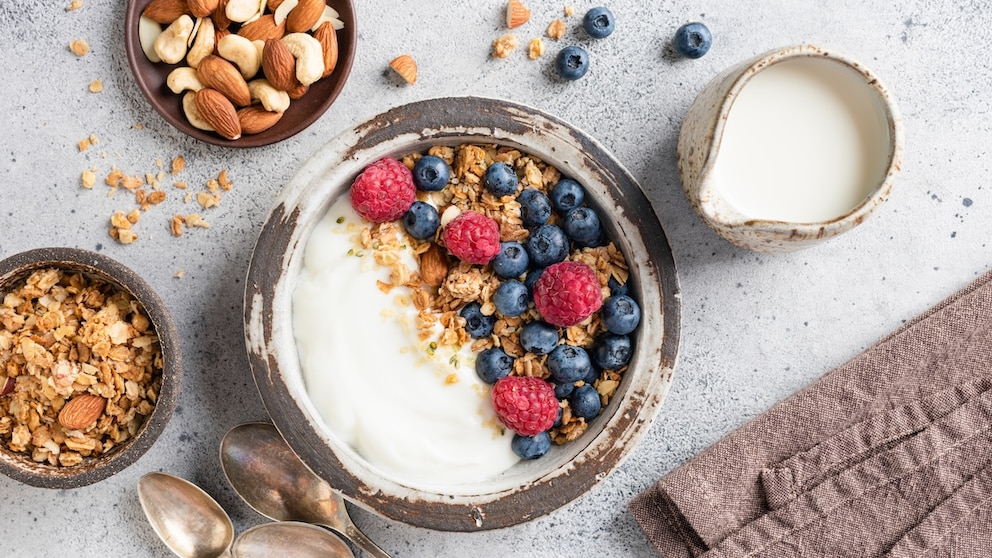
Regarding the heart and cardiovascular health, the anthocyanins found in blueberries play a major role. These secondary plant compounds—which give the regional “superberries” their characteristic color—act as antioxidants capable of destroying free radicals. Additionally, they reduce inflammatory processes, efficiently protecting heart cells.3 So, enhance muesli, smoothies, salads, and more with regional blueberries more often!
Tomatoes for Lycopene and Heart Micros
The secondary plant compound lycopene, highly concentrated in tomato paste, is a valuable antioxidant and is considered a preventive factor against cardiovascular diseases.4
The heart-healthy, brilliantly red vegetable offers additional highlights. Potassium supports blood pressure, magnesium boosts the heart muscle, and B vitamins positively affect high homocysteine levels. It’s important to note that homocysteine is a risk factor for cardiovascular diseases.
Walnuts Provide Vitamin E and Omega-3
Locally available walnuts are rich in polyunsaturated omega-3 fatty acids and antioxidant vitamin E. While the latter helps the heart inactivate aggressive oxygen radicals, people with high cholesterol levels benefit from omega-3 fatty acids: They offer efficient protection against atherosclerotic deposits in vessels, inflammation, and heart attacks. The heart-healthy nutrient profile of walnuts is completed by potassium, B vitamins, and zinc.
Tip: To consume sufficient amounts of the omega-3 duo DHA and EPA, I recommend, in addition, a bioactive dietary supplement based on organic algae oil.
Also interesting: The Best Omega-3 Supplements at a Glance

What Are Phytochemicals and Why Are They So Healthy?

Is Fresh Produce Always Better Than Frozen and Canned?
Apples for Pectin
Apples are also a superfood for the heart. They contain the fiber pectin, valuable plant fibers that have cholesterol-lowering effects.5
But apples can do even more for the heart: While the mix of vitamin C and polyphenols protects heart cells from free radicals, the latter secondary plant compounds positively affect blood clotting and lipid oxidation—a preventive factor against atherosclerosis.
Tip: To benefit optimally, it’s advisable to buy organic, unsprayed apples and eat them with the skin.
Spinach: Antioxidants and Folic Acid for the Heart
The green leaves are rich in secondary plant compounds like carotenoids and saponins, which positively affect cardiovascular diseases as antioxidants. The vitamin C contained in spinach also contributes to the heart’s cell protection. The mineral magnesium further supports the normal function of the heart muscle. The B vitamins in spinach contribute “last but not least” to a normal homocysteine metabolism. And what does science say? A study found that regular consumption of spinach positively affects blood pressure levels.6