


November 20, 2025, 4:16 pm | Read time: 3 minutes
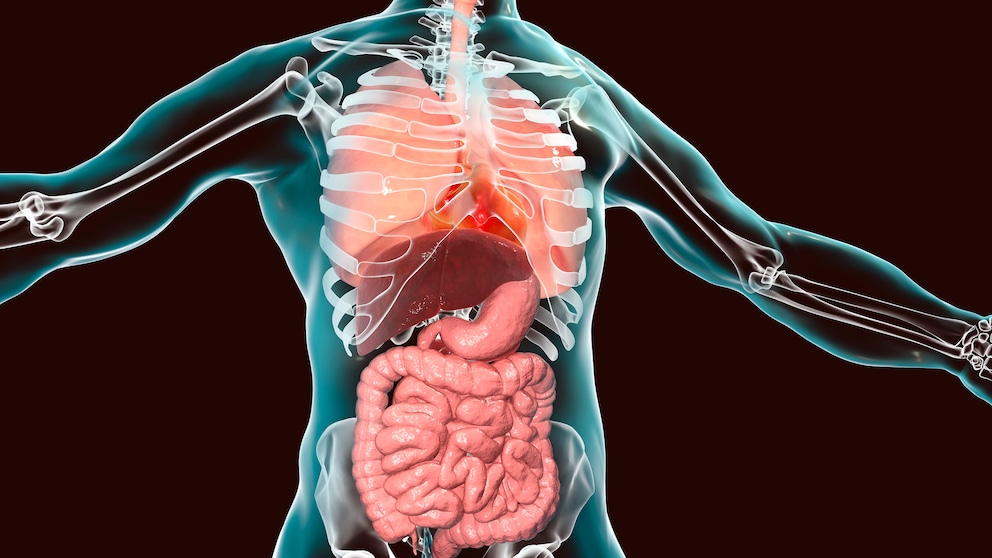
The global consumption of highly processed foods is rapidly increasing, with serious health consequences. This is shown by a series of studies published in the journal The Lancet. The researchers conclude that these products can harm all organ systems in the body. For “Highway to Health–Studies in Brief,” I took a closer look at the research.
What was examined? The first paper in a three-part series in the journal “The Lancet” summarizes numerous studies and global sales data on highly processed foods.1
The analysis focused on how strongly the consumption of these industrially produced products, which contain many additives, flavors, and altered ingredients, is related to health. Data from 93 countries between 2007 and 2022 were evaluated, supplemented by more than 100 long-term observations of adults. Two controlled short-term studies additionally examined how highly processed foods compared to unprocessed foods affect eating behavior.
Numerous Diseases and Premature Death from Highly Processed Foods
Results: The proportion of highly processed products in daily diets is increasing worldwide. Even a 10 percent increase in their share led to an average additional consumption of 34.7 kilocalories per day. In a U.S. study, individuals who consumed highly processed foods took in about 500 more kilocalories daily and gained 0.9 kilograms in two weeks, even though the nutrient content of the diets was the same. In Tokyo, it was even 813 more kilocalories and a 2.2-kilogram gain within a week.
Over 90 long-term studies also show a significantly increased risk for:
- Obesity
- Type 2 diabetes
- Heart and vascular diseases
- Chronic kidney diseases
- Chronic inflammatory bowel diseases (especially Crohn’s disease)
- Depression
- Premature death
The authors conclude that highly processed foods harm almost all major organ systems.
Experts: Many Highly Processed Foods Have Addiction Potential
Significance: Highly processed products are increasingly displacing fresh, traditional foods, thus promoting the development of numerous chronic diseases. Their health disadvantages are as pronounced in studies as the protective effects of a Mediterranean diet. The main causes:
- Overeating due to high energy density, soft texture, and strong seasoning
- Nutrient deficiencies, such as from insufficient intake of fiber and protective substances
- Exposure to additives and packaging materials that can release toxic or hormone-disrupting chemicals
Even when nutrients are added, the problem remains: The type of processing, the destroyed food structure, and the high proportion of additives make these products fundamentally unhealthy.
Another risk is added: According to experts, many of these foods have a real addiction potential. They are deliberately developed and marketed so that consumers eat more than is good for them. Experts are therefore calling for political measures to promote the consumption of fresh foods and limit the share of industrial products.

Highly Processed Foods Overstimulate Our Sense of Taste
“I view this development with growing concern because it leads many people into a silent trap from which not everyone can escape without conscious effort. Highly processed foods overstimulate our taste senses so much that natural, fresh food hardly triggers anything in comparison: It seems bland, almost disappointing. Over time, our sense of taste dulls—it takes increasingly intense stimuli to feel anything at all. This is exactly what makes many people reach for processed products more often. A vicious cycle.
The first step to breaking out of it is knowledge: understanding the damage highly processed foods cause. Those who grasp this can make more conscious decisions when shopping and eating—and gradually return to a natural diet. Then the real sense of taste returns.”
Found an error? Please send feedback to: highway2health@fitbook.de.