


August 25, 2025, 11:00 am | Read time: 4 minutes
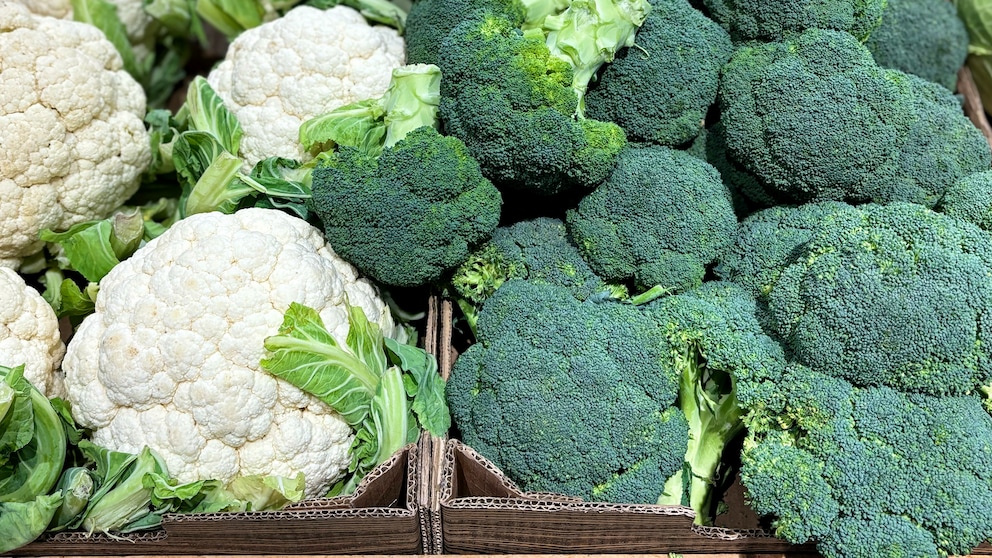
They can be more than just a side dish: Broccoli—and other cruciferous vegetables—could significantly reduce the risk of colon cancer, according to new data. Particularly intriguing: Even small daily amounts seem to have a protective effect. A recent meta-analysis from China shows what exactly is behind this, how much cruciferous vegetables are sufficient, and which types work best. FITBOOK explains which ingredients are responsible and which vegetables should now regularly be on your shopping list. A tip in advance: Just one floret of broccoli a day could protect your colon …
What Was Studied and Why?
Colon cancer is among the most common and deadliest cancers worldwide. In Germany alone, there are over 60,000 new cases annually, and 25,000 people do not survive the disease. Recently, actor James Van der Beek, known from “Dawson’s Creek,” publicly shared his diagnosis. His diagnosis: stage 3 colon cancer at 46 years old. While family history can play a role, diet and lifestyle are key factors in minimizing risk. Researchers have long believed that cruciferous vegetables—including broccoli, cauliflower, Brussels sprouts, and kale—can slow or even prevent the development of colon cancer. To get a clearer picture, Chinese researchers examined 17 studies on this topic and reached a clear conclusion. The new meta-analysis was recently published in the journal BMC Gastroenterology.1
17 Studies Analyzed with a Total of 639,539 Participants
The 17 studies examined included seven cohort and ten case-control studies. A total of 639,539 people participated, 97,595 of whom had colon cancer. The studies were conducted in America, Europe, Asia, and Australia. In most cases, participants self-reported how much and how often they consumed cruciferous vegetables in questionnaires. However, the Chinese researchers rated the majority of the individual study designs as high quality.
20 to 60 Grams of Cruciferous Vegetables Are Sufficient for Maximum Protection Against Colon Cancer
The first important finding is that cruciferous vegetables can protect against colon cancer. Just 20 grams of broccoli and similar vegetables (about a medium-sized floret) are enough to have a protective effect. This can even be slightly increased, although portions over 60 grams have no further effects. The researchers calculated that the risk of colon cancer can be reduced by up to 20 percent if you include a small portion of the vegetable on your plate daily. The team also found that the protective effect was particularly pronounced in studies from North America and Asia, but less so in Europe or Australia.
These Compounds in Cruciferous Vegetables Are Said to Protect Against Colon Cancer
But which compound in cruciferous vegetables is responsible for the anti-colon cancer effect? Cruciferous vegetables are a rich source of beneficial secondary plant compounds such as flavonoids, fiber, vitamin C, and carotenoids, and are also rich in glucosinolates. These compounds are partly responsible for the typical cabbage smell that arises when chewing. This is also the moment when they break down into isothiocyanates, particularly sulforaphane. This molecule is believed to be responsible for the cancer-protective effect by triggering the death of malignant cells, inhibiting the formation of new blood vessels at tumor sites, and preventing the uncontrolled growth of cancer cells.
Also interesting: The Diet That Can Provenly Reduce Cancer Risk

The Scientific Reason Many Children Dislike Broccoli

14 Methods to Boost Testosterone Levels
It Doesn’t Always Have to Be Broccoli – These Vegetables Are Among the Cruciferous
The selection of delicious cruciferous vegetables is large. So if you can’t stand broccoli, you can turn to equally healthy alternatives. The following list helps bring variety to your plate.
- Broccoli
- Cauliflower
- Brussels sprouts
- Kale
- Kohlrabi
- Red cabbage
- White cabbage
- Radishes
- Rutabagas
- Arugula
- Cress
Limitations of the Meta-Analysis
According to the researchers involved, the current meta-analysis provides strong evidence that cruciferous vegetables can reduce the risk of colon cancer. However, the dietary data is largely based on questionnaires, which can be inaccurate and are never proof of a causal effect. Most of the data also comes from Asia and North America, so it is unclear whether the results are globally applicable. For a long time, colon cancer was considered a typical disease of old age, but that is changing: In recent years, the number of diagnoses among those under 50 has increased worldwide. 2