


November 27, 2025, 2:02 pm | Read time: 4 minutes
Have you ever craved raw onions? Unless they’re in a kebab or on a minced meat sandwich, probably not. But Heidi Klum seems to have a special fondness for alliums—even early in the morning. FITBOOK nutrition expert Sophie Brünke takes a look at the model’s plate.
Heidi Klum Has Often Stood Out for Her Unique Breakfast Choices
From time to time, Heidi Klum’s favorite breakfast changes. As recently as 2023, the supermodel would reach for an egg carton and crack three eggs into a pot of hot chicken broth. The resulting egg custard could be spooned or drunk. This breakfast option provided high-quality protein and fats, but the vitamin content was limited.
Perhaps Klum thought the same when she presented a smoothie made from two whole lemons (yes, including the peel) and green soup for breakfast on Instagram this summer, as Gala reported. The ingredients? Green asparagus, onions, garlic, and bouillon cubes—all pureed into a green mass. “Others crave pizza, chocolate, and chips; I crave garlic and onions,” the supermodel joked.
Also interesting: Better Weight Loss With Lemon Water Before Breakfast? Here’s What an Expert Says
Onions Are Also Part of Klum’s “Breakfast for Champions”
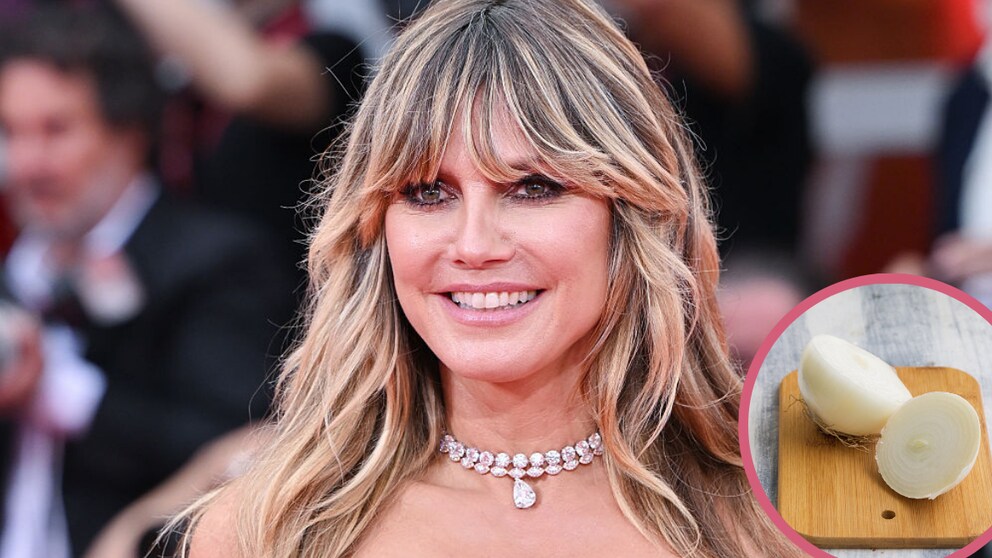
The breakfast plate that the native of Bergisch Gladbach recently shared with her followers once again featured onions, this time in large chunks for snacking. Also on the plate were two boiled eggs, some avocado, cherry tomatoes, celery, lettuce, and a slice of pumpernickel, presumably spread with butter or margarine. She herself called this combination a “breakfast for champions.”
By the way, Heidi doesn’t believe in counting calories. She told the magazine “People“: “I’ve never done that. I’ve always been lucky never to have that obsession with counting calories or anything like that.”

Queen Letizia Opts for a Special Breakfast–What a Nutrition Expert Thinks

Nutrient Powerhouse: “Protein Flips” – Three Recipes for Shakes with Raw Egg
What Nutrients Are in Heidi’s Breakfast?
While Klum didn’t share the exact amounts, there’s enough information for an assessment. Heidi’s breakfast roughly contains the following nutritional values:
- Energy: 400 calories
- Protein: 19 grams
- Fat: 25 grams
- Carbohydrates: 28 grams
- Fiber: 8 grams
Heidi’s breakfast is a clear example of how figure-conscious eating can work without counting calories. The eggs provide high-quality protein, which keeps you full for a long time. They also supply the body with important micronutrients like vitamins B12, D, and A, as well as choline, which plays a role in liver function. Avocado scores with healthy monounsaturated fats, vitamin E, K, some B vitamins, and plenty of potassium, which is important for muscles and blood pressure. Combined with the fiber-rich pumpernickel and vegetables, you have a breakfast that energizes you and keeps you full for a long time.
What Do Onions Really Offer in the Morning?
The average person in Germany eats about ten kilograms of onions a year, which is roughly equivalent to two large cooking onions per week.1 Is it worth increasing this amount?
In fact, alliums have some unique benefits. With 30 calories per 100 grams, they are not only low in energy but also provide vitamin C, which is important for the immune system. Vitamin C also acts as an antioxidant, protecting cells from free radicals and premature aging. Alliums are also notable for their sulfur compounds, such as methylsulfonylmethane (MSM), which are associated with a reduced risk of cancer.2 Particularly interesting is the content of quercetin, another antioxidant secondary plant compound, which has shown positive effects on cancer in animal studies.3 Initial studies in humans suggest that quercetin may also help with rheumatoid arthritis and cardiovascular diseases.4,5
However, it’s important to note that the valuable antioxidants are sensitive to heat. Since onions are usually eaten sautéed or stewed, this is unfortunately not beneficial to the health potential of the bulb. But it also means Heidi is doing it right by eating onions raw!
For those who can’t stomach raw onions in the morning—or simply don’t want to deal with bad breath and bloating—the healthy bulb can certainly be enjoyed later in the day.