


December 9, 2025, 6:19 pm | Read time: 4 minutes
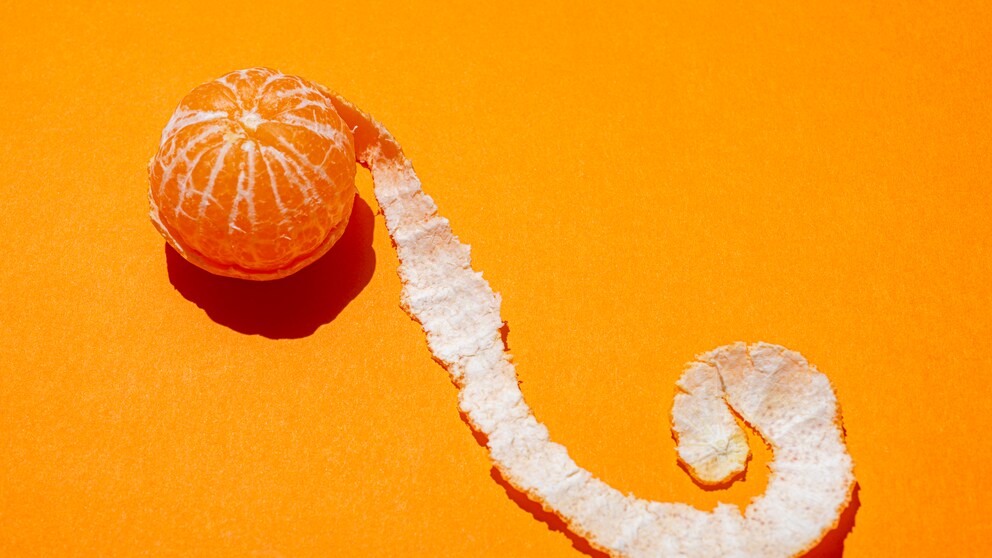
They emit a lovely fragrance, are a staple on any festive platter, and are simply a must during the winter and holiday season: mandarins. But how healthy are these orange fruits really? And why should you definitely eat the white part!
These Nutrients Are Found in Mandarins
The following nutrient information applies to 100 grams of peeled mandarin.1
- Energy: 54 kcal
- Protein: 0.7 grams
- Carbohydrates: 10.1 grams
- Fat: 0.3 grams
- Fiber: 1.7 grams
Vitamins and Minerals
- Vitamin C: 30 milligrams (30 percent of daily requirement)
- Potassium: 160 milligrams (4 percent of daily requirement)
- Vitamin A precursor: 27 micrograms (3 percent of daily requirement)
How Mandarins Protect Against Diseases
Even though mandarins aren’t overflowing with vitamins and minerals (except for vitamin C), they contain other substances that greatly benefit health. Their names: beta-cryptoxanthin, naringin, hesperidin, tangeretin, and nobiletin. These are antioxidants and flavonoids, some of which are found only in mandarins, and are said to have anti-inflammatory, anti-cancer, blood pressure-regulating, and heart-protective properties.2,3 In short, these plant compounds significantly contribute to preventing certain diseases from developing.
What Is the White Part of Mandarins Called?
If you want to show off your knowledge next time, here you go: The “white part” is called mesocarp. The term comes from Greek and combines the words for “middle” (meso) and “fruit” (karpós). The term albedo can also be used for the white skin—it derives from the Latin albus for “white.”

The Difference Between Mandarins and Clementines

8 Reasons to Eat Blueberries Every Day
Mandarins Support a Strong Immune System
If only everything were this simple: Eating two or three delicious mandarins daily (depending on size) and your daily vitamin C requirement is literally met. With this strategy, you have a good chance of staying healthy and possibly cold-free through the winter. Why is vitamin C essential for a healthy and strong immune system? It promotes the body’s production of phagocytes. These cells are also called scavenger cells because they can absorb and destroy pathogens like bacteria and viruses.4 And by the way, vitamin C is an effective beauty booster, as it stimulates the skin’s collagen production.5 Collagen ensures strong and firm connective tissue, making it essential for stressed winter skin.
“Miracle Substance” Nobiletin Protects the Brain and Keeps You Slim
As mentioned earlier, mandarins contain a compound called nobiletin. And it seems to have truly noble properties. There are indications from animal studies that the plant compound can protect against Alzheimer’s and Parkinson’s by slowing the accumulation of Alzheimer’s plaques in the brain. Additionally, nobiletin is said to strengthen cells that produce the hormone dopamine (the neurotransmitter increases motivation and drive). Destruction of these cells leads to the progression of Parkinson’s disease.6
And as if mandarins weren’t healthy enough, the brain-protecting nobiletin seems to be a kind of diet miracle. In 2020, a U.S. study discovered that the compound prevented fats from food from settling on the hips.7 The small subjects (they were mice; human studies are still pending) remained slim despite plenty of calories and “rodent junk food,” including healthy blood lipid levels. Apparently, nobiletin blocks the body’s fat conversion, scientists suspect. It will take some time to fully understand the mechanism behind it. At least science already knows that mandarins are super healthy, and you should double up on them right now.