


September 6, 2026, 6:29 am | Read time: 5 minutes
If you want to build muscle or lose weight, you should pay attention to your protein intake. Numerous “high protein” products aim to make this particularly easy. However, this often comes at the expense of adequate fiber intake, whose importance for health has become more recognized since the “fibermaxxing” trend. FITBOOK nutrition expert Sophie Brünke introduces foods that contain both: protein and fiber.
In Brief: What Are Proteins and Fiber Good For?
Proteins and fiber serve different but important functions in the body. Protein provides amino acids, which the body needs as building blocks for the development and maintenance of muscles, organs, hormones, enzymes, and a functioning immune system. The German Nutrition Society (DGE) recommends that adults up to 65 years old consume 0.8 grams of protein per kilogram of body weight daily.1 Those who exercise more than five hours a week can increase this to 1.2 to 2.0 grams, depending on training intensity and goals.2
Fiber, on the other hand, is an indigestible component of plant foods. It aids digestion, serves as food for beneficial gut bacteria, and helps maintain stable blood sugar levels. Additionally, it provides a feeling of fullness and is associated with a lower risk of cardiovascular diseases, type 2 diabetes, and obesity. The DGE recommends at least 30 grams of fiber per day.3
Legumes–the Plant-Based Protein Powerhouses
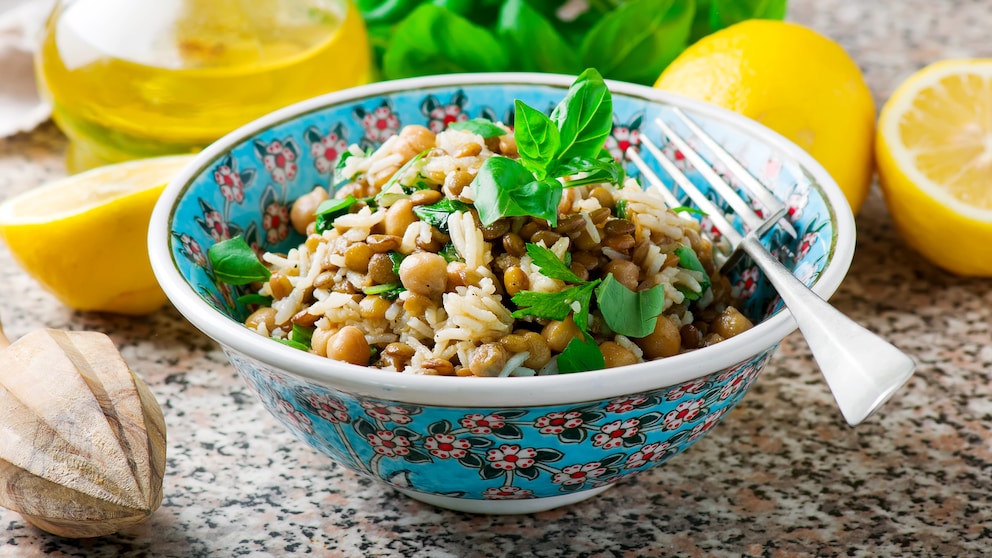
No other plant foods contain as much protein as legumes. Depending on the type, they contain 20 to 38 percent protein in their dried state.4 Key examples include beans, peas, chickpeas, lentils, soybeans, and lupins. They can be consumed directly or in products made from them, such as flours, plant-based yogurts, spreads, or meat alternatives. Coarse chunks and fine granules are also popular, which can be processed into plant-based stir-fries, ground meat, or salad toppings, depending on their size.
By the way, peanuts are botanically classified as legumes. However, due to their fat content, they are usually categorized with nuts–which we will discuss later.
Also interesting: 3 simple tips to avoid bloating from legumes
Often Overlooked for Protein: Whole Grains
The importance of whole grains is often instilled in us from childhood, primarily due to their high fiber content. However, whole grain cereals also contain a significant amount of protein. The options are diverse: from the classic sandwich with whole grain bread, to baked goods, pasta, pancakes, porridge, and mueslis in whole grain versions, to the “overachiever” breakfast of fresh grain porridge–a porridge made from freshly ground kernels that swells overnight in the fridge with yogurt and fruits.
Pseudocereals like buckwheat and quinoa can also be whole grain. The key for the designation is that, as the name suggests, the whole grain is present in the product.
What Makes a Healthy Breakfast? These Foods Are Ideal

Nutritional Recommendations for Strength Athletes – What and When You Should Eat to Build Muscle
Best to Combine Grains and Legumes
You may have heard the term “biological value” in relation to protein. It describes how well our body can utilize the protein from a food. Proteins consist of many amino acids, which are like Lego bricks.
Our body needs certain Lego bricks to build muscles, skin, or organs. Some foods contain almost all the necessary bricks in the right amounts. Then the body can use a lot of it–the biological value is high. Animal protein sources usually have a higher biological value (exception: soy). The practical thing is that foods can be combined. If certain building blocks are missing in one food, it can be complemented by another. This creates a better “building set.”
Legumes, for example, provide plenty of lysine but relatively little methionine. In grains, it’s the opposite, which is why the two foods complement each other perfectly. They don’t even have to be eaten in the same meal. It’s enough if they are included in the diet throughout the day.
Nuts and Seeds Are Underrated Helpers
Nuts and seeds provide valuable fatty acids, vitamins, and minerals. They also contain proteins and fiber. Due to their high fat content, they are energy-dense, so it’s not advisable to use nuts as the main source to meet your needs. However, as a topping or snack in between, they can contribute to your protein and fiber intake.
The table also lists almonds. Strictly speaking, these are stone fruits, but like the legume peanut, they are better categorized here based on their nutrient profile.