


September 11, 2022, 6:01 am | Read time: 3 minutes
They are colorful, so why not put them in your mouth? Toxic plants from the garden and nature quickly become a danger for toddlers. Here’s what parents can do in case of an emergency.
Just a moment of inattention, and it happens: The toddler grabs berries, flowers, or leaves during a walk in the woods or in the garden and puts them in their mouth. But what should parents do if they suspect their child has eaten a poisonous plant?
Overview
Help is available at poison control centers
In such a case, you should quickly contact a poison control center. A list of contact details for the centers is available on the website of the Federal Office of Consumer Protection and Food Safety.
Also interesting: Bitter-tasting nuts? Spit them out immediately!
What parents can do immediately
Additionally, remove all plant parts that have not been swallowed from the child’s mouth as quickly as possible, advises the Professional Association of Pediatricians (BVKJ). If you cannot confidently identify the ingested plant, it is helpful to take a photo of it and break off a part of the plant. Both can assist medical professionals in their identification and appropriate treatment.
Also interesting: How to recognize and correctly interpret pain in children
https://oembed/fitbook/affiliate/cd0fcedddb987ba803522d73785c4ad51599f79b90f3cfc42980003e02aec035/900b495e-d27d-429e-892a-029abf95d223/embed

How to Childproof Your Home
The Health Benefits of the Underrated Garden Herb Goutweed
Toxic berries and flowers are also found in fall
Not only in the warm season are there plants (flowers, leaves, and berries) in nature and the garden that are toxic and easily accessible to small children. For example, the blooming period of autumn crocus lasts until October. They grow in gardens or on damp meadows. Just one gram of their seeds can be fatal for children.
Learn more about the autumn crocus, the poisonous beauty in the garden bed, from our colleagues at myHOMEBOOK.
And the berries of the deadly nightshade are also in season until October. The low shrubs often grow at the edge of forest paths. The particular danger: The black, shiny berries taste sweet, but three to four of them can be life-threatening for children. The rest of the plant parts are also poisonous.
The most poisonous plant in Europe
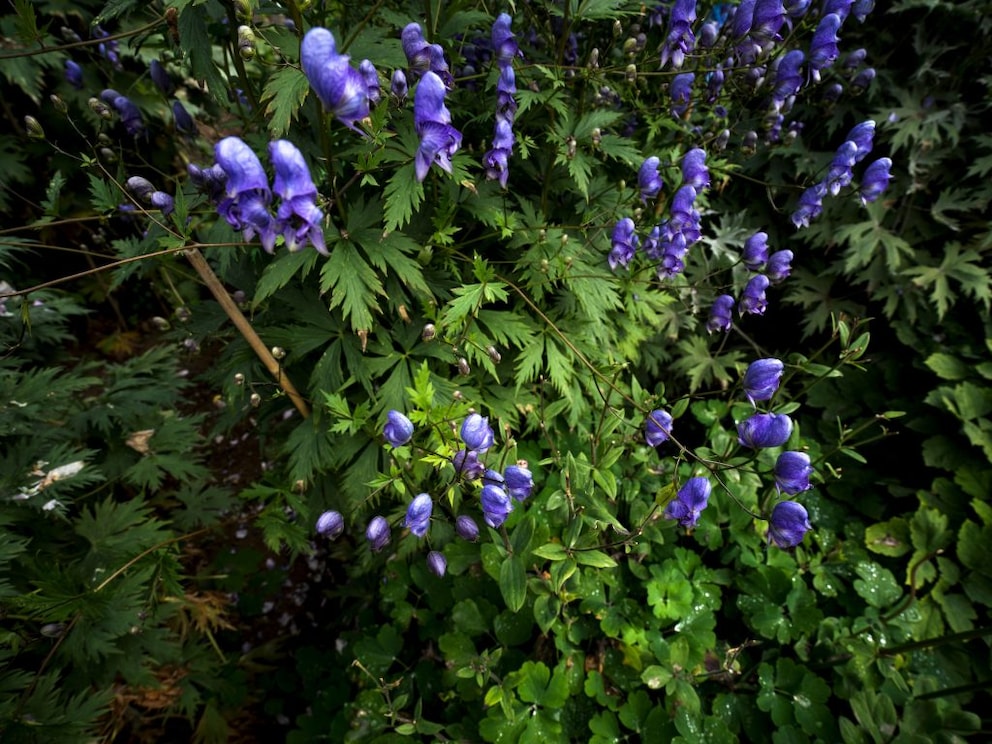
The most poisonous plant in Europe is monkshood, which thrives on damp meadows and in gardens. Symptoms of poisoning appear within 10 to 20 minutes. If a child has put parts of the plant in their mouth, an emergency doctor should be contacted immediately, according to the BVKJ.
With material from dpa