


July 27, 2026, 2:17 am | Read time: 5 minutes
Whether in cereal, yogurt, as a smoothie, or simply fresh from the bowl–raspberries and blackberries are among the most popular fruits. Both are considered local superfoods, low in calories, and packed with a variety of valuable nutrients. But which of the two berries actually has the upper hand health-wise?
Berries are among the most nutrient-rich foods
Nutrition experts recommend eating fruit daily–and berries hold a special place in this regard. They are relatively low in calories but rich in vitamins, minerals, fiber, and phytochemicals. These include flavonoids and anthocyanins, which are credited with antioxidant properties. They can neutralize free radicals in the body, thereby protecting cells from oxidative stress. There is also evidence that they can positively influence inflammatory processes.1
These are the differences between the berries
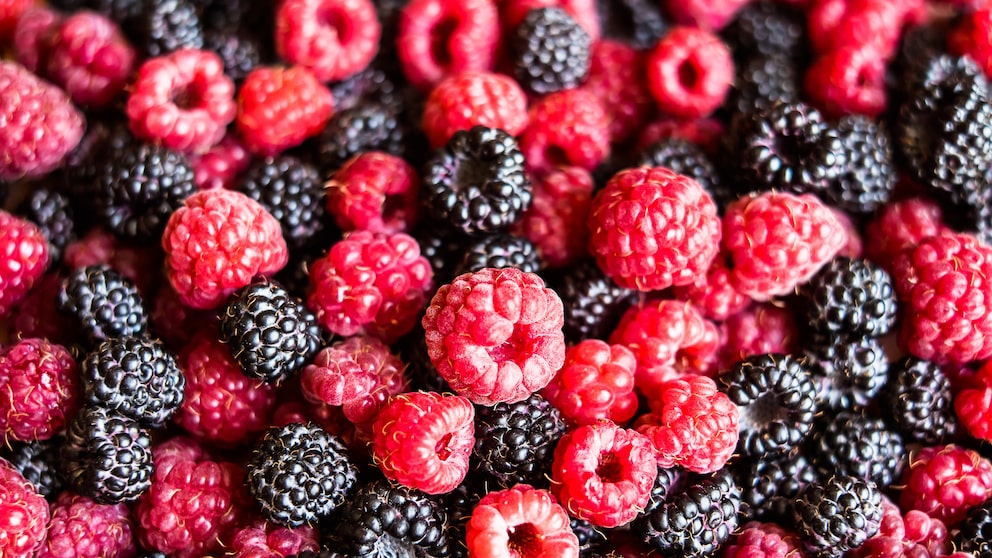
Although both fruits belong to the rose family, they are different plant species. At first glance, they mainly differ in color: raspberries are bright red, while blackberries are dark violet to black.
There are also differences in harvesting. Raspberries easily detach from the flower base and are therefore hollow, making them particularly sensitive to pressure. Blackberries, on the other hand, remain attached to the fruit base when picked. The small light stem remains in the fruit, making them more robust and easier to transport and store.2
Also interesting: What makes elderberries so healthy–and why they should not be eaten raw
Blackberries: What’s inside the dark fruits
Blackberries are among the most nutritionally interesting local berries. One hundred grams provide only about 44 kilocalories and contain numerous health-promoting ingredients.
Particularly noteworthy is their high anthocyanin content. These phytochemicals give the fruits their intense dark color. Studies suggest that anthocyanins can protect cells from oxidative stress. Additionally, research is being conducted on whether they positively affect memory and concentration.
Furthermore, blackberries contain:
- Vitamin C
- Beta-carotene as a precursor to vitamin A
- B vitamins, including folate
- Potassium
- Fiber, especially pectin
Vitamin C supports the immune system and contributes to collagen formation, which is important for skin, bones, cartilage, blood vessels, and gums.
Beta-carotene is converted into vitamin A in the body and plays an important role in vision and cell protection. Potassium contributes to normal muscle and heart function and helps regulate blood pressure. Pectin is a soluble fiber that promotes digestion, provides a longer feeling of fullness, and can help stabilize blood sugar levels after a meal.3
Raspberries: low in calories and full of nutrients
Raspberries are also among the most nutrient-rich fruits. With about 33 kilocalories per 100 grams, they contain even less energy than blackberries. At the same time, their sugar content is relatively low.4
Their key ingredients include:
- Vitamin C
- Fiber
- Anthocyanins and other flavonoids
- Potassium
- Magnesium
- Tannins
- Resveratrol
Resveratrol is best known from red grapes. This phytochemical is credited with anti-inflammatory properties.
Another advantage of raspberries is their low glycemic index. This means that blood sugar levels rise more slowly after consumption than with many other fruits. Therefore, raspberries are considered a particularly good choice for people who want to monitor their blood sugar. The tannins they contain can also slow down starch breakdown, contributing to a gentler rise in blood sugar.
Both raspberries and blackberries are good sources of vitamin C. Blackberries contain about 15 milligrams of vitamin C per 100 grams. Raspberries even reach around 25 milligrams per 100 grams. For comparison, lemons contain approximately 50 milligrams per 100 grams.5
Fiber promotes digestion
Another plus for both berries is their high fiber content. Fiber supports healthy digestion, promotes gut flora, and provides a longer-lasting feeling of fullness. They can also help reduce blood sugar fluctuations after a meal.
When the berries taste best
To buy the most flavorful fruits, pay attention to the local season. In Germany, raspberries are mainly available from June to August. Blackberries follow a bit later, with their peak season between July and October. During this time, it’s especially worthwhile to choose regionally grown fruits. Short transport routes often result in fresher produce and are also better for the environment. Outside the season, many berries come from southern countries or overseas.
Outside the season, consumers don’t have to forgo berries. Frozen raspberries and blackberries are usually frozen right after harvest, preserving many vitamins and other nutrients. For smoothies, desserts, or baking, they are a good alternative to fresh produce.

The Underrated Benefits of Rosehip Powder–and How to Make It Yourself

8 Reasons to Eat Blueberries Every Day
What to look for when buying
Fresh berries are delicate. Therefore, it’s worth taking a close look at the packaging. The fruits should be plump and firm, show no pressure marks, look dry, and be free of mold.
Even slightly damaged berries can quickly spoil the entire container. Raspberries are significantly more delicate than blackberries and should be consumed as soon as possible.
Caution with self-picked wild berries
Those who pick blackberries or raspberries in the wild should wash the fruits thoroughly before consumption. According to the Federal Office of Consumer Protection and Food Safety (BVL), wild berries can carry pathogens such as noroviruses or hepatitis A viruses.6 The fox tapeworm is also mentioned as a potential risk in this context.