

July 20, 2026, 6:14 pm | Read time: 3 minutes
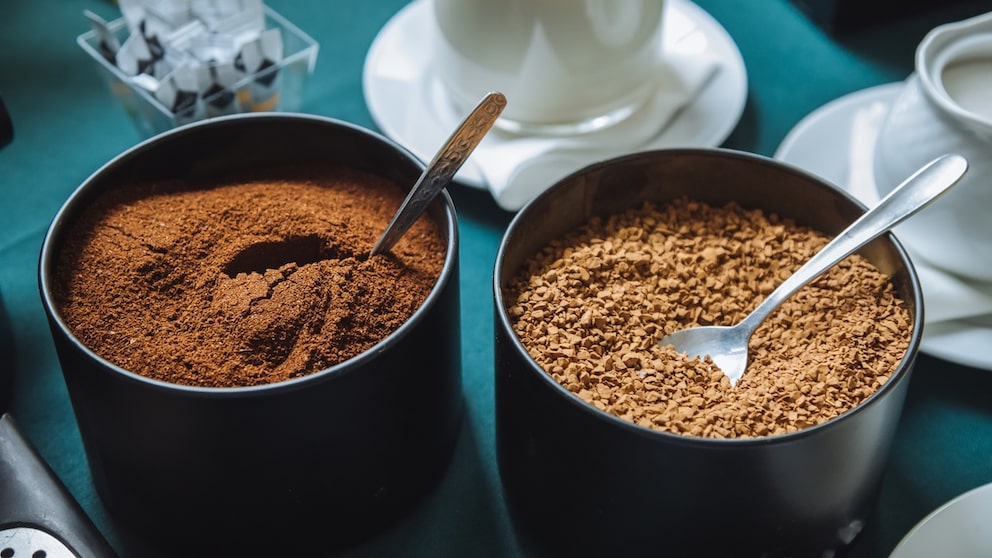
Coffee is a staple in the daily routine for many people. But does it make a difference in biological aging whether you drink filter coffee or instant coffee? A large analysis from the UK Biobank suggests that the method of preparation might indeed play a role.
Filter Coffee with Benefits
The researchers wanted to find out if different coffee preparations are associated differently with biological aging. They compared instant coffee, filter coffee, and other types of coffee. The results were published in the journal “npj Science of Food.”
It was found that filter coffee was linked to biomarkers indicating slower biological aging. In contrast, instant coffee showed the opposite association. Other types of coffee did not have a statistically significant relationship with the aging markers studied.
Also interesting: 3 to 5 cups daily–how coffee affects the gut and mood
How the Study Was Conducted
For the study, researchers analyzed data from 49,414 participants in the UK Biobank, a large British health database. The average age was 56.4 years, and 44.3 percent of the participants were women. Participants reported which type of coffee they predominantly drank and how many cups they consumed daily.1
The researchers then compared these reports with three established biomarkers of biological aging, which reflect both cellular and general aging processes in the body. To minimize the influence of other factors, they considered age, gender, smoking, alcohol consumption, physical activity, body mass index, and additives like milk or sugar in the coffee. The study aimed to determine if different coffee preparations are associated differently with biological aging.

In These Individuals, Drinking Three to Four Cups of Coffee Daily Slows Biological Aging
Who Should Avoid Instant Coffee–and Why
The Dose Makes a Difference
The more instant coffee consumed, the stronger the indications of accelerated biological aging. Conversely, a dose-dependent relationship was observed with filter coffee: As consumption increased, the aging markers were generally more favorable. The extent is interesting: While instant coffee only minimally accelerated aging, the protective effect of filter coffee was significantly more noticeable.
Telomere length, a commonly used marker for the biological aging of cells, also supported this association. Filter coffee was linked to longer telomeres, while instant coffee was associated with shorter ones (shorter telomeres indicate faster aging).
Additional analyses showed that the results remained consistent even when participants with cardiovascular diseases, cancer, or diabetes were excluded. Factors like sugar, sweeteners, milk additives, decaffeinated coffee, or total calorie intake hardly altered the observed associations. Moreover, the data suggest that inflammatory and metabolic processes might be involved: The markers GlycA (an inflammatory marker in the blood), Cystatin C (a marker for kidney function), and basal metabolic rate explained part of the observed associations.
Strengths and Weaknesses of the Study
The strengths of the study include the large number of participants, the use of extensive UK Biobank data, and the consideration of numerous potential influencing factors. Additionally, the researchers assessed biological aging using several established biomarkers.
As it is an observational study, causal relationships cannot be proven. Furthermore, the coffee consumption data is based on self-reports from participants and may be inaccurate. Despite statistical adjustments, other unrecorded influencing factors could have affected the results. Additionally, the study population consisted almost exclusively of people of European descent, limiting the applicability to other population groups.