

January 30, 2026, 5:01 pm | Read time: 3 minutes
A classic in bodybuilding–often underestimated in the gym, yet extremely helpful in everyday life: Face pulls train muscle groups that many neglect but are important for posture and shoulder health. Why men, in particular, should incorporate this exercise and why it suits every training level, you will learn here.
Proper Execution
Assume Position
- Set the cable tower to chest to upper chest height and attach a rope to the carabiner. Grip the rope ends with a neutral grip (thumbs pointing toward each other) so that your hands can reach about chin height.
- Take one or two steps away from the cable tower until the rope is already under tension. Keep your upper body upright and your core engaged. Slightly pull your shoulder blades back and down without arching your back.
Variation A: Standing
Stand with your feet about hip to shoulder-width apart. For more stability, you can place one foot slightly forward.
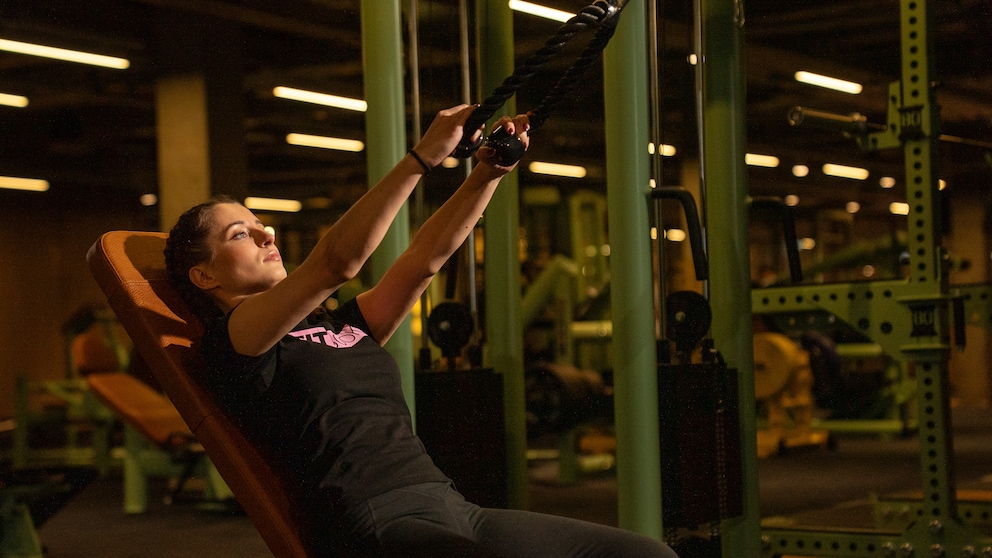
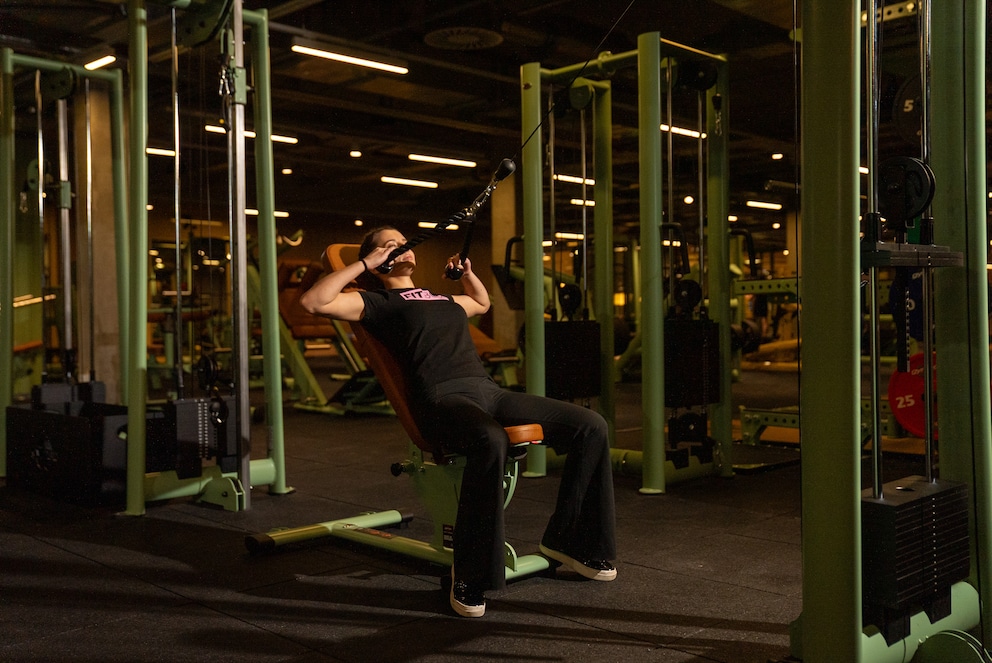
Variation B: With Inclined Bench (FITBOOK Recommendation)
FITBOOK recommends using a bench if possible: It provides a more stable position, reduces torso swing, and allows the rear shoulder, external rotators, and upper trapezius to work more isolated.
Movement Sequence
- Start from the extended starting position with slightly bent arms. Initiate the pull by guiding your elbows outward and upward–you are leading the way for the rope. Pull the rope in a controlled manner toward your face, ideally until your hands are about at cheek/temple height.
- In the end position, your shoulder blades are slightly drawn together, your chest remains calm, and your neck is relaxed. Hold the position briefly without raising your shoulders to your ears.
- Then slowly and controlled return the rope until your arms move forward again. The tension remains constant throughout–the weight is not “dropped.”
Breathing: exhale when pulling in, inhale when returning in a controlled manner.
Why the Exercise is So Beneficial
Targeted Muscles
Face pulls primarily target the rear shoulder, specifically the rear deltoids, and areas of the upper back. The rotator cuff is also engaged, which is essential for shoulder rotation. Other muscles, such as the biceps, work secondarily. Overall, the exercise trains multiple muscle groups crucial for a stable and healthy shoulder.
Shoulder-Friendly and Effective
In the fitness community, rear delt training is often mentioned alongside terms like “3D shoulders” or “cannonball shoulders.” Besides the health benefits, the shoulder appears rounder and more complete when the rear shoulder is consistently trained. When performed correctly, the exercise is also considered relatively joint-friendly because it uses moderate weight and constant tension. It also pays off in training when the upper back remains more stable–such as in pressing exercises like bench press or shoulder press.
Also interesting: Why you should perform bench presses with dumbbells instead of a barbell
Why Men Especially Benefit
Men, in particular, benefit from face pulls because their training often focuses heavily on pressing movements. Many primarily train the chest and front shoulder, while the rear shoulder muscles and upper back are often neglected. This imbalance can eventually lead to rounded shoulders, neck tension, or an unstable shoulder.