

November 27, 2025, 10:03 am | Read time: 3 minutes
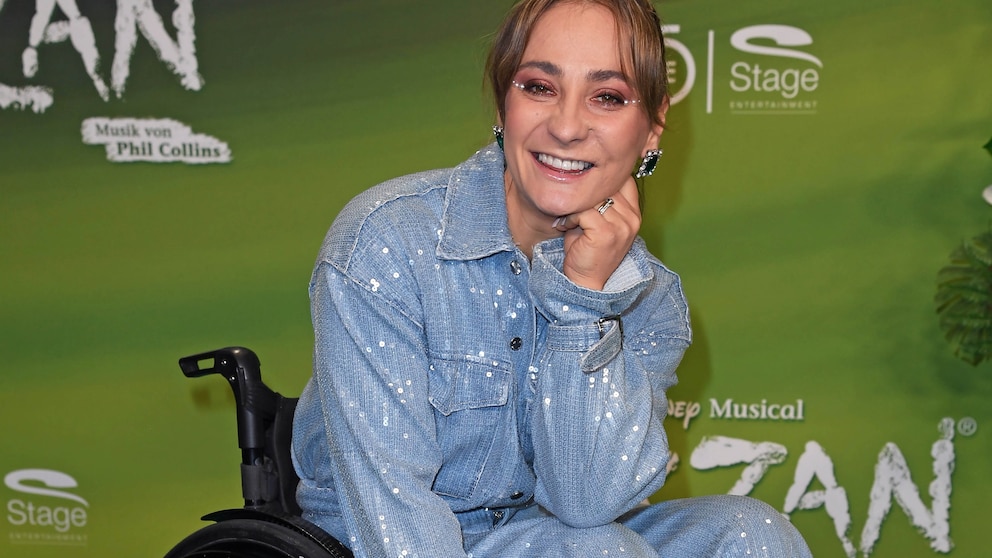
In 2016, Kristina Vogel celebrated the greatest success of her professional track cycling career with an Olympic victory. Since 2018, she has been paralyzed from the waist down and uses a wheelchair following a training accident. FITBOOK met the 35-year-old at the “European Fitness Award” in Berlin and spoke with her about what sports mean to her today and why there is still much to be done regarding inclusion and accessibility in the fitness world.
Kristina Vogel can no longer ride a bike today, but that doesn’t mean sports no longer play a role in her life. Quite the opposite! “As a competitive athlete, sports were my life back then because I earned money and wanted to achieve success. Today, fitness means independence to me. Because if I’m fit, I can navigate the world—which is not barrier-free and inclusive—better. I can essentially ‘work out’ or ‘climb over’ many obstacles. Fitness means gaining independence for everyday life,” she revealed in the FITBOOK interview.
“I Love Trying New Sports
Strength training is a great help to her, but Kristina Vogel doesn’t limit herself to it. “I go to the gym a lot, but I also love trying out every sport,” she said. “I was a cyclist and loved it. Now I find it exciting to see what others find so great about their sports. So you can take me anywhere, I’ll try everything and have fun with it.”

Ralf Moeller, Katarina Witt, André Schürrle: Sports Stars Celebrate the European Fitness Award
“My Tips for an Effective Home Workout You Can Stick With”
Gyms Are Not Really Accessible
To complete her strength training, Kristina Vogel enlisted the help of a personal trainer and created her own gym. She emphasized: “When you ask if gyms are accessible, unfortunately, the answer is more often no than yes. I’ve heard the most absurd theories on social media about why people with disabilities supposedly can’t go there—such as fire safety. They say you couldn’t rescue them in an emergency. So, rather than including them, they are excluded, and that’s really a shame.”
“Yes, I Have a Disability, but I Can Still Do Sports”
The 35-year-old suspects that the lack of effort to provide better access to gym and sports offerings for people with disabilities stems from the widespread misconception that they couldn’t participate in certain sports anyway. She wants to dispel this misconception: “Yes, I have a disability, but I can still do sports. And you can see it with the Paralympic athletes, how amazing they are and what they can do. How fast and good they are! Many average people out there could learn a thing or two from them.”