

August 9, 2026, 4:01 pm | Read time: 5 minutes
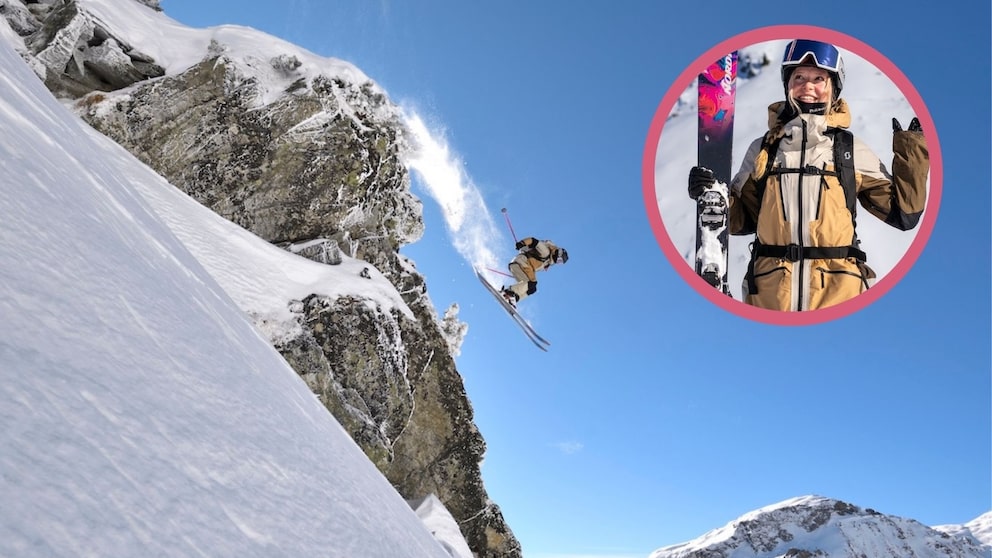
If you regularly ski, you might have noticed them: athletes skiing off-piste, jumping with skis or snowboards in untouched snow, and performing impressive tricks. This is called “freeriding.” Off-piste skiing will officially become part of the Winter Olympics in 2030, making its debut at the 2030 Games in France. In July 2026, the International Olympic Committee (IOC) confirmed the inclusion of the discipline in the Olympic program. One athlete likely to compete is Jana Häusl. The 17-year-old Austrian is a double junior world champion and shared insights into her training and preparation with FITBOOK in an interview.
FITBOOK: Freeride is becoming an Olympic discipline. How does that feel for you?
Jana Häusl: “I see this as very positive. With freeride becoming Olympic, the sport is gaining a whole new level of attention, and athletes are receiving more recognition for their achievements. I hope this will also lead to more support for the sport.”
Even the Parents Were Freeriders
Your parents, Geli and Stefan Häusl, were successful freeriders themselves. Was your path predetermined?
“I wouldn’t say that, no. Of course, I grew up in a sporty environment and was introduced to skiing very early, but there was never any pressure or specific expectations from my parents. I originally started with alpine skiing and was an alpine racer until I was 15. I thought for a long time that I would pursue that path, but then I discovered freeride for myself. The community was so positive and familial that I immediately felt at home, and that’s how I stayed with freeride. The fact that my parents were freeride athletes themselves only plays a role in that my dad trains me. I’m also at the Schigymnasium Stams. Together, we’re a good team.”
What does a typical day at the Schigymnasium look like?
“In winter, we have afternoon school twice a week and training in the morning. That means I get up early and prepare myself. Then I go to the Arlberg for training, have lunch, and later go to school. That’s pretty much how the whole winter goes. If there’s good snow, I sometimes stay a bit longer at the Arlberg, and the Schigymnasium is very understanding about that.”
What role does nutrition play in freeride? Do you have to pay attention to anything specific?
“A good breakfast can work wonders. I prefer to eat eggs or porridge in the morning. It gives me good energy, and I don’t have to eat again right away. It might not be as crucial as in some other sports, but nutrition is definitely not unimportant. A healthy diet that covers all nutrient areas is great!”

What I Learned About Mental Strength and Fear of Death During My Alpine Crossing

Louisa Lippmann: “I Listen to My Body Much More Now”
This Is What Jana Häusl’s Training Looks Like
What does your summer training look like?
“I’m currently in New Zealand. There’s snow here now, so I can practice new tricks and ski. The snow here is perfect for that because the whole ski area is avalanche-secured. At home in Austria, it’s not, so I always have to check the avalanche danger first in the morning. There’s a lot of fresh snow here right now, where you can practice new jumps and tricks. The older the snow gets, the harder it becomes. Then you might have a new idea in mind but can’t execute it. With fresh snow, we just try; you don’t always land cleanly, but that’s part of it. Otherwise, my training plan is structured so that I ski more, practice tricks and jump techniques, or incorporate more strength training, depending on the season.”
What does your off-piste training look like?
“That’s not so easy to say. Spontaneously, I would say: the legs. But even without a strong core, you can’t jump well, and you need strong arms to execute the tricks cleanly. The tension starts at the top of the body. If that’s not right, strong legs and jumping power won’t help you.”
Freeride is a real spectacle for spectators. One wrong move and the athlete falls. How do you switch off fear in freeride?
“I don’t have fear. I prefer to speak of respect—and that’s completely okay. Especially when I’m practicing new tricks, I have great respect for them. That’s why I work with a mental coach and have adopted a few small rituals. When I have particularly great respect for something, I put my mouthguard in and tell myself: ‘Now I can do this!’ That has always helped so far. I say the words out loud, hear them myself, and know: I can do this. Before competitions, I do it quite similarly. I tell myself every time in self-talk: ‘I got this!'”
Advice from the Freerider for Those Interested in the Sport
At 17, you are already a two-time junior world champion. What advice do you have for other young riders who now dream of professional sports with the Olympic perspective?
“I would first recommend a good and solid ski education. That’s the foundation for everything else. Of course, you should go skiing off-piste. Otherwise, I would say: push yourself, believe in yourself, and, of course, don’t do anything reckless. I would get a coach for practice; it’s safer because it’s ‘guided training,’ and the coach can assess what you can and can’t do. If you’re not ready for a trick yet, it’s otherwise very dangerous. More and more coaches are joining freeride right now—I think that’s great!”
Have you already marked February 1, 2030—the start of the Olympic Games—in red on your calendar? If so, is it more pressure or anticipation?
“Looking back, I’ve wanted to participate in the Olympic Games since I was little. There’s a bit of pressure, of course. When it was clear that freeride was now an Olympic discipline, I was immediately on the cover of an Austrian newspaper with the headline: ‘Jana Häusl is a medal hope.’ At first, I thought, ‘Oh!’ but then I realized that it’s quite a privilege when other people see me that way and recognize my work.”