


September 24, 2025, 9:08 am | Read time: 6 minutes
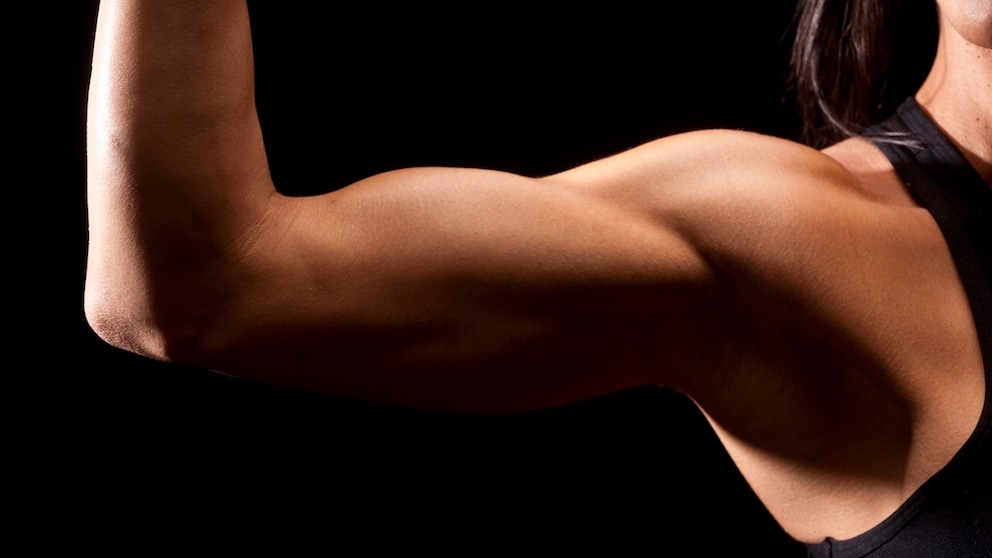
No expensive gym membership, no heavy weights, no excuses–I’m a big fan of bodyweight training. All you need is a few square feet of space, motivation, and your own body weight, and your body becomes the gym. Below, I’ll share the bodyweight exercises I use to train my arms.
While my legs and glutes are fairly strong and in good shape thanks to countless lunges and squats, I’ve long avoided arm training: too strenuous, too boring, and who really needs arm muscles anyway …
Until I discovered my five favorite exercises. These not only build functional strength that you feel in everyday life but also shape the arms, shoulders, and upper back in a way that can only be achieved with bodyweight. The exercises I prefer are effective, versatile, and fit perfectly into any bodyweight routine. I rarely train my arms in isolation, instead integrating them into a full-body workout. This way, no extra training is needed, and it meets my needs completely.
The Mother of All Core Exercises: The Plank
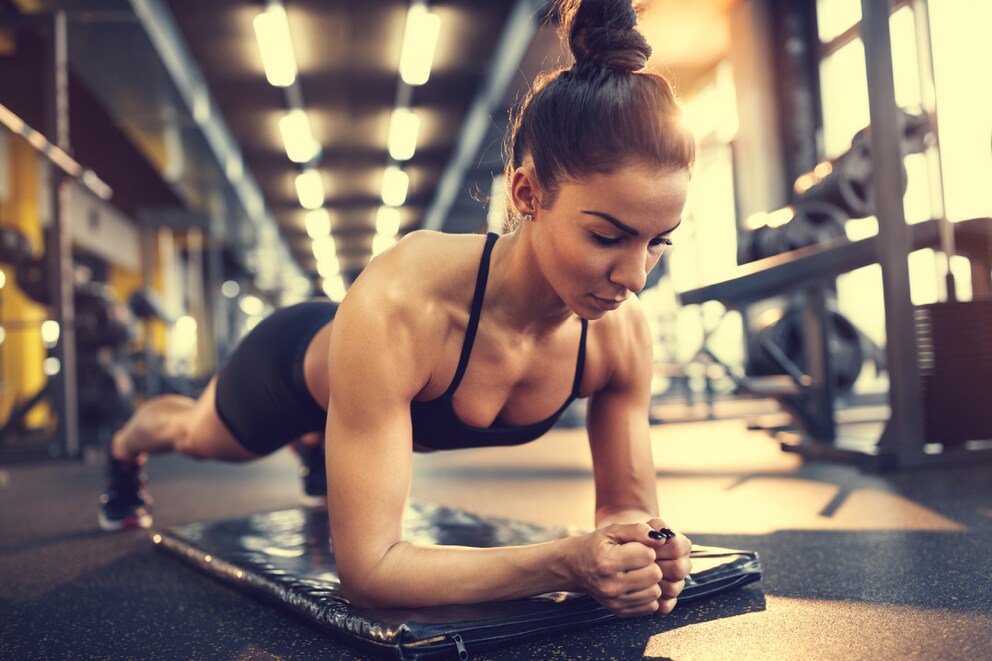
The plank, or forearm support, is my absolute go-to for any upper body workout. It may look simple, but it’s quite challenging. It requires not only arm strength but also immense body tension. For me, it’s the ultimate test of stability. When I feel strong in the plank, I know the rest of the workout will go well. I like to use it as a warm-up, a transition exercise between two other exercises, or simply as a finisher when I have only a few minutes left.
Lie on your stomach and support yourself on your forearms. Your elbows should be directly under your shoulders. Lift your body so that it forms a straight line from shoulders to heels. It’s important that your back doesn’t sag and that you tighten your abdominal muscles. Hold the position for a set time, such as 30 or 60 seconds.
In addition to the abs and back, the forearm support also trains the arm, shoulder, and chest muscles. This bodyweight exercise is a true all-rounder and is therefore ideal for a workout focused on the arms.
The Dynamic Sister: Up and Down Plank
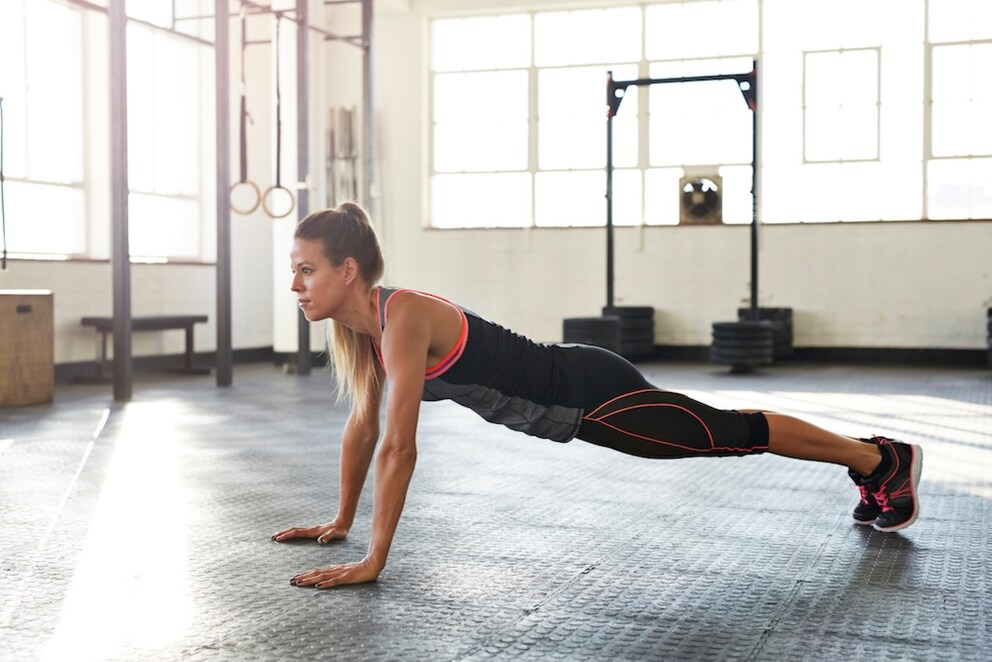
Once I’m warmed up in the plank, I like to move on to the dynamic version: the up and down plank. This exercise is like an evolution of static holds and adds a good dose of dynamism to the workout. You not only feel your arms and shoulders working but also how the core and stability are constantly challenged anew. It’s a great exercise to break a sweat and increase heart rate.
Start in a plank position on your forearms. Push yourself off the ground one hand at a time and extend your arm until you’re in a push-up position with straight arms. Then return to the plank position in the same order by bending one arm and then the other. Repeat the movement, alternating which hand you lead up first.
I like to do this exercise for a minute straight, as it’s much more effective than the static version.
The Classic: Push-ups
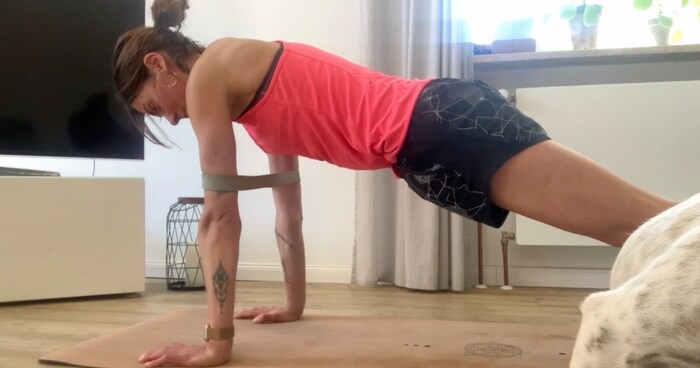
Push-ups are the be-all and end-all when it comes to functional upper body strength. They’re included in almost every bodyweight workout for a reason. I find them so effective because they train not only the arms but also the chest and shoulder muscles. I still remember how difficult my first push-up was. But with patience and practice, I was able to improve step by step. If you don’t have enough strength at the beginning, just start on your knees. This is also a very effective workout that gradually builds muscle.
Get into the push-up position, with your hands shoulder-width apart or slightly wider. Your body should form a straight line from head to toe. Lower your body slowly until your chest almost touches the ground, then push yourself back up with full force.
For the Triceps: Dips on the Floor or Chair
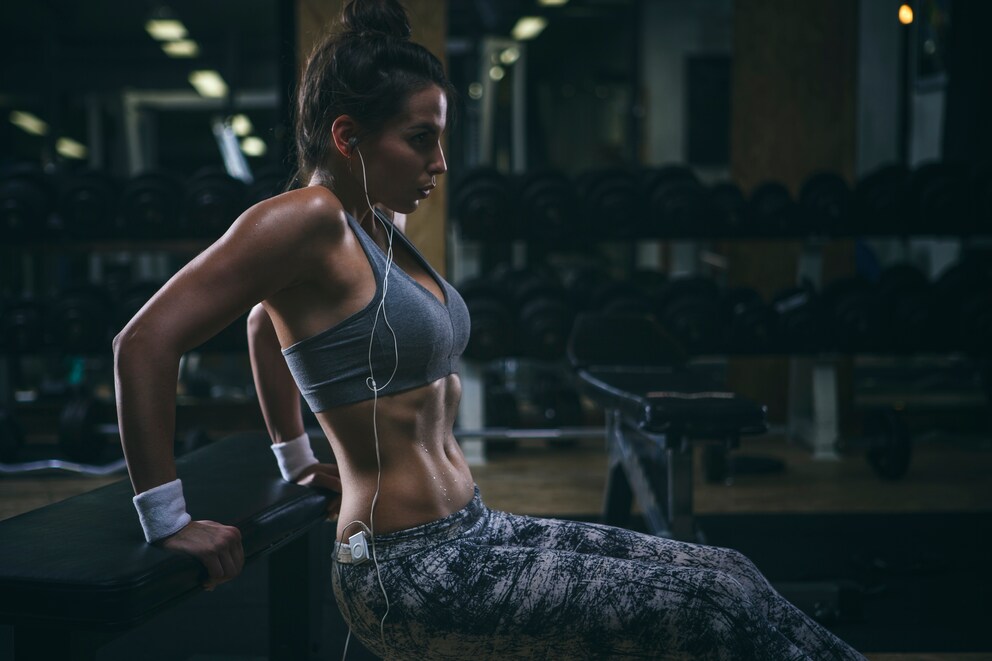
When it comes to targeted triceps training, dips are my personal secret weapon. They’re extremely effective, and you immediately feel the muscles at the back of your upper arms working. You can do them either on the floor or for a greater range of motion at the edge of a chair, bench, or bed. I personally love dips because you can do them anywhere. A chair is always available.
Sit with your back to a stable chair. Grip the edge of the chair with your hands, fingers pointing forward. Slide your hips off the edge of the chair and lower your body until your arms form a 90-degree angle. Then push yourself back up using the strength of your triceps.

8 Alternatives to Push-Ups That Target the Same Muscles
Sphinx Push-up: The Bodyweight Exercise for Stronger Triceps
The Royal Discipline: Triceps Push-ups
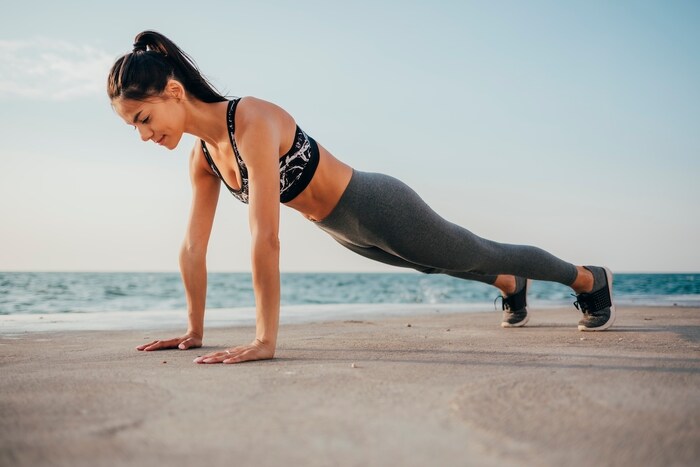
Triceps push-ups are very effective for defining and strengthening the upper arms. They’re more challenging than regular push-ups, but the results are worth the effort. The close grip isolates the triceps and makes the exercise one of the best for training it. I do this bodyweight exercise when I need a quick and targeted boost for my arms.
Start in the push-up position, but keep your hands close together, directly under your chest. Your body should form a straight line. Lower your body and keep your elbows close to your body. Then push yourself back up powerfully.
I try to do as many repetitions as possible, usually between 8 and 12 per set.
My Training and Conclusion
The exercises described are a regular part of my training, which I usually do twice a week. After each workout, I seem to notice my arms getting stronger. Maybe it’s just my imagination, but I’m pretty sure I can perform the exercises more cleanly now.
Sometimes it’s not the fancy equipment at the gym but the simple classics that make the biggest difference. And let’s be honest: There’s hardly a more satisfying feeling than getting your body in shape using–well–your own body.