

January 16, 2026, 8:04 pm | Read time: 3 minutes
Targeted training of the adductors improves the stability of the hips and pelvis and can counteract muscular imbalances in everyday life and sports. The adductor machine allows for controlled and well-dosed training–provided it is used correctly.
Follow the FITBOOK channel on WhatsApp now!
The Correct Execution
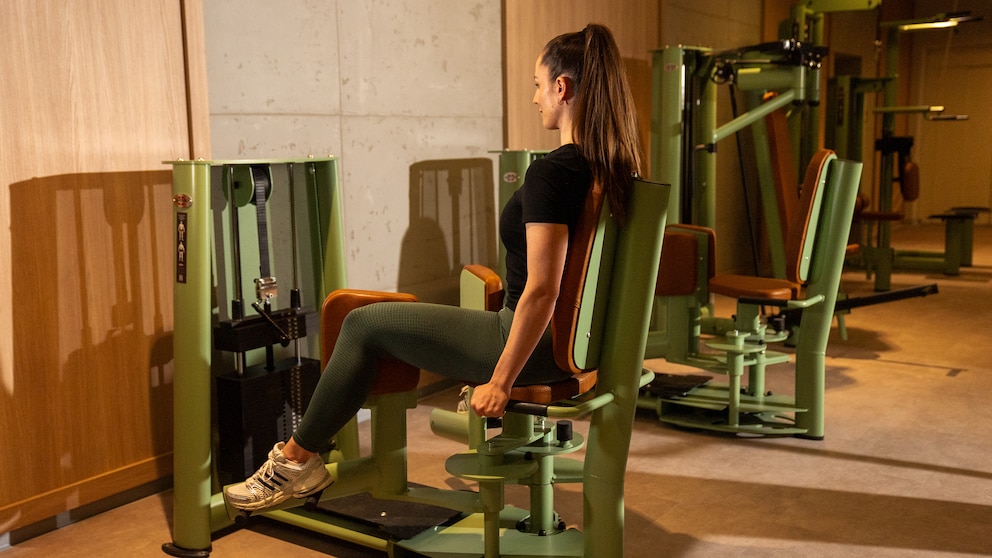
Assume Position
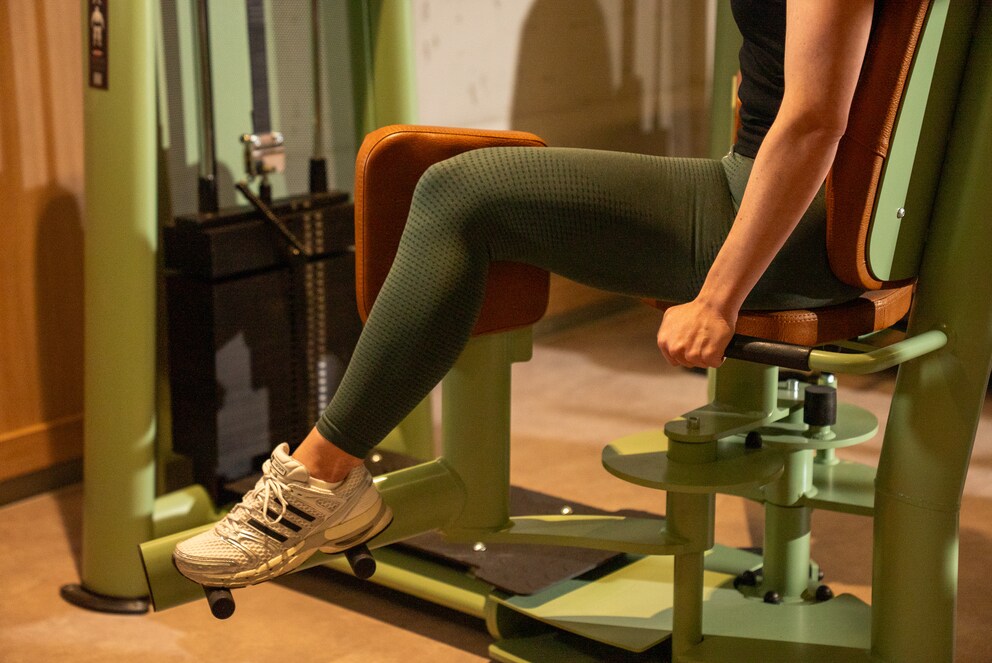
- The insides of your thighs press against the padding of the machine, with the knees and the front part of the thighs touching the pad.
- The thighs are parallel to the ground, and the thighs form at least a 90-degree angle with the lower legs.
- The spine should ideally be in a neutral position.
- Adjust the leg supports outward so that your inner thighs are significantly stretched without discomfort.
Movement Sequence
- The movement is initiated from the hips in a controlled manner by slowly bringing the legs inward against the resistance of the machine. The force comes specifically from the inner thighs, without momentum or jerky movements.
- In the end position, the leg pads are briefly brought together without slamming them. The tension in the muscles is maintained for a moment.
- Then slowly and controlled, move the legs back outward until the starting position is reached. Even in the backward movement, muscle tension is maintained; the weights are not fully rested.
- Breathe calmly and evenly throughout the exercise: exhale when bringing the legs together, inhale when moving them outward in a controlled manner. The upper body remains stable, and the back maintains its upright, neutral position.
Why Training on the Adductor Machine Makes Sense
Whether you’re a desk jockey or an athlete, training the adductors always makes sense. This muscle group plays a central role in the stability of the hips and pelvis. The adductors are located on the inner thigh and run from the pelvis (pubic bone) to the inner thigh bone. Strengthened muscles can positively impact movement efficiency and physical performance and, under certain conditions, reduce the risk of groin issues, especially in soccer. In everyday life, such as walking, climbing stairs, or sitting for long periods, well-trained adductor muscles can also be beneficial.1, 2, 3, 4