


August 31, 2022, 4:03 pm | Read time: 7 minutes
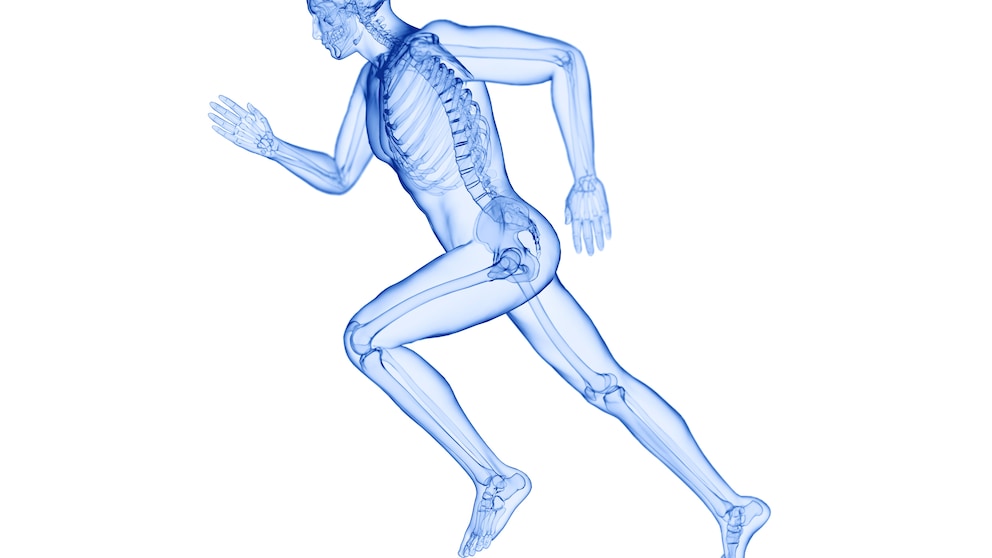
By age 30, we reach our peak bone density. Then, the decline begins. How strong and healthy our bones remain into old age largely depends on how well we have nourished ourselves in our younger years.
FITBOOK reveals which foods are good for your bones and help ensure a resilient skeleton.
Overview
Tofu for Calcium
Calcium is the most important building block for bones. Almost everything we consume through food goes directly into our skeleton. Many people have been taught from a young age that we can only meet our calcium needs with dairy products. Not true! Tofu contains almost three times more of this essential mineral than the much-praised milk, with 350 milligrams per 100 grams. This means the daily requirement of 1,000 milligrams can be met with just one soy cutlet. Good news for all vegans. Because trying to meet the need solely with calcium supplements has its pitfalls. A 10-year study with 1,567 people found that high calcium intake from food reduced the risk of heart disease overall, while calcium supplements increased the risk of heart disease by 22 percent.1
Also interesting: Calcium deficiency–causes, symptoms, and treatment
Pumpkin Seeds for Magnesium
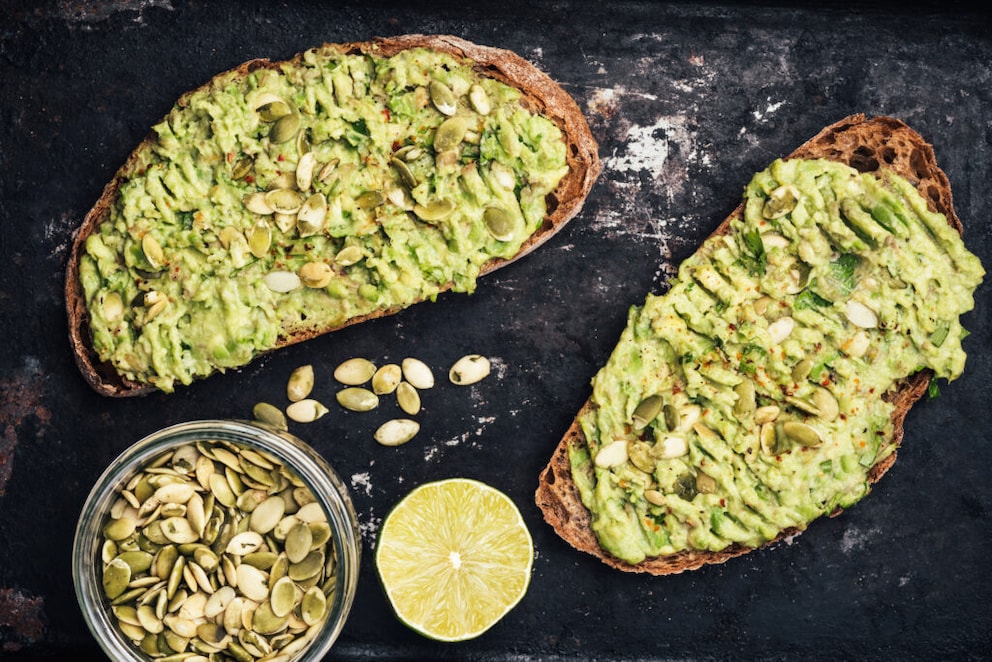
For calcium absorption to work smoothly, the body also needs enough magnesium. In fact, there are hardly any foods that do not contain magnesium–even if only in small amounts. Pumpkin seeds, with 403 milligrams (against a daily requirement of 300 milligrams) per 100 grams, overshadow almost everything. Women, in particular, should ensure they get enough magnesium, as numerous studies have shown. A study with 73,684 postmenopausal women found that those who were optimally supplied with magnesium throughout their lives had an average bone density 2 to 3 percent higher.2 That may sound like a small amount, but in the event of a fall, it can make the difference between a fracture and no fracture.
Also interesting: These symptoms may indicate magnesium deficiency
Sun (or a Vitamin D Supplement)
But having enough magnesium alone is not enough. Calcium also needs vitamin D to ensure it actually gets into the bones. Official recommendations are for 800-1,000 IU (international units) of vitamin D per day. In the height of summer, this is no problem, as our bodies can produce enough of it thanks to the most important food of all–the sun–provided we go outside. In winter, the sun’s rays are not strong enough, so we have to rely on supplements. Unfortunately, nature has arranged it so that the vitamin D content in foods is rather low. Vitamin D deficiency is a nearly global problem, affecting at least one billion people. The high rate of rickets in children (softening and deformation of bones) due to this deficiency is also alarming, as noted in a 2008 study.3
Also interesting: What do vitamin D supplements do for bone health?
https://oembed/fitbook/affiliate/a4e783b3c09c51729cd483598616808a15e94f1fb8660266bba94f78cc744b6b/900b495e-d27d-429e-892a-029abf95d223/embed
Swiss Chard for Vitamin K
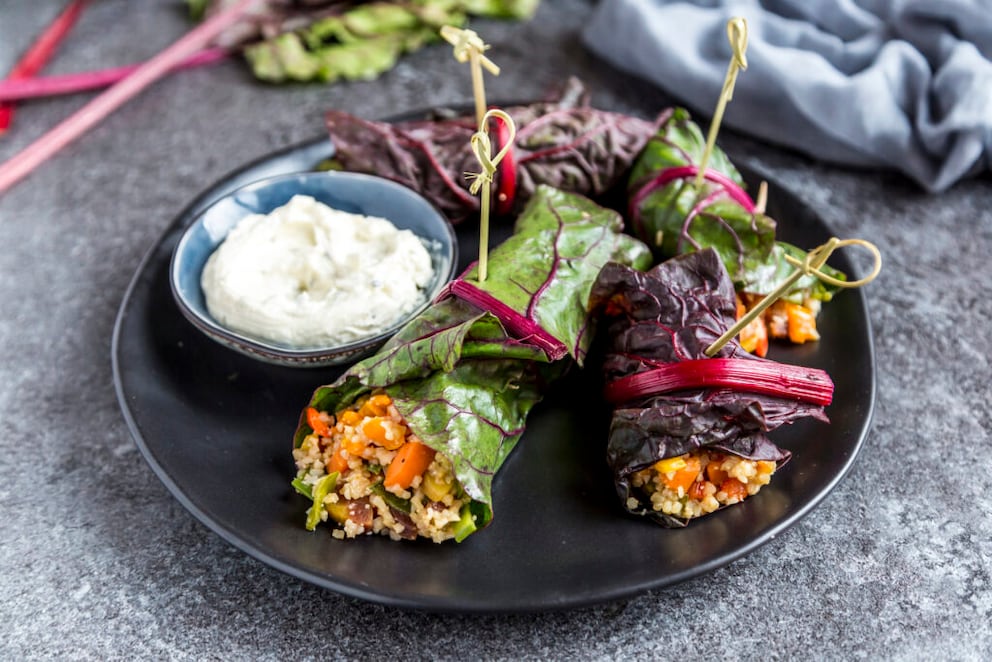
Research on bone health is a great example of how no single nutrient is responsible for everything; rather, it depends on the perfect interplay of several components. Vitamin K2, which primarily aids blood clotting, seems to be essential for a healthy bone metabolism in conjunction with vitamin D. The exact reason is not yet fully understood. However, those taking vitamin D supplements might benefit from additional vitamin K. It is debated whether this could potentially prevent vascular calcification. Swiss chard should not be missing from the list of bone-friendly foods: It is a true vitamin K powerhouse with 414 µg per 100 grams. This means the daily requirement of 60 µg can be met with just a few bites of this leafy green.
Also interesting: Vitamin K–daily requirement, function, and symptoms of deficiency
Flaxseed Oil for Alpha-Linolenic Acid
It’s normal for bone density to decrease with age. However, some substances can measurably slow down this inevitable process. Alpha-linolenic acid (ALA)–a valuable omega-3 from plant sources–has proven particularly promising in many studies on osteoporosis (bone loss). Flaxseed oil is by far the largest source of alpha-linolenic acid (55 grams per 100 grams), whose impact on bone health was demonstrated in a 2009 study by Cairo University.4 Incidentally, flaxseed oil is also an excellent source of vitamin E. Our most important cell-protecting vitamin naturally benefits bone cells as well. Just one tablespoon of flaxseed oil per day is enough (but be careful: never heat it!)–a top food for bones.
Also interesting: 8 foods that are said to be good for the brain
Oysters for Zinc
For the body to provide new cells for bone formation, it must also take in enough zinc. Studies have shown how important this trace element is for bone growth in children and adolescents, as well as for maintaining bone density in older adults.5 The average daily requirement for zinc is 10 milligrams. 100 grams of oysters contain a whopping 22 milligrams, making them the most zinc-rich food and a true treat for the bones. For vegans, hemp seeds are an excellent source of zinc. One of the few superfoods that truly deserves its hype, it is full of valuable amino acids that support muscle building and also has an excellent ecological balance.
Also interesting: 6 plant-based protein bombs that have more protein than eggs

Minerals: Types, Functions, and Requirements

What Breastfeeding Mothers Should Consider in Their Diet
Red Wine–a Glass in Honor
And now a delightful message to end on: Moderate red wine consumption–that is, the famous glass in honor–can apparently have a positive effect on bone mineral density. This effect is attributed to resveratrol, a natural compound found in red wine and red grapes. A 2014 Danish study concluded that resveratrol works so well that it could play a significant role in the development of new osteoporosis medications.6 Another study found that women who responsibly enjoyed red wine after menopause had up to 8 percent higher bone mineral density than their abstinent peers.7 In this sense: cheers! (We explicitly note that we do not wish to encourage or promote alcohol consumption).
Sources
- 1. Anderson J.J.B., Kruszka B., Delaney J.A.C. et al. (2016). Calcium Intake From Diet and Supplements and the Risk of Coronary Artery Calcification and its Progression Among Older Adults: 10‐Year Follow‐up of the Multi‐Ethnic Study of Atherosclerosis (MESA). Journal of the American Heart Association.
- 2. Orchard T.S., Larson J.C., Alghothani N. et al. (2014). Magnesium intake, bone mineral density, and fractures: results from the Women’s Health Initiative Observational Study. The American Journal of Clinical Nutrition.
- 3. Gordon C.M., Feldman H.A., Sinclari L. et al. (2008). Prevalence of Vitamin D Deficiency Among Healthy Infants and Toddlers. JAMA Network.
- 4. Elwassef M., Anwar M., Harvi M. et al. (2009). Impact of feeding flaxseed oil on delaying the development of osteoporosis in ovariectomised diabetic rats. Insider Science Online.
- 5. Mahdavi-Roshan M., Ebrahimi M., Ebrahimi A. (2015). Copper, magnesium, zinc and calcium status in osteopenic and osteoporotic post-menopausal women. Clinical Cases in Mineral and Bone Metabolism.
- 6. Ornstrup M.J., Harslof T., Nordstrom T et al. (2014). Resveratrol Increases Bone Mineral Density and Bone Alkaline Phosphatase in Obese Men: A Randomized Placebo-Controlled Trial. The Journal of Clinical Endocrinology & Metabolism.
- 7. Tucker K.L., Jugdaohsingh R., Powell J.J. et al. (2009). Effects of beer, wine, and liquor intakes on bone mineral density in older men and women. The American Journal of Clinical Nutrition.