


August 25, 2025, 2:50 am | Read time: 5 minutes
Mosquito bites are usually harmless, but the itching can be annoying. Quick relief is needed–and the list of supposedly soothing home remedies is long. FITBOOK editor Melanie Hoffmann had an expert explain what really works and what to watch out for.
Follow the FITBOOK channel on WhatsApp now!
Why Do Mosquito Bites Itch?
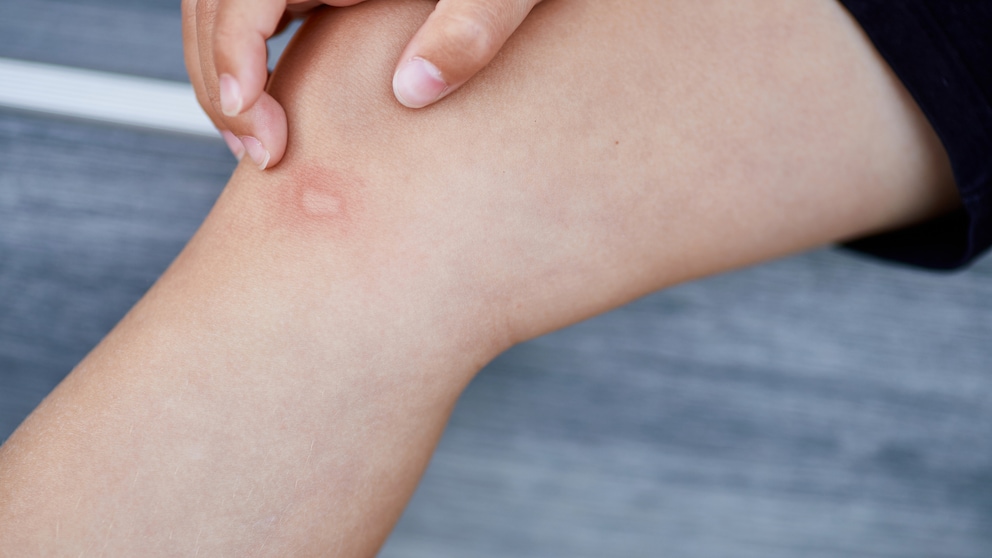
When a mosquito bites, not only does its proboscis penetrate the skin, but it also injects saliva into the tissue. This saliva contains various proteins that your immune system immediately recognizes as foreign. In response, your body releases histamine.
Histamine is a natural messenger that, among other things, dilates blood vessels and causes fluid to leak into surrounding tissue. This allows defense cells to reach the bite site more quickly. At the same time, typical reactions occur: The area becomes red, swells, feels warm, and starts to itch. The itch is simply a side effect of your immune system trying to neutralize the foreign substance. In some cases, this reaction can be stronger and resemble an allergic reaction. Quick relief can be provided by an antihistamine gel or a bite healer.1
Why Can Welts Form–and When Should You See a Doctor?
The allergic reaction varies in intensity. It can lead to the formation of welts, among other things. In the worst case, the allergy manifests as nausea, dizziness, cold sweat, or heart palpitations. In serious cases, cardiovascular problems occur. At that point, you should see a doctor.
Also interesting: How prevalent is the plague today–and how can you recognize the disease?
What Makes the Bite of the Black Fly So Dangerous?
What Helps with a Wasp Sting–and How to Recognize an Allergic Shock
What Helps with a Mosquito Bite? These (Home) Remedies
Fortunately, such severe allergic reactions are rare. In most cases, mosquito bite symptoms are limited to itching, which can be very uncomfortable. The most important thing first: Don’t scratch! This can allow bacteria to enter the wound and bloodstream, potentially leading to infection and, in the worst case, blood poisoning.
So what effectively helps against itchy mosquito bites? While some people apply saliva to their bite, others swear by cold or heat treatments. FITBOOK had dermatologist Dr. Timm Golüke explain the treatment options with (home) remedies.
Saliva
You’re out and notice an annoying mosquito bite. So just a little saliva on it and the problem is solved? Actually, not a bad idea, as Dr. Golüke explains to FITBOOK: “Saliva can at least temporarily relieve the itch when it evaporates on the skin. The same effect can be achieved with lukewarm water.”
Heat
Speaking of lukewarm water, heat is also known to relieve itching from mosquito bites. It’s no wonder there are heat pens specifically designed for mosquito bites. Others skip buying such a product and use a heated spoon instead. What does our expert think? “Basically a good remedy, as the proteins in mosquito saliva break down at temperatures above about 113 degrees Fahrenheit. This reduces the itch-causing substances released by the body after the bite,” confirms the dermatologist about the effectiveness of heat. However, he warns: “Be careful with hot spoons, as leaving them on too long can cause burns.” This is not a concern with heat pens: “Most pens designed for this purpose automatically turn off.”
Cold
What works with heat also works with cold? Yes, that’s right, cold helps with mosquito bites–but only to a certain extent, explains Golüke. “It has a slight numbing effect and can also provide temporary relief, such as preventing a larger swelling.” However, the expert also advises caution here: “Always wrap cold packs in a cloth before applying them, otherwise burns on the skin may occur.”
Plantain and Yarrow
You can also turn to nature. Herbalists recommend plantain, for example. Rubbing its leaves into a firm mass between your palms and applying it is said to help with mosquito bites. And indeed: “Plantain contains anti-inflammatory and antibacterial substances as well as tannins that support wound healing,” explains Dr. Golüke. “There are now ointments available in pharmacies.” The same applies to yarrow.
Onion
Ever heard that you should press a sliced onion onto a bothersome bite? It sounds like a burning pain experience at first, but according to the FITBOOK expert, it can actually work–as first aid, so to speak. “The onion has a slight antibacterial effect and can temporarily prevent scratching.”
Ginger
Even ginger, usually popular in teas and dishes, can provide relief, as the dermatologist confirms: “Ginger has a disinfecting and soothing effect on the affected area, but only temporarily.”
Vinegar
In addition to onion and ginger, many households have another remedy that helps against mosquito bites. “Vinegar soothes, cools, and disinfects the skin. You can either drip the vinegar directly onto the bite or put it on a cloth and apply it to the bite,” explains Dr. Golüke.
3 Simple Tips to Keep Mosquitoes Away
To prevent bites in the first place, here are three tips to repel mosquitoes.2
Scent
People attract mosquitoes with their breath and body odor. Strongly scented shower gels and cosmetics can enhance the effect. So it’s better to avoid them before a meeting at the lake. Instead, use more neutral products.
Protection
Mosquito repellents smell unpleasant to insects. Common mosquito repellents usually contain the active ingredient Icaridin or DEET. While DEET is somewhat more effective, it can cause skin irritation. So it’s better to use it only in tropical areas where mosquitoes can transmit dangerous diseases. During the day, always apply sunscreen first and let it absorb for about 20 minutes–then use insect repellent.
Color
Mosquitoes can hide on dark or colorful materials–they tend to avoid light clothing. And those who wear white or beige can spot the insects more quickly. The more skin the fabric covers, the better protected the wearer is.
with material from dpa