


July 4, 2024, 6:02 pm | Read time: 6 minutes
Human papillomaviruses (HPV) are primarily known as potential causes of cervical cancer. However, men can also become infected with the viruses and develop serious illnesses as a result. Therefore, they too benefit from vaccination during childhood or adolescence. This was emphasized by health expert Dr. Nobila Ouédraogo in response to a FITBOOK inquiry.
Seventy to eighty percent of sexually active women and men become infected with HPV during their lifetime. It is a virus associated with cancer, especially cervical cancer.1 The introduction of the HPV vaccine in 2007 is considered a significant breakthrough in cancer prevention. The STIKO (Standing Committee on Vaccination) recommends the vaccine for girls aged nine to 14. What many may not know: Since 2018, there has also been a recommendation for HPV vaccination for boys in this age group.2 In fact, protection against HPV is important not only for girls and women but also for boys and men. Dr. Nobila Ouédraogo, a scientific staff member at the Cancer Prevention Unit at the German Cancer Research Center, explained more to us.
Follow the FITBOOK channel on WhatsApp now!
Overview
The Dangers of HPV
“Human papillomaviruses (HPV) are a group of viruses transmitted through sexual contact that can cause both benign and malignant diseases,” explains Dr. Ouédraogo. “In addition to cervical cancer in women, certain high-risk HPV types are associated with the development of various cancers in the genital, anal, and oral-pharyngeal areas in both men and women. Low-risk HPV types primarily cause genital warts.”

Why Boys Should Also Get the HPV Vaccine
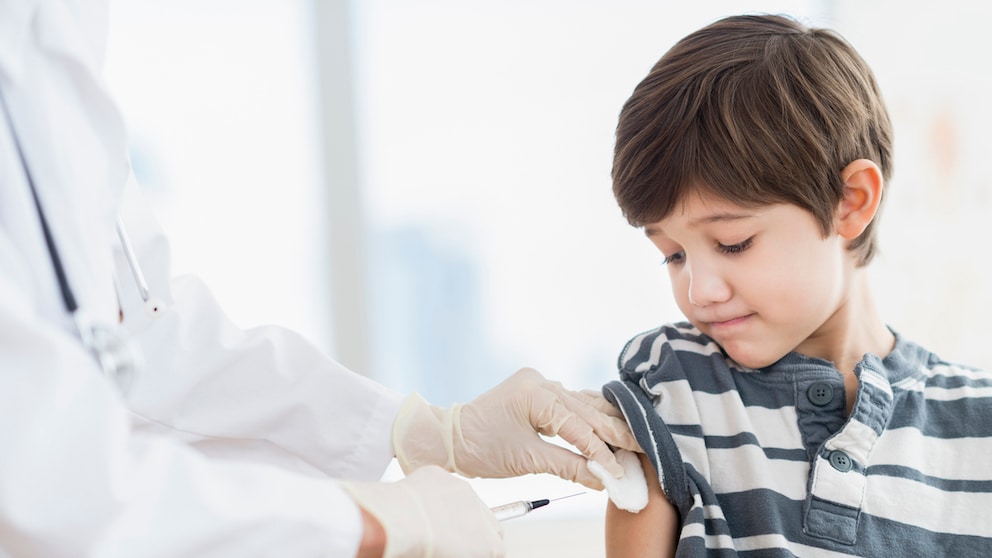
“Boys should be vaccinated against HPV infection,” the expert emphasizes to FITBOOK. “The HPV vaccine is just as important for boys as it is for girls.” It protects against a variety of HPV-related cancers such as penile cancer, anal cancer, and head and neck cancer. “Furthermore, it contributes to community protection, promotes gender equality, and offers long-term health benefits, such as reducing disease burden and preventing chronic illnesses.”
Read on STYLEBOOK, what the cancer specialist at Charité says about the HPV vaccine.
Since 2018, the HPV Vaccine Recommendation for Boys
From 2007 to 2018, the HPV vaccine recommendation was primarily for girls. Based on new scientific developments, the STIKO decided in 2018 to recommend the vaccine for boys as well.
HPV Can Also Cause Cancer in Men
“Studies have shown that HPV not only causes cervical cancer in women but also a number of cancers in men, including anal cancer, penile cancer, and certain head and neck tumors,” explains Dr. Ouédraogo.
Frequency and Protective Effect
According to the expert, research data has shown: “Men are just as frequently affected by HPV infections as women. The vaccine can help prevent these infections.”
Equal Treatment of the Genders
“The recommendation to vaccinate boys contributes to gender equality and ensures that both genders are equally protected against HPV infections and their consequences,” emphasizes the scientist. “Vaccinating both genders reduces the transmission of HPV in the population, leading to better community protection.” The goal is to reduce the spread of HPV in the overall population. A strategy that many may remember from the COVID-19 pandemic when the term “herd immunity” was widely discussed.
International Recommendations and Experiences
Other countries have set an example for Germany. Dr. Ouédraogo points out that in countries like Australia, Canada, and the U.S., the HPV vaccine was recommended for boys earlier. They followed the official recommendation of the World Health Organization (WHO), which advises HPV vaccination for both genders to effectively control HPV-associated diseases.
HPV Vaccine Is Safe
According to the expert, there is scientific and medical evidence (studies) that the HPV vaccine is effective and safe for boys. These findings supported the STIKO’s decision.
Also interesting: CEO of the German Sports Youth: »Politics must engage in sports for children

HPV Can Cause Cancer in Children–Why Many Parents React Too Late

Vaccinating Boys Could Eradicate Cervical Cancer
The HPV Vaccination Rate Among Girls and Boys in Germany
Although the HPV vaccine supports the health of both girls and boys, according to Dr. Ouédraogo, “the HPV vaccination rates in Germany are still low and need improvement for both girls and boys.” Nationwide, in 2021, about every second girl (54 percent) and every fifth boy (27 percent) aged 15 in Germany was fully vaccinated.
The data also showed “significant differences in the uptake of the HPV vaccine,” the expert explains. “Both girls and boys have the highest HPV vaccination rates in the eastern federal states.” It is lowest in Baden-Württemberg at about 41 percent and highest in Saxony-Anhalt at about 71 percent. Regarding HPV vaccination rates, other nations are ahead of Germany: “In other countries like the United Kingdom, Australia, and Sweden, vaccination rates for both girls and boys are over 80 percent.”
More Education!
Importance of Family Doctors
To increase the vaccination rate, much more education is needed, emphasizes the staff member of the Cancer Prevention Unit at the German Cancer Research Center: “To increase willingness to vaccinate, a comprehensive approach is required, including education, invitation and reminder, as well as low-threshold vaccination offers, such as in schools.”
For Dr. Ouédraogo, family doctors play a “crucial role” in education. They must actively inform their patients about the vaccine. It is, of course, important that they themselves are sufficiently informed about the effects and benefits of the HPV vaccine for girls and boys.
Doctors must educate parents and their children about the health problems HPV can cause in both women and men. Emphasizing that both genders are affected, which is why the vaccine is beneficial for both.
When to Vaccinate?
The ideal time for vaccination is before first sexual intercourse. “Since HPV is mainly transmitted through sexual contact, this ensures optimal protection.” Therefore, the STIKO recommendation is to vaccinate boys and girls between the ages of nine and 14. The vaccination costs for this age range are covered by statutory and usually private health insurance. Some insurers also cover them for 18-year-old women and men.
Those who wish to get vaccinated later in life are also well advised to check with their health insurance. It is not uncommon for coverage to be available for those over 18. Interested individuals initially pay for the vaccine themselves and can then have the costs reimbursed.3
What About Side Effects?
An important piece of information that doctors should know and convey, according to the expert: The HPV vaccine has no serious long-term side effects.
The vaccines are well-researched and considered safe. “The most common side effects are pain at the injection site, mild fever, or headaches, which usually subside quickly,” explains Dr. Ouédraogo. Additionally, there is no evidence that the HPV vaccine causes long-term health problems. Monitoring after the introduction of the vaccines has not revealed any serious safety concerns.
Finally, the expert wanted to explain that the HPV vaccine provides long-term protection against HPV-related diseases and reduces the risk of developing cancer later in life. This applies to both girls and boys.