


August 17, 2026, 6:56 pm | Read time: 9 minutes
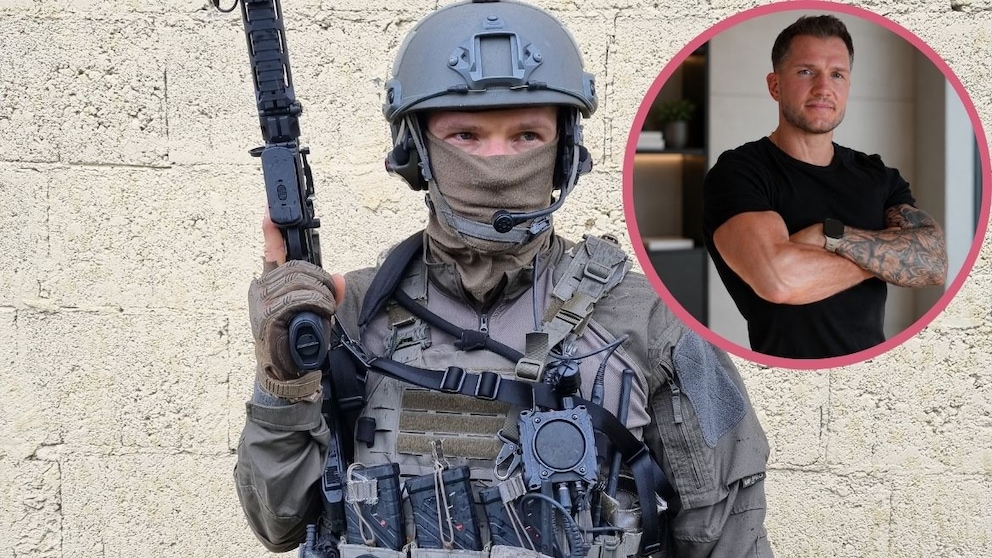
Men dressed entirely in black storm an apartment. Officers wait almost motionlessly in the dark outside until the command comes and the entire unit moves. Such scenes are mostly known from action movies. For Dominik Lehr, however, extreme situations were part of his job for almost ten years. He was a member of a special operations unit and also worked as a trainer there. Today, he applies his experiences from high-pressure situations to everyday life with his coaching concept “Always Ready.” In an interview with FITBOOK, Lehr talks about mental strength, dealing with stress—and what people can learn from training for extreme situations for their own lives.
From Special Ops Trainer to Coach for Mental Strength
FITBOOK: What does stress training look like in a special operations unit?
Dominik Lehr: “In training, there are various stress tests. A scenario is deliberately created that is physically and mentally extremely demanding. You sleep only a few hours, get little food, are physically exhausted, and still have to make tactical decisions. This is how so-called reference values are created. Those who have experienced such situations in training know in an emergency that they can remain capable under enormous pressure.”
Can you give an example?
“In a stress exercise, we had to wait an entire night in front of a simulated entry point without knowing when the operation would begin. For hours, nothing happened. Later, I stood for several hours in freezing temperatures during a real hostage situation, waiting for the go-ahead. At that moment, I knew: I had already experienced this situation in training under even more challenging conditions. That’s exactly what you train for.”
Everyday Stress Can Be the Greater Challenge
Today, you pass on your experiences with your “Always Ready” concept. You work with entrepreneurs, executives, and people under high performance pressure. Are there parallels between everyday stress and extreme stress?
“Yes, quite a few. I often explain this using a water barrel analogy. Every person has a certain stress limit. The actual stressor is often just the drop that makes the barrel overflow. Much more crucial, however, is how high the water level was beforehand. This is influenced by factors such as sleep, nutrition, exercise, relationships, or the personal environment. Those who neglect these basics start the day with an almost full barrel.”
Why is everyday stress often underestimated?
“An extreme operation is time-limited. You know an extraordinary situation is coming, prepare for it, and process it afterward. Everyday stress works differently. It develops gradually. Unfinished tasks, poor sleep, unhealthy diet, or constant time pressure act like a continuously running faucet. Many people don’t even notice how their stress level steadily increases over weeks or months. That’s why I often consider chronic everyday stress to be the greater challenge.”
Why You Should Consciously Leave Your Comfort Zone
You just described how important it is to train stress deliberately. Do you think people should also consciously expose themselves to uncomfortable situations in everyday life to become more resilient?
“I am convinced of that. Statistically, everyone experiences several significant events in their lifetime—such as the loss of a loved one, the end of a relationship, or professional setbacks. Such situations cannot be avoided. Therefore, it makes sense to deal with stress, crises, and one’s mental resilience early on. Those who are prepared can handle difficult life phases much better.”
Fear of Phone Calls? How Dominik Lehr Would Train Mental Resilience
Many people wonder how they can leave their comfort zone without overwhelming themselves. What do you advise?
“The key is controlled and gradually increased stress exposure. No one should force themselves into situations that completely overwhelm them overnight. If someone, for example, is afraid of making phone calls, the first step is not a difficult call. Maybe it is enough to just look at the phone at first. Then you pick it up, later dial a number, and finally have a short conversation. This way, the brain gradually gets used to the situation. The same principle applies to other challenges. If someone finds cold a burden, they don’t have to jump into an ice bath right away. It’s enough to make the shower a bit colder for ten seconds at the end. Over time, this becomes twenty or thirty seconds. The key is continuous increase.”
Do you still regularly train your own mental resilience today?
“Yes. However, there is no routine that works equally for everyone. I work very individually with my clients. Various analyses can reveal which factors affect their performance. Based on this, we develop a morning routine that suits their personality. Some people need a quiet start to the day, while others benefit from movement and activation. There is no universal solution.”
Why He Relies on Exercise and a Cold Shower in the Morning
What does your personal morning routine look like?
“I start every day with a short exercise session. I combine mobilization, activation exercises, and then a cold shower. But what’s most important to me is that a routine remains practical for everyday life. Many people fail because they plan a half-hour program in the morning. I don’t think much of that. If someone is already standing in front of the bathroom mirror, two minutes can be used effectively. It’s precisely these small habits that make a long-term difference.”
How a Scent Can Signal the Brain to Relax
You often talk about small measures with a big impact. Do you have an example?
“An interesting tool is scents. Our brain associates certain smells with emotions and situations. If you use the same pleasant scent every evening, the body can associate it with relaxation and sleep. Over time, a kind of conditioning occurs: The scent signals the brain that rest and recovery are coming. The same principle can be observed in competitive sports. Some athletes use specific scents or rituals to either activate themselves or consciously wind down. Such techniques can help achieve the desired mental state more quickly.”
Are We Less Mentally Resilient Today?
Do you believe that as a society we have become less mentally resilient?
“This is my personal assessment and not a statement on behalf of the police. During my time as a trainer, I had the impression that something has changed socially. At the same time, I observe today that many young people are once again intensely engaging with topics like resilience, mental strength, and stress management. Whether this is a general trend or also related to my current professional environment, I cannot say for sure.”
“Never Miss Twice”–The Principle for New Habits
Many people manage to stick to new routines for a few days and then fall back into old patterns. How can one stay committed long-term?
“New habits require the most energy at the beginning. I like to compare it to the launch of a space shuttle: The energy expenditure is greatest at the start. Once the rocket reaches its orbit, everything becomes easier. That’s why it’s worth building new habits together with a partner or friend. You motivate each other and remind each other to stay on track. Another principle I find very helpful is: ‘Never miss twice.’ If you skip a habit once, it’s not a problem. The key is to get back to it the next day. Skipping two days in a row risks losing the new routine.”
These Three Basics Influence Stress Levels
What is the significance of sleep, nutrition, and exercise for mental strength and stress resistance?
“They form the foundation. I compare them to the valves at the bottom of the stress barrel. If these basics are not in order, the general stress level automatically rises. Of course, there are situations where you sleep little—such as in operational service or during particularly intense work phases. Then it’s about using the available time as efficiently as possible. This includes, for example, having the last meal in time, preparing the body for sleep, and achieving the best possible sleep quality.”
Things That Can Make People More Resilient
If you could give our readers three things to become more resilient and relaxed in everyday life, what would they be?
“First and foremost are the basics. Adequate sleep, a balanced diet, and regular exercise are not trivialities but the basis for mental performance. Neglecting these areas increases your stress level permanently. The second point is to consciously leave your comfort zone regularly. They don’t have to be extreme challenges. Small, controlled steps are enough to continuously strengthen your resilience. The third point is also the philosophy of my coaching: Always Ready–Never Finished.”
What “Always Ready–Never Finished” Means
What does this motto mean to you?
“Always Ready means preparing physically and mentally to face challenges as confidently as possible. Preparation creates security—whether it’s about work or personal life. Never Finished describes the mindset of never stopping learning. Those who believe they already know everything or no longer need to develop miss the chance to improve. Personal development doesn’t end with education or a career step—it accompanies us throughout life.”

80 Ultramarathons in 80 Days–Extreme Athlete on Training, Pain, and Mental Strength

Joey Kelly on extreme sports and survival: “Giving up is not an option”
The Most Important Insight from His Time in Special Ops
If you compare your time in the special operations unit with your current work, what is the most important insight you have gained?
“That mental strength is not something you are born with. It develops through training, repetition, and the willingness to face new challenges repeatedly. In operations, this was crucial—and it’s no different in everyday life. Many people believe resilience means not feeling stress. In fact, it’s about remaining capable under pressure and stabilizing after stressful situations. This can be trained.”
“Don’t Wait for Difficult Situations to Disappear on Their Own”
In conclusion, what message would you like to give to the readers?
“Don’t wait for difficult situations to disappear on their own. Use everyday life to develop step by step. Small changes, consistently implemented, have the greatest long-term impact. Stay curious, continuously work on yourself, and understand development as a lifelong process. Then you are not only better prepared for crises but also gain more calmness and self-confidence in everyday life.”