

August 8, 2025, 3:27 am | Read time: 4 minutes
Follow the FITBOOK channel on WhatsApp now!
Overview
What is Impetigo?
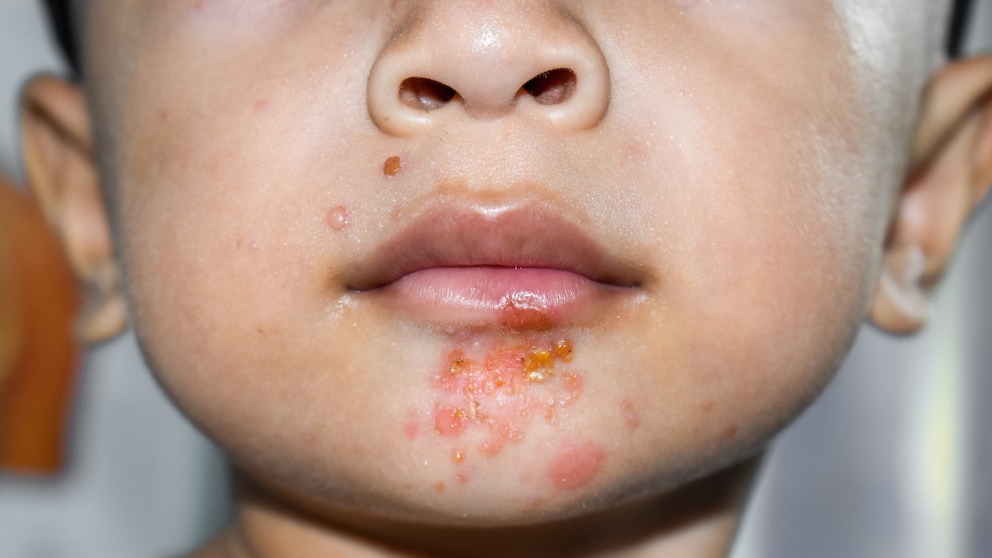
You might also know the disease as “crusted impetigo,” “pus impetigo,” or by its medical name, “Impetigo contagiosa.” It refers to the same thing: a bacterial skin infection, usually caused by streptococci or staphylococci. It primarily appears on the face, especially around the mouth and nose, but can spread to other body parts. Impetigo often starts with small red spots or blisters that quickly burst and form a honey-yellow crust. If untreated, the infection can rapidly spread and infect other household members.
Causes of the Condition
Impetigo is one of the highly contagious skin infections. The pathogens, mainly streptococci or staphylococci, are transmitted through direct skin contact or shared items such as towels, toys, or door handles. The infection spreads quickly, especially in daycares and schools. The bacteria enter the body through tiny skin injuries like scratches or insect bites. Existing skin conditions such as eczema, cold sores, or chickenpox also increase the risk of infection.1 After a previous cold, a weakened immune system combined with frequent nose scratching can further facilitate the entry of germs. The incubation period, or the time between infection and the appearance of the first symptoms, is usually two to ten days.2 A person is considered contagious as long as there are oozing spots or crusts. Children between the ages of two and six are particularly affected: In this age group, about two out of 100 children per year contract impetigo.3
How the Symptoms Manifest
The first signs of impetigo are usually small, red spots or blisters on the skin. These quickly burst, start to ooze, and form a typical yellowish-golden crust, often described as “honey-colored.” The area around the mouth and nose is most commonly affected, but sometimes hands, arms, or legs are involved. The spots may itch but are generally not painful. In some cases, there is also swelling of the lymph nodes or a slight fever, especially if the infection spreads more extensively.4
Also of interest: Kawasaki syndrome – symptoms of the heart disease that primarily affects children
Reporting Requirement
If impetigo is suspected, children should not attend community facilities such as daycares or schools and should not play with other children. Parents are required to report the disease or suspicion of it to the respective facility. The goal is to prevent the spread early. A return to the facility is only allowed once a doctor confirms that there is no longer a risk of infection. This is usually the case 24 hours after starting antibiotic treatment. Without treatment, the child may return when all skin areas have completely healed.5,6
Diagnosis of the Condition
The diagnosis of impetigo is usually made based on the typical skin appearance. Doctors often recognize the infection through visual diagnosis, noting the characteristic honey-yellow crusts on reddened, oozing skin. In unclear cases or if the infection has spread significantly, a swab from the affected skin area can be taken. This allows the laboratory to determine which bacteria are involved and whether they respond to specific antibiotics. This is particularly useful if the treatment does not work as expected or complications arise.
Chickenpox: Symptoms, Transmission, and Why Vaccination Is So Important

Scarlet Fever–Highly Contagious and Not Limited to Children
Treatment of Impetigo
The treatment depends on the extent of the infection. For milder cases, an antiseptic ointment applied locally to the affected skin areas is usually sufficient. This can help contain the spread and support healing. In more severe cases or when multiple skin areas are affected, the doctor prescribes an antibiotic, either as a cream or in tablet form. It is important to use the medications consistently as directed, even if the symptoms subside after a few days. This helps prevent the infection from spreading again or infecting others. During treatment, the affected areas should be touched as little as possible and covered with clean bandages to reduce the risk of infection.
Can the Condition Be Prevented?
In general, impetigo cannot always be prevented. However, there are simple measures to significantly reduce the risk of infection. Thorough handwashing with soap plays a central role, especially after contact with infected individuals or shared items. In households or facilities with an infection case, towels, washcloths, and bed linens should not be shared but changed daily and washed at a minimum of 140 degrees Fahrenheit.7 Children with visible skin changes should ideally stay home until there is no longer a risk of infection. Keeping fingernails short can also help reduce the risk of spreading bacteria through scratched areas. Covering the affected skin areas can also be useful to prevent further spread.