

July 24, 2019, 10:54 am | Read time: 3 minutes
Hartmut Stinus has been “married to the foot” his entire life. His father believed in the motto: “If you walk well, you’re doing well.” He worked as an orthopedic shoemaker, a profession Stinus also learned before studying medicine and becoming an orthopedist.
The Foundation for Foot Problems Is Often Laid in Childhood
Many patients with foot problems come to his practice in Northeim, problems that can be prevented or at least well-treated. And these are not just older people, but also young individuals. The foundation is often laid in childhood.
Also interesting: Lacing tricks that solve typical runner problems
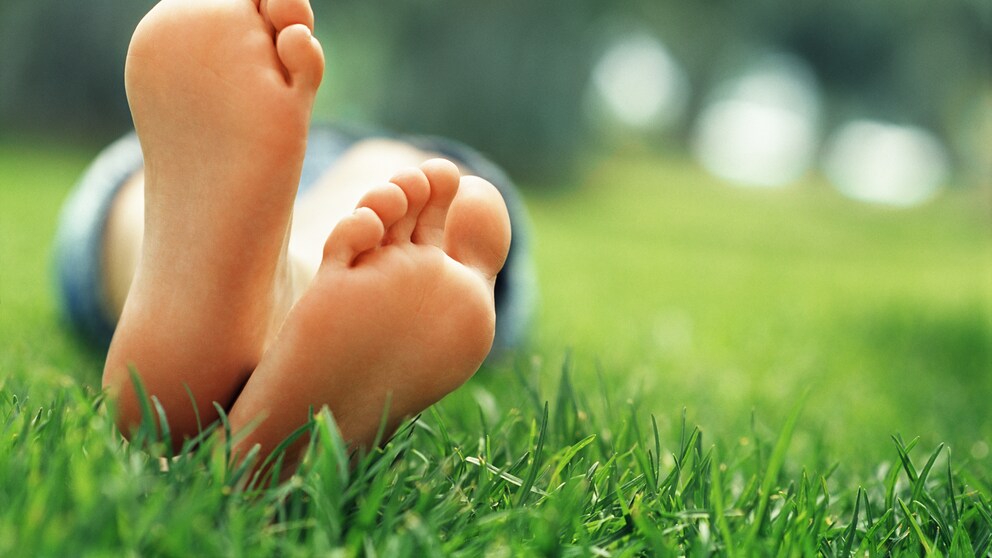
“In the past, children often went barefoot; today, they are quickly put into shoes,” says Stinus. He laments that the foot is imprisoned like in a jail, and the muscles have forgotten how to work. The solution for him is simple: more movement. Children should walk barefoot on soft surfaces because feeling with the feet “feeds” the sensorimotor system.
Stimulating the Feet Again
“Stimulate the feet,” also demands Jens Wippert, a physiotherapist with his own practice in Munich. “The less material between the foot and the ground, the better.” For younger people, Wippert sees another problem: Feet are used little in everyday life, but then–for example, during a mountain hike–they are overexerted.
Even though women are more affected by foot problems than men, the physiotherapist does not want to demonize pumps and high heels. The shoes are not the root cause: They can only exacerbate an existing problem.
When Feet Hurt…
When feet hurt, it’s best to go straight to a specialist, advises orthopedist Stinus. They can prescribe orthopedic insoles, which are covered by insurance–usually with a co-payment. Physiotherapist Wippert offers spiral dynamics in his practice. The “three-dimensional movement and therapy concept” was invented a quarter-century ago in Switzerland and is comparable to an instruction manual for the body. Wippert compares the patient’s movements with the idea of “correct” movement.
Also interesting: Why legs and feet swell in summer
According to Stinus, the concept is not so new, “but in new clothes, fashionably cut and well-made.” Similar exercises were already in Pastor Kneipp’s repertoire, says the orthopedist. However, he is pleased about the comeback. Spiral dynamics clearly show patients what they can do with their foot muscles.
Simple Exercises for Fit Feet
To keep your feet fit, you don’t necessarily need a therapist. On my-medibook.de, a platform for foot surgeons, there is a free patient section with basic foot exercises. For example, the foot octopus: Train your foot muscles by picking up objects with your toes. A cut tennis ball is suitable for this. A spiky ball massages at the same time.
Dermatologist Gerhard Büttner from Neumünster also advocates prevention. In his practice, he treats painful pressure points, usually the result of foot misalignments. He also frequently sees skin conditions like athlete’s foot, nail fungus, and warts.
Also interesting: How to find the right running shoe
Why Constant ‘Clawing’ in Flip-Flops Harms Tendons and Toes
Do Foot Misalignments Always Need Treatment?
Feet Need Special Care
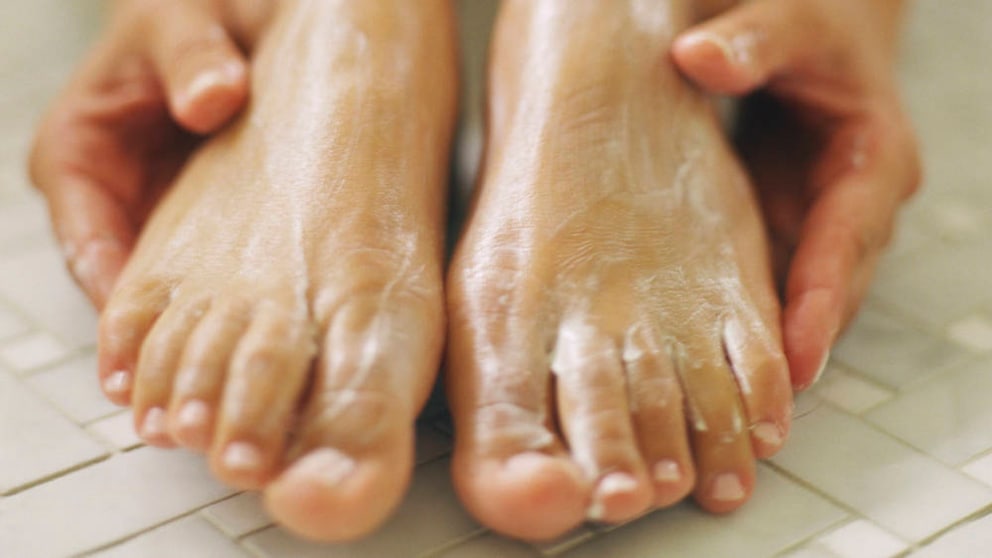
The often invisible foot area is frequently the “stepchild” of the foot. Yet these areas especially need care. His advice: “Wash regularly, also use soap.” When washing and drying, don’t forget the spaces between the toes, as moisture can quickly lead to fungal growth there.
Walking Barefoot Is Extremely Healthy
All experts agree: “Walking barefoot is extremely healthy.” However, in swimming pools, saunas, and sports locker rooms, it’s important to wear flip-flops. Once you’ve caught a wart or fungus, it’s very difficult to get rid of it.