

July 14, 2026, 7:52 am | Read time: 3 minutes
For many people with obstructive sleep apnea, a CPAP breathing mask is part of daily life. It prevents the upper airways from collapsing during sleep and is considered the most effective treatment for the condition. However, not all affected individuals can tolerate the mask. A new study now raises hope for an alternative in pill form. An expert, however, tempers the enthusiasm for treating sleep apnea with the pill in FITBOOK.
Sleep Apnea Strains Health and Daily Life
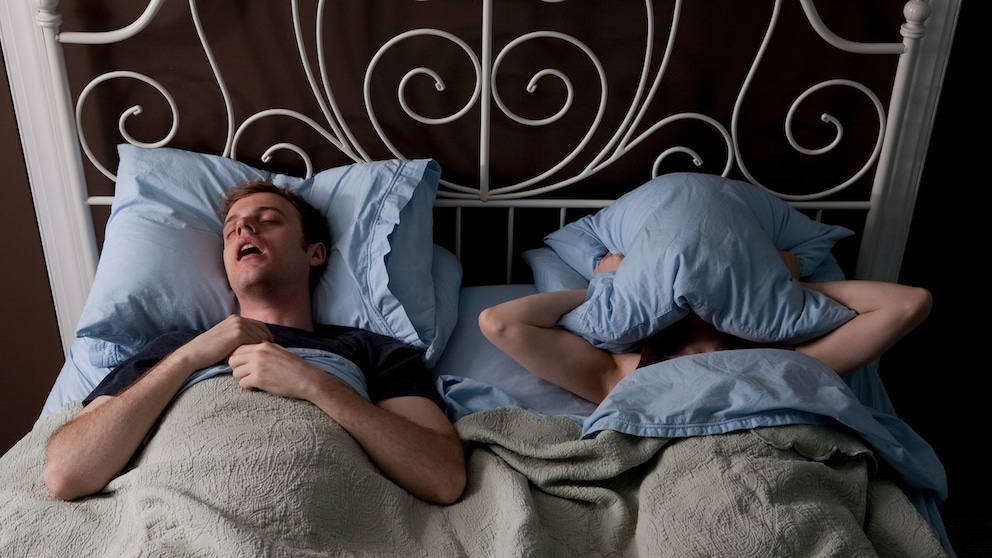
In obstructive sleep apnea, the muscles in the throat relax during sleep, causing the upper airways to repeatedly become partially or completely blocked. The result is breathing interruptions, a drop in blood oxygen levels, and numerous brief awakenings that disrupt sleep.
Typical symptoms include loud snoring, unrefreshing sleep, pronounced daytime fatigue, and concentration problems. If left untreated, the condition increases the risk of high blood pressure and cardiovascular diseases, among other things.
New Study Examines Experimental Pill AD109
An international research team has now investigated the experimental pill AD109 as a potential treatment option. The medication combines the two active ingredients atomoxetine and aroxybutynin. The goal is to stabilize the muscles of the upper airways during sleep and thus prevent their collapse. The study involved 646 adults with mild to severe obstructive sleep apnea. Over a period of 26 weeks, they received either AD109 or a placebo.1
Fewer Breathing Interruptions During Treatment
The results are promising: Under AD109, the number of nightly breathing disturbances decreased by an average of 44.1 percent. At the same time, there were fewer drops in oxygen levels during sleep. After six months, nearly 16 percent of participants on AD109 reached a severity level that, according to the study’s definition, no longer qualified as sleep apnea. In the placebo group, this was true for about nine percent of participants.
However, there was also a downside: About 21 percent of participants discontinued the treatment due to side effects. The most common complaints included dry mouth, insomnia, and nausea.
Regularly Playing a Conch Shell Trumpet Can Apparently Alleviate Symptoms of Sleep Apnea

If This Happens at Night, the Risk of Erectile Dysfunction Increases
Can the Pill Replace the CPAP Mask? Expert Assessment
According to a sleep medicine expert, the answer is currently: not quite. “The famous mask on the nose is not easily beaten,” says Prof. Dr. Ingo Fietze, head of the Interdisciplinary Sleep Medicine Center at Charité Berlin, in response to FITBOOK’s inquiry. In his view, a medication like AD109 could be considered in the future primarily for selected patients—such as those with a mild form of the condition or when CPAP therapy is not tolerated.
Despite the positive study results, the pill does not yet reduce breathing interruptions to the extent that a well-adjusted CPAP therapy can achieve. Additionally, not all affected individuals respond equally to the medication.
Conclusion
The study results indicate that medications could play a larger role in the treatment of obstructive sleep apnea in the future. However, there is currently no talk of replacing the established CPAP therapy. If AD109 is approved, the pill is likely to represent an additional treatment option for selected patients—especially for those who cannot or do not wish to use a breathing mask.