


July 21, 2025, 9:02 am | Read time: 3 minutes
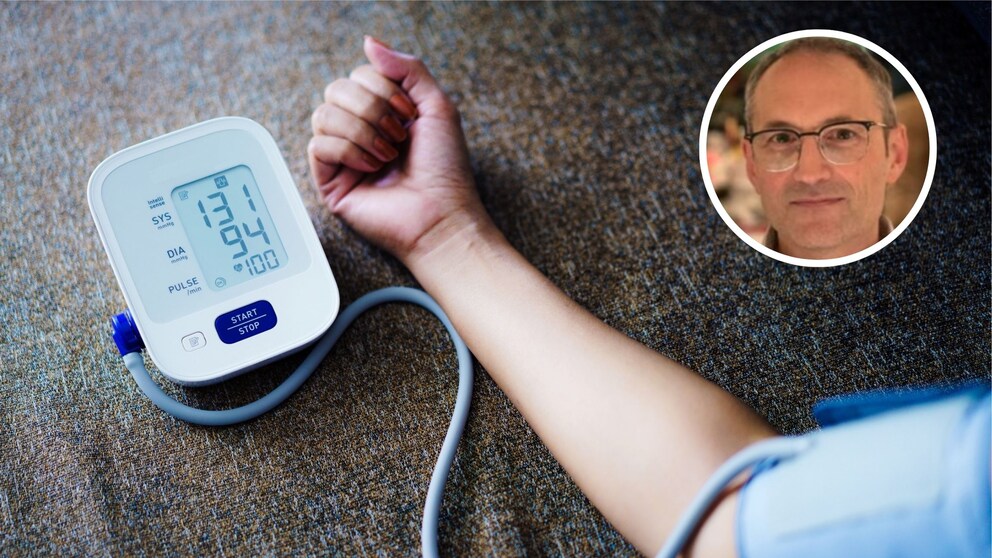
Optimal blood pressure is crucial for maintaining cardiovascular health in the long term. Lack of exercise, obesity, and poor diet often lead to hypertension. However, there are also other, sometimes surprising factors that can affect blood pressure. Prof. Dr. Christian Ott from the German Hypertension League shared with FITBOOK what these factors are.
The Season
When temperatures rise, the circulatory system feels it too. “Blood pressure shows seasonal fluctuations because thermal influences such as heat or cold have a direct impact on our blood vessels—dilation and constriction—and thus lower or raise blood pressure,” explains Prof. Dr. Ott. This is particularly relevant for people with heart conditions and older individuals. It’s important to stay hydrated during extreme heat. Extreme cold can also affect those with hypertension.
Air Pressure
Air pressure changes with different weather conditions. Some people react more strongly to this than others, which is also reflected in blood pressure. Prof. Dr. Ott told FITBOOK: “In ‘weather-sensitive patients,’ it is suspected that air pressure fluctuations irritate the sensitive receptors in the blood vessels, thus disrupting the circulatory system.” According to the expert, our modern living conditions promote such weather sensitivity.
Mental Health
“Physical and mental health are closely linked,” says Prof. Dr. Ott. “But it’s not always clear which is the chicken and which is the egg.” It is known that people with depression are more likely to develop high blood pressure, but conversely, patients with high blood pressure are three times more likely to suffer from depression. This is shown by relevant studies.1,2 The expert further explains that stress, anger, irregular working hours, or shift work could also have a direct impact on blood pressure in this context.
Noise at Night
Stress factors don’t always have to be consciously perceived. “Nocturnal noise pollution can lead to an increase in blood pressure, even if the sleeper continues to sleep and does not consciously perceive the noise,” explains Prof. Dr. Ott. The human body is more sensitive to noise during the night rest phase than during the active daytime phase.
About the Person: Prof. Dr. Christian Ott is a board member of the German Hypertension League and the managing senior physician of the Department of Internal Medicine 4 at the Nuremberg Clinic.

Hypertension Expert: “Patients with High Blood Pressure Are Three Times More Likely to Suffer from Depression”

Isometric Training Significantly Lowers Blood Pressure
Smartphone Use
Intensive smartphone use is associated with several health risks—including increased high blood pressure.3 According to Ott, a possible explanation for this is a lack of physical activity or exercise.
Early Menopause and Pregnancy Complications
In addition to the above-mentioned gender-independent factors that influence blood pressure, there are also female-specific ones: “namely the early onset of menopause and pregnancy complications, such as multiple miscarriages and premature births, pregnancy hypertension, or diabetes.”
It is also interesting: The likelihood of suffering from hypertension is higher if the partner also has elevated blood pressure levels. An explanation for this could be health behaviors that may align over the years.4 Therefore, if one is diagnosed with high blood pressure, the partner should ideally also be examined.