

November 23, 2020, 1:53 pm | Read time: 3 minutes
Those who strictly follow a vegan diet risk consuming too little protein and calcium. According to a new study, this increases the risk of bone fractures by up to 43 percent.
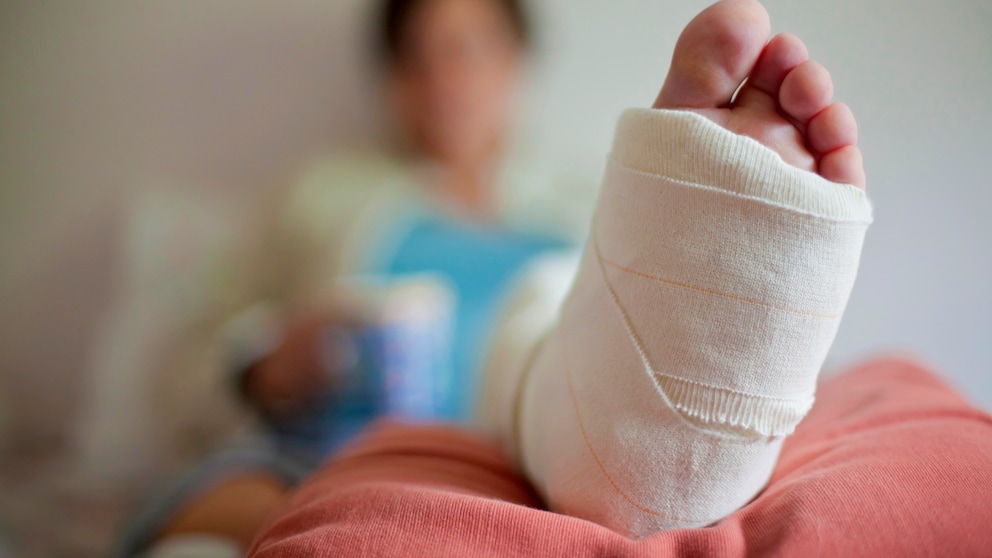
As people age, bone density decreases more and more. This process begins as early as age 30. However, the speed of this decline is greatly influenced by diet and lifestyle–much to the disadvantage of vegans, as a recent Oxford long-term study revealed. Their risk of experiencing fractures and bone breaks over their lifetime is up to 43 percent higher than that of meat-eaters.
Study with 54,898 Men and Women
The findings come from a long-term study involving 54,898 healthy adult men and women from the United Kingdom. Between 1993 and 2001, they completed a questionnaire on diet, sociodemographic characteristics, lifestyle, and medical history. They also indicated whether they followed a vegan, vegetarian, pescatarian (including fish), or mixed-meat diet. Follow-up research, which continued until 2016, revealed that 3,941 of these individuals had suffered fractures or bone breaks.
Also of interest: 6 ½ Foods for Strong and Healthy Bones
Why the Risk of Bone Fractures Is Higher for Vegans
After evaluating all the data, researchers found that compared to meat-eaters, vegans had a 43 percent higher risk of fractures, particularly in the hips, legs, and vertebrae. Additionally, vegans and vegetarians generally have a lower body mass index (BMI). If this falls into the underweight range, the risk of bone fractures also increases, the study notes. “Previous studies have shown that a low BMI is associated with a higher risk of hip fractures, and low calcium and protein intake has been linked to poorer bone health,” said Dr. Tammy Tong, the study’s lead author.
Low Calcium and Protein Intake as Main Factor for Bone Fractures in Old Age
Researchers believe that a diet-related low intake of calcium and valuable protein could be one of the main causes of the recorded bone fractures. If both nutrients primarily come from animal sources, the body can absorb and utilize them much better.
Also of interest: Do Vegans Have a Fitness Disadvantage?

The Diet That Can Provenly Reduce Cancer Risk
How Diet Is Linked to Cancer Risk
Further Research Needed on “Vegans and Bone Fractures”
However, the study did not differentiate where the fractures originated. Whether they resulted from accidents or solely due to brittle bone substance is not clear from the analysis. There is also a need for further research, as the subjects studied were mainly white Europeans and women. How the results apply to other population groups remains unclear.
Also of interest: How I Now Think About My Vegan Prejudices
Vegans and Vegetarians Need to Pay Extra Attention to Their Diet
The study shows: Adequate intake of calcium and proteins (as well as vitamin D) is essential for strong and healthy bones from an early age. Those who still wish to avoid meat and other animal products must pay extra attention to choosing the right foods and, if necessary, compensate for the deficit with high-quality dietary supplements.