


October 15, 2025, 11:07 am | Read time: 5 minutes
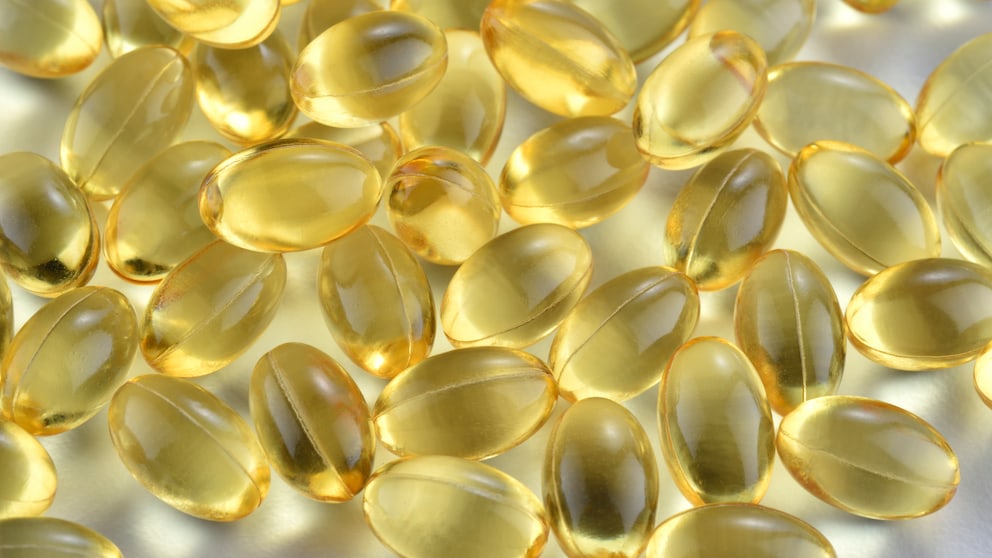
Preventing skin cancer with a simple vitamin supplement? What long seemed like a theoretical approach now receives strong empirical support: An analysis of over 33,000 U.S. veterans showed that nicotinamide (niacinamide or vitamin B3) can reduce the risk of skin cancer–provided it is used early enough.
Follow the FITBOOK channel on WhatsApp now!
Preventing Skin Cancer with Vitamin B3?
Skin cancer is among the most common cancers worldwide. People with fair skin and intense sun exposure are particularly at risk. Earlier smaller studies and reviews had already provided evidence that nicotinamide–a water-soluble form of vitamin B3–supports DNA repair in skin cells and could thereby limit UV-induced skin damage.1
The study aimed to investigate the effectiveness of this vitamin supplement in preventing skin cancer on a large scale. It also examined whether certain patient groups–including organ transplant recipients–respond differently to the treatment.
Also interesting: Liver cancer–causes, symptoms, and consequences
The Study
The researchers conducted a retrospective cohort study based on electronic health data from the U.S. Veterans Affairs database for the period from Oct. 1, 1999, to Dec. 31, 2024.2
A total of 33,822 patients were included. Of these, 12,287 had taken nicotinamide (500 milligrams twice daily for more than 30 days), while 21,479 remained untreated and served as the control group.
To enable fair comparisons, both groups were carefully matched based on various factors–including age, gender, history of skin cancer, concomitant therapies (such as with acitretin), and existing conditions. The index date, or the starting point from which data was collected, was the date of the first nicotinamide prescription. The further course was analyzed using stratified Cox models, a method used to calculate survival times of study participants. In this case, the main goal of the study was to determine the time until the next skin cancer diagnosis.
Nicotinamide Reduced Skin Cancer Risk
The result was clear: Nicotinamide reduced the overall risk of skin cancer by 14 percent. The effect was particularly pronounced when treatment began after the first skin cancer diagnosis–in this group, the risk decreased by 54 percent. However, if nicotinamide was used only after multiple skin cancer diagnoses, the protective effect diminished.
The risk reduction applied to both basal cell carcinomas (a common, usually less aggressive form of skin cancer) and squamous cell carcinomas (cSCC), with the latter benefiting the most. Among the participants were also 1,334 organ transplant recipients. In this high-risk group, no clear protective effect could be demonstrated–but those who started taking it early also had a lower risk for cSCC.
These results suggest that the benefit of nicotinamide is greatest in the early stages of the disease.
Study Assessment and Possible Limitations
Despite the size and statistical rigor of the study, a crucial methodological point remains critical: It is a retrospective observational study–not a randomized clinical trial. Whether nicotinamide is actually responsible for the lower skin cancer risk cannot be definitively determined from these data.
Additionally, the data comes almost exclusively from older, white, male veterans (average age 77 years). Whether the results can be applied to women or other population groups is unclear.
The researchers did not control for the actual duration of intake, adherence to therapy, or the health behavior of the patients, but only recorded these through electronic data. This significantly limits the applicability to the general population.
Earlier Cell Study Shows: Vitamin B3 Can Significantly Reduce UV Damage in Skin Cells
Even before the current U.S. study, researchers had found evidence of a cellular protective mechanism of vitamin B3. In a study presented at the 29th Congress of the European Academy of Dermatology and Venereology (EADV), researchers took skin cells from patients with white skin cancer and tested directly in the lab how the cells reacted to vitamin B3. These were treated with three different concentrations of nicotinamide (NAM)–a form of vitamin B3–for 18, 24, and 48 hours and then exposed to UV radiation.3
The result: Pretreatment with 25 μM NAM 24 hours before irradiation significantly reduced oxidative stress and DNA damage. It appears that vitamin B3 initiates important repair mechanisms in advance that could potentially prevent skin cancer.

This Growth on the Eye Could Indicate Skin Cancer
Why the Most Aggressive Skin Cancer Isn’t the Deadliest
Caution with Dosage
Despite the promising results, nicotinamide should not be taken uncritically. While it is considered safe at the recommended dosage, very high amounts–especially of niacin, another form of vitamin B3–can be dangerous. In 2019, a man nearly lost his eyesight due to a massive overdose of vitamin B3. Anyone considering taking vitamin B3 for skin cancer prevention should definitely consult a doctor about the dosage beforehand.
Not Just Protection–Indications of Risks from Certain B3 Forms
A 2022 animal study from the University of Missouri cast another form of vitamin B3–nicotinamide riboside–in a critical light: It is suspected of increasing the risk of breast cancer and promoting the spread of brain metastases, as reported by FITBOOK. Whether these results can be applied to humans is still unclear.