


March 4, 2026, 8:17 am | Read time: 8 minutes
Ulcerative colitis affects millions worldwide and often progresses in painful flare-ups. New research results show: A sufficiently high vitamin D level can have a positive effect on the course of this chronic bowel disease. The sunshine vitamin has an anti-inflammatory effect, strengthens the intestinal barrier, and could therefore reduce relapses. Prof. Dr. Hartmut Göbel, who treats patients with persistent pain at the Kiel Pain Clinic, explains how those affected can optimize their vitamin D levels and what dosage makes sense.
Alongside Crohn’s disease, ulcerative colitis is the most common chronic inflammatory bowel disease (IBD) and affects millions of people worldwide. New studies suggest that vitamin D levels have a decisive influence on the course of the disease: the higher the level, the lower the disease activity. Prof. Dr. Hartmut Göbel—a specialist in neurology, special pain therapy, and psychotherapy who treats patients with ulcerative colitis who suffer from long-lasting pain at the Kiel Pain Clinic—explains the connection.
Overview of ulcerative colitis
What Is Ulcerative Colitis?
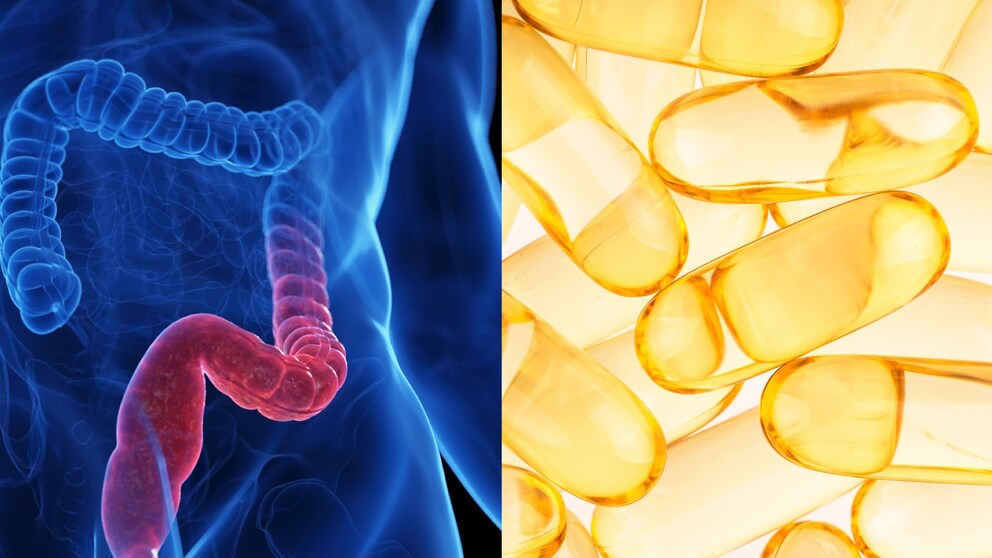
Ulcerative colitis is an inflammatory disease of the large intestine characterized by chronic inflammation of the intestinal mucosa. In contrast to other intestinal diseases, such as Crohn’s disease, it is limited exclusively to the large intestine. The inflammation usually begins in the rectum, the last section of the digestive tract. From there, it spreads continuously upwards.
These Are the Typical Symptoms
“The symptoms of ulcerative colitis can vary from mild to severe and often occur in episodes,” says Prof. Dr. Hartmut Göbel when asked by FITBOOK. Typical symptoms include severe diarrhea, which is often bloody. “In an acute phase, diarrhea can occur more than 20 times a day and be accompanied by cramps and persistent abdominal pain, including fever,” adds the specialist in special pain therapy. As a rule, there is also an increased susceptibility to infections and severe weight loss—the latter caused by diarrhea, loss of appetite, and malabsorption. Malabsorption refers to a reduced ability to absorb nutrients. “Many sufferers also suffer from chronic fatigue, as the persistent inflammation puts a lot of strain on the body,” says Göbel.
4 Types of Ulcerative Colitis
Here are the four main types of ulcerative colitis:
- Proctitis: limited to the rectum, may also involve the anus.
- Left-sided colitis: Affects the rectum and the left part of the colon.
- Ulcerative pancolitis: Extensive involvement of the entire colon.
- Fulminant colitis: Severe, acute inflammation of the entire colon, rare and life-threatening.
Possible Triggers
- Misdirected, pathologically increased reactions of the immune system are considered a central factor in the development of ulcerative colitis. In this disease, the immune system mistakenly attacks the body’s own intestinal cells, which leads to persistent inflammation.
- If close relatives of yours suffer from ulcerative colitis or another inflammatory bowel disease, you could be predisposed. This puts you at an increased risk of developing the disease yourself.
- Although no specific diet is considered a direct cause, a diet low in fiber and high in fat can increase the risk of developing ulcerative colitis. An unhealthy lifestyle, characterized by little exercise and irregular eating habits, can also contribute to the development of inflammatory processes in the intestine.
- In addition to the known damage to the respiratory tract, cardiovascular system, and central nervous system, smoking also contributes to the development of inflammatory bowel diseases.
- If the immune system is not sufficiently challenged, there is a possibility that it will turn against the body’s own cells or cause damage to its own body through an overreaction. Excessive hygiene could have an influence on the development of autoimmune diseases such as ulcerative colitis. However, this has not been scientifically proven.
- Stress has not been proven to cause the onset of the disease, but it can exacerbate the symptoms and have a negative impact on the course of the disease.
Drug Treatment
The treatment of ulcerative colitis aims to reduce inflammation, alleviate symptoms, and prevent recurrences. According to Göbel, frequently used medications include anti-inflammatory agents such as 5-aminosalicylic acid, corticosteroids, and immunosuppressants that regulate the immune system and target inflammation. “In more severe cases, so-called biologics can be used, which block specific inflammatory pathways and thus modulate the immune system in a targeted manner,” the doctor explains to FITBOOK. In particularly severe cases, when other treatment options are not effective, surgery may also be necessary, “in which the colon is completely removed”.
Relieving Symptoms in a Natural Way
In addition to medical treatment, you can take active steps to improve your quality of life and stabilize the course of the disease. Göbel advises an anti-inflammatory diet rich in fruit, vegetables, and omega-3 fatty acids. At the same time, stress-reducing exercises such as yoga or meditation can help to make everyday life more relaxed and alleviate symptoms. Regular exercise has positive effects on intestinal health and general well-being.
New Potential Cause for Crohn’s Disease and Ulcerative Colitis Discovered
Can I combine aspirin, paracetamol, and ibuprofen?
Vitamin D and ulcerative colitis
Vitamin D plays a significant role in the immune system and in regulating inflammation. Göbel refers to studies that show that low vitamin D levels are associated with higher disease activity.1,2 “Patients with ulcerative colitis who have sufficient vitamin D levels tend to have lower inflammatory markers and reduced disease activity.” In addition to standard treatment, vitamin D can also improve disease control, explains the physician.
Why and How Vitamin D Influences Chronic Bowel Disease
Vitamin D has an immunomodulatory effect. This means that it regulates the immune system and prevents excessive inflammatory reactions. It also plays a role in strengthening the intestinal barrier and reducing harmful bacteria in the intestine, explains Göbel. As a result, it can actually alleviate the symptoms of ulcerative colitis.
Vitamin D and the Gut – What You Should Know About Tolerance
According to the doctor, the intestine generally tolerates vitamin D well. Side effects usually only occur with extremely high doses. Nevertheless, vitamin D should always be taken in consultation with a doctor if you have intestinal problems, as individual reactions can vary. The blood concentration should be checked regularly by a specialist, especially in the case of higher doses or long-term use.
Optimal Vitamin D Dosage for Ulcerative Colitis
The optimal dosage of vitamin D for ulcerative colitis depends on your individual vitamin D level, which can be determined by a blood test. In general, experts recommend a daily maintenance dose of 800 to 2000 I.U. (International Units) to ensure healthy levels. However, higher doses may be required in cases of proven deficiency, but should always be taken under medical supervision to avoid overdosing.
Does Vitamin D Also Help With Other IBD, e.g., Crohn’s Disease?
According to Göbel, vitamin D has also shown positive effects in other chronic inflammatory bowel diseases such as Crohn’s disease. It reduces inflammatory reactions and supports intestinal health. Nevertheless, further studies are needed to make specific recommendations.
How Can I Take Vitamin D?
- Sunlight: The body produces vitamin D when the skin is exposed to direct sunlight. Just 10 to 20 minutes of daily sunbathing on uncovered skin can be sufficient, especially in the sunnier months.
- Diet: Although vitamin D can only be obtained in limited amounts from food, there are some foods that are natural sources. These include oily fish such as salmon, mackerel, or herring, egg yolk, and certain mushrooms. In addition, some foods, such as margarine, milk, or juices, are fortified with vitamin D, which facilitates absorption.
- Food supplements: If the natural intake through sun and diet is not sufficient, vitamin D supplements can help to compensate for a deficiency. These are available in drop or capsule form and offer a targeted dosage. It is advisable to discuss the intake with a doctor or pharmacist to avoid any side effects, interactions, or overdosing.
Can I Overdose on Vitamin D?
Overdosing on vitamin D is possible, leading to a condition known as hypervitaminosis D. An overdose usually occurs when very high doses are taken over long periods of time. Possible symptoms of a vitamin D overdose include nausea, vomiting, weakness, tiredness, frequent urination, and kidney problems. In very high amounts, it can even damage the kidneys and increase calcium levels in the blood, which can cause serious health problems.
Conclusion
Ulcerative colitis is a complex disease that can have a major impact on life. Vitamin D offers promising approaches to improve symptoms and quality of life as a complementary measure to standard therapy. Have your vitamin D level checked and discuss with your doctor how you can optimize your individual therapy.