


November 3, 2026, 9:12 am | Read time: 6 minutes
Used to take a hard bump, but now a light touch leaves a bruise? Many women notice after 40 that their skin reacts more sensitively than before. This can be due to age-related changes, hormonal influences, or certain medications. Dr. Heidi Gößlinghoff, a gynecologist, reproductive medicine specialist, and psychotherapist focusing on fertility and hormonal women’s health, explains when bruises are harmless, the role of nutrient deficiencies, and which signs should prompt a medical evaluation.
What Are Bruises?
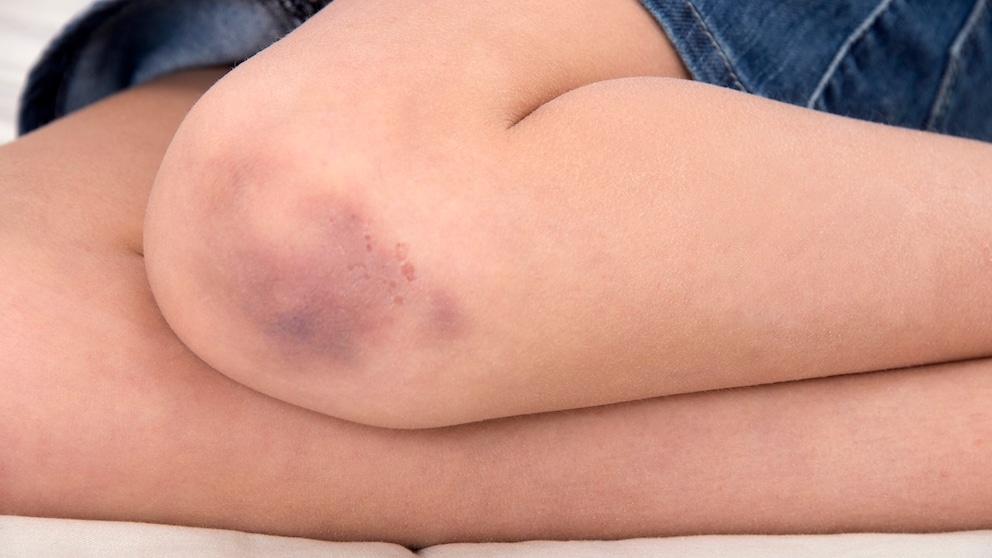
“Medically, a bruise or contusion is called a hematoma. It occurs when small blood vessels under the skin are injured, causing blood to leak into the surrounding tissue while the skin surface usually remains intact,” says Dr. Gößlinghoff. “During healing, the discoloration changes from initially often reddish or bluish to later greenish, yellowish, and finally paler. This is due to the breakdown of the leaked blood. Typically, an uncomplicated bruise disappears within one to two weeks, but larger hematomas may remain visible longer.”
What Influences the Formation of Bruises?
The speed at which a bruise forms depends on several factors. These include the force of the impact, the condition of the skin and connective tissue, and the stability of the blood vessels. Blood clotting also plays a role, as it normally ensures that injured vessels are quickly sealed again.
Also interesting: Menopause is over–what comes next?
What Changes for Women Over 40
Thinner Skin and Less Protective Tissue
“As we age, the skin changes: It becomes thinner, loses elasticity, and is less cushioned by subcutaneous fat. This means small blood vessels are closer to the surface and less protected from impacts,” explains Dr. Gößlinghoff. “Even light touches can then cause bruises, especially on the shins, forearms, and backs of the hands. Doctors refer to this as senile purpura, or age-related skin bleeding. If the skin itself is very thin and fragile, it is called parchment skin.”
Genetic Predisposition
Some people have been prone to bruising more easily since their youth. If this has always been the case for you, a familial predisposition may be behind it, and this tendency can increase with age.
Hormonal Influences
“Estrogen helps the skin form collagen and retain moisture. When estrogen levels drop during menopause, the collagen content of the skin decreases significantly, especially in the first years after the last menstrual period. This makes the skin thinner and the small blood vessels less protected,” explains Dr. Gößlinghoff.
Medications
More frequent bruising can also be related to medications, such as anticoagulants, which are used to prevent thrombosis or strokes, as well as aspirin and certain other pain relievers. These substances can affect blood clotting, specifically the function of platelets. Cortisone preparations can also make the skin thinner and more sensitive with prolonged use. Whether a medication is actually behind the bruises depends on the active ingredient, dosage, and duration of use, so over-the-counter medications should also be discussed during a medical evaluation.
Vitamin Deficiency
A pronounced deficiency in vitamin C or vitamin K can also promote the formation of bruises. Vitamin C is needed for the production of collagen, which provides stability to connective tissue and blood vessel walls. Vitamin K, on the other hand, is involved in the formation of certain clotting factors. If these vitamins are lacking in significant amounts, the vessels can be more susceptible, or blood clotting can be impaired.
However, severe deficiencies are rare in healthy adults with a balanced diet and are more likely to occur with certain diseases or impaired nutrient absorption. If you frequently get bruises, you should not take dietary supplements on suspicion but first have a doctor determine if there is indeed a deficiency.
Also interesting: Effective training after 40–what women should consider
What Diseases Could Be Behind It?
If bruises occur unusually often or without an apparent reason, diseases could be the cause, such as clotting disorders, a low platelet count, or impaired function of these cells, in addition to age-related changes. Liver diseases can also affect clotting because the liver produces important clotting factors. Less commonly, diseases of the blood-forming system are behind it.
“Clotting disorders like Von Willebrand disease should also be ruled out. This often goes undetected in women for a long time. Symptoms typically include heavy periods, bruises, and nosebleeds,” warns Dr. Gößlinghoff.
How to Recognize Unusual Bruises
“There is no fixed number at which bruises are considered unusual. Small bumps often go unnoticed in everyday life, so a single bruise without remembering the injury is not automatically a cause for concern. What matters more is whether the tendency to bruise changes,” explains Dr. Gößlinghoff. “Signs of an unusual tendency to bruise include suddenly significantly more bruises than before, unusually large hematomas, or bruises that occur after minimal bumps.”
Accompanying symptoms can also indicate a possible cause. These include pinpoint red or purple spots on the skin, frequent nose or gum bleeding, unusually heavy menstrual bleeding, pronounced fatigue or paleness, and blood in the urine or stool. Such symptoms can indicate a clotting disorder, among other things.
When to See a Doctor for Bruises
If you notice a significant change in your tendency to bruise or repeatedly get bruises without an apparent cause, you should promptly schedule an appointment with your primary care physician. This also applies if bruises persist unusually long. During the examination, possible injuries, other bleeding, pre-existing conditions, and medications taken will be discussed. Depending on the findings, a blood test may follow, checking platelet count and certain clotting values. For severe or persistent bleeding, rapidly enlarging hematomas, or severe pain, immediate medical evaluation is important.

What Lies Behind the Blood Disorder Hemophilia

The 12 Most Bizarre Menopause Symptoms
How to Prevent Bruises
- Protective Clothing: Not every tendency to bruise can be prevented, but you can protect your skin from unnecessary injuries, for example, by wearing long clothing during gardening or other activities with a higher risk of injury.
- Balanced Diet: Adequate protein, fruits, and vegetables support the normal function of skin and connective tissue. Also, vitamin C, found in peppers, citrus fruits, berries, and broccoli, and vitamin K from green leafy vegetables.
- Dietary Supplements: They are generally only useful if a deficiency has been identified.
- Regular Skincare: This can keep dry, sensitive skin supple but does not reliably prevent bruises.
How to Treat a Bruise
If a bruise has already formed, gentle cooling in the first few hours can help reduce swelling and pain. Wrap a cold pack in a thin cloth and place it on the hematoma for about 10 to 20 minutes. For bruises on arms or legs, elevating the affected area and temporarily resting it can also help.
Avoid pressure, vigorous rubbing, and massages to prevent further irritation of the injured tissue. Over-the-counter ointments or gels, such as those with arnica or calendula, are often offered for treating bruises, although their effectiveness is only limitedly proven. They can at best relieve symptoms but should not be applied directly to open or irritated skin.1