


November 26, 2026, 1:06 pm | Read time: 5 minutes
Most of us occasionally look critically at our appearance and body. But for some people, perceived flaws become an obsession and a constant source of distress. For them, it may be more than excessive self-criticism; it could be a disorder: dysmorphophobia.
Body dysmorphic disorder (BDD) or dysmorphophobia is a relatively common disorder, clinically characterized by an excessive preoccupation with an imagined defect or a feared disfigurement of one’s appearance. This excessive preoccupation often causes significant distress and impairments in social, occupational, or other important functions.1
People suffering from this mental disorder cannot stop thinking about their body’s perceived deformity. These are usually flaws that others do not see or at least do not perceive as severe when looking at the affected person. Most people suffering from dysmorphophobia focus on the following body areas:2
- Face (such as nose, complexion, wrinkles, or acne)
- Hair (such as texture, thinning, or baldness)
- Skin (such as blemishes, visible veins)
- Breast size
- Muscle size and tone
- Genitals
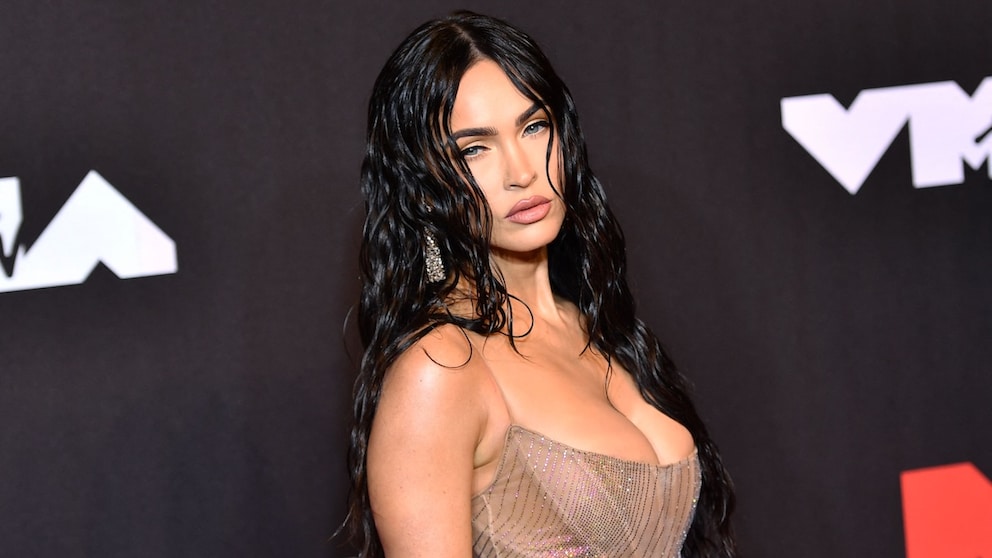
Megan Fox Wanted to Look Different Even as a Child
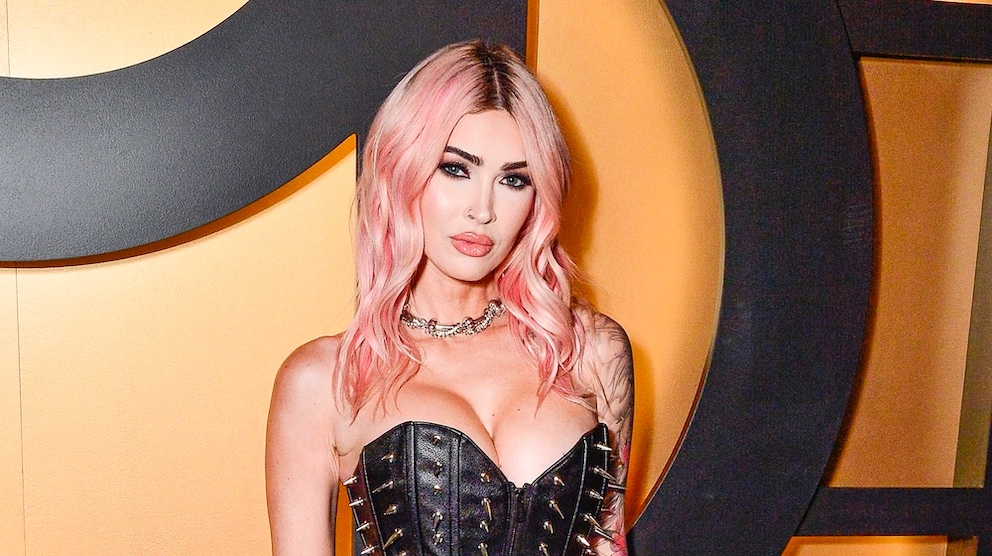
Megan Fox has spoken in various interviews about suffering from body image disorder. She first revealed in 2021 to “GQ” that she has dysmorphophobia. In 2023, she shared more insights into her struggle with “Sports Illustrated“: “I never see myself the way other people see me. There was never a point in my life where I loved my body.”
For Fox, the disorder dates back to childhood. She began comparing herself constantly at an early age. “When I was little, I was downright obsessed with it. With the idea that I had to look a certain way,” the actress shared.
Robert Pattinson – Anxiety and Dysmorphophobia
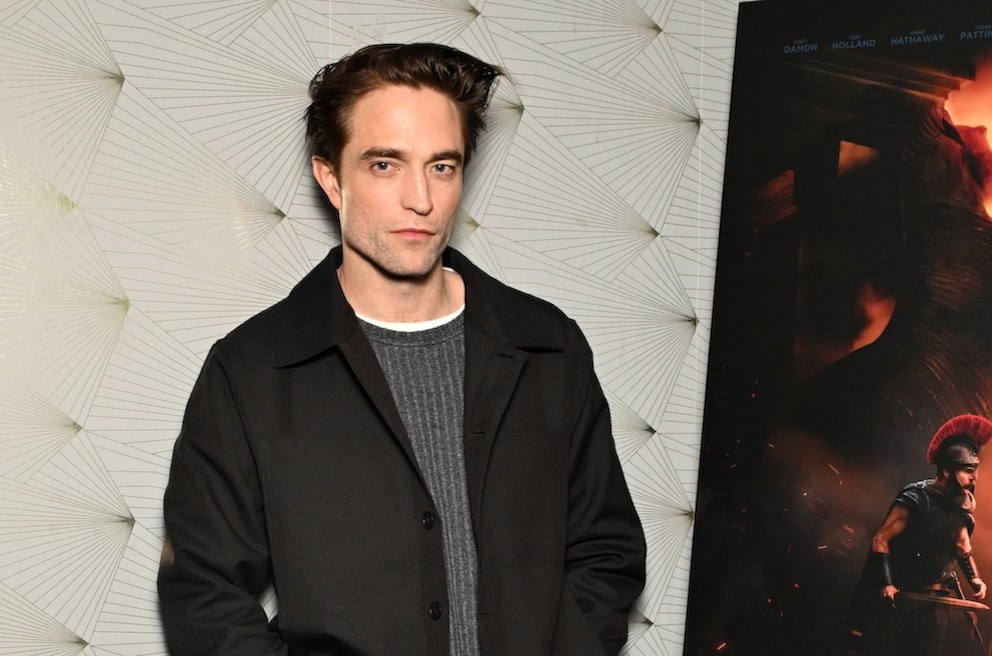
He was first the teen heartthrob from “Twilight,” now he’s Batman and the new James Bond–Robert Pattinson has every reason to go through life confidently. Yet, the Brit has been plagued by insecurities that have significantly affected his life, at least in the past. In 2013, he revealed in an interview with “Sunday Style – Australia“: “I often panic and feel real fear,” the actor shared at the time. “Why do I panic? Basically because of everything. Dysmorphophobia, general enormous anxiety. I suppose that because of all these enormous insecurities, I’ve never found a way to become selfish or complacent. I don’t have a six-pack, and I hate going to the gym. It’s been like that my whole life.”
Billie Eilish – Body Pressure from Dancing
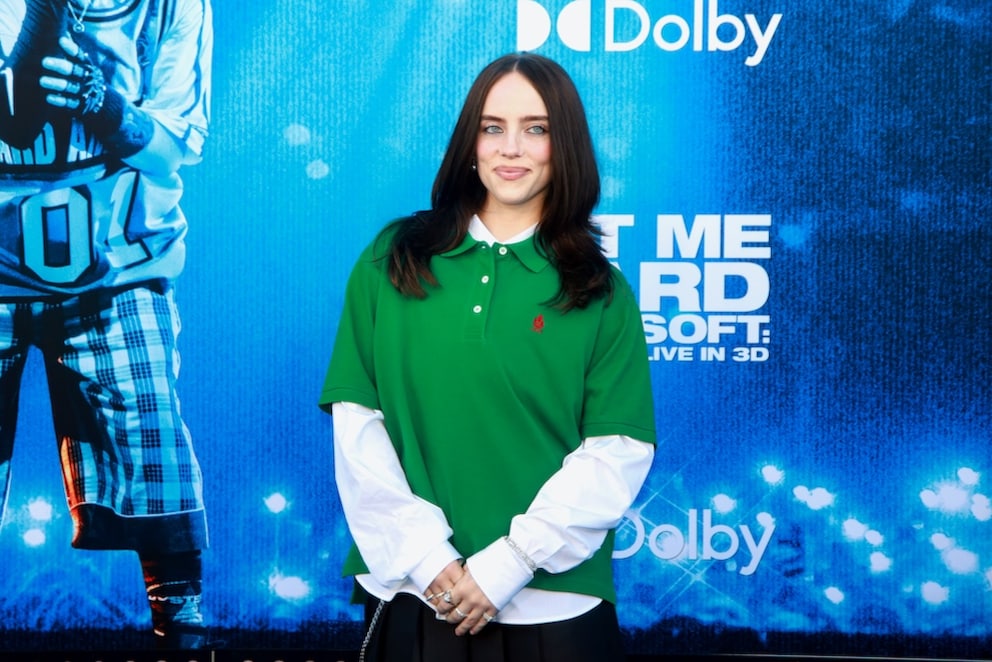
Singer Billie Eilish is also among the stars who openly discuss their body image disorder. For her, it all started in dance class when she was about eleven years old. “I never felt comfortable in the tiny clothes,” the 24-year-old revealed in a 2019 “Vogue” interview. Early fame and the public focus on her appearance further contributed to her self-esteem taking a hit, leading the musician to develop dysmorphophobia. At the worst times, she couldn’t even look at herself in the mirror.
Also interesting: What digital psychotherapy offerings can and cannot do
Lili Reinhart Has Issues with Her Arms

Anyone who often compares themselves to seemingly perfect bodies on social media will feel in good company with a post from Lili Reinhart on X from 2023. “I wish mainstream media would show more normal-sized arms for women. My body dysmorphic disorder is going crazy right now because I think my arms should be half the size. We’ve glorified these thin arms that you can only achieve as a teenager.” She later added: “It’s crazy how much time I’ve wasted in the past months thinking about my arms.”
Lili Reinhart’s example illustrates how obsessed people suffering from dysmorphophobia can be with certain body regions.

Robert Pattinson Suffered From Anxiety and Body Dysmorphic Disorder

Bruce Willis’ family overlooked these early warning signs of dementia
Sam Claflin Can’t Stand His Face
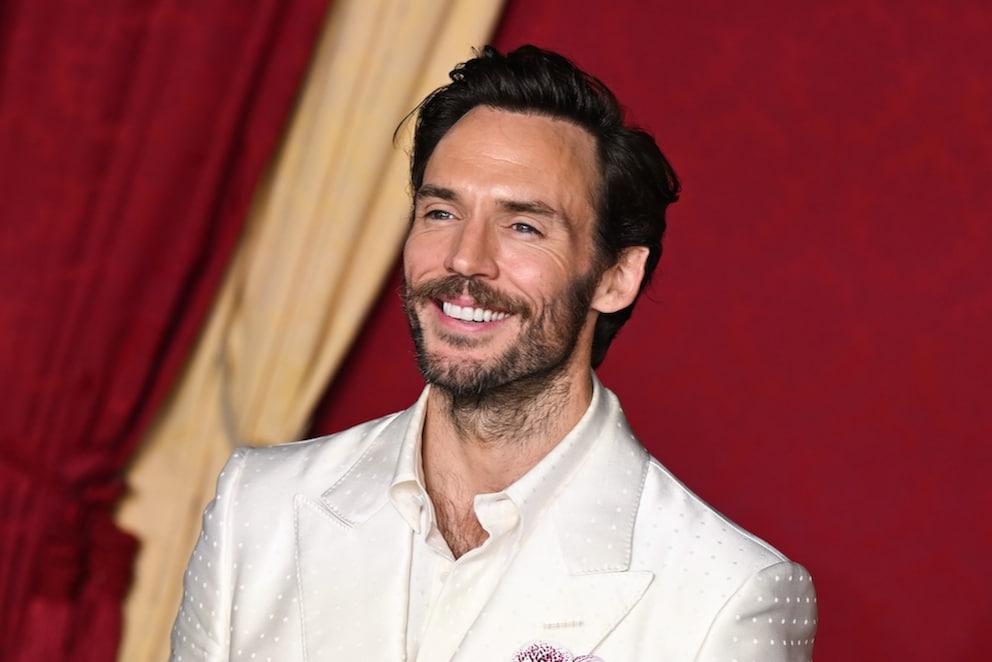
Many will remember Sam Claflin for one scene: his first appearance as Finnick Odair in the second “Hunger Games” film. Muscular and shirtless, he meets Katniss Everdeen, played by Jennifer Lawrence. A moment celebrated by fans but likely highly uncomfortable for him. The reason: Sam Claflin struggles with his appearance.
In February, he revealed in a podcast that he is sure he suffers from a body image disorder. He believes it began in his teenage years when puberty hit late, making him feel unattractive and not strong enough compared to peers, leading to shame. It was reinforced by early career experiences. “Many of my roles required me to shoot shirtless scenes. Only, they told me just a week in advance, and I had no time to train for them.” At the same time, anyone can voice their opinion anywhere and anytime. That doesn’t leave him unaffected.
Brandon Sklenar: “It Became an Obsession”

Brandon Sklenar recently spoke about dysmorphophobia. He stars in his new film “Iron Jane,” set in the world of bodybuilding and addressing the disorder. For the actor, known to series fans from the “Yellowstone” prequel “1923,” this is a topic close to his heart.
“‘Iron Jane’ delves deeply into the topic of body image and body dysmorphic disorder, which is something I believe should be discussed more, especially in the age of social media and fitness influencers. It’s something I’ve struggled with myself,” the 36-year-old told “The Hollywood Reporter.”
Similar to his Hollywood colleagues Sam Claflin and Megan Fox, everything started early for Brandon Sklenar. “I was a kid–small and chubby. I swam in a T-shirt and got laughed at for it. Then I had a big growth spurt, became very lanky, and was mocked for that. So I started working out, and it became an obsession. It turns into this strange thing where you perceive yourself very differently from everyone else, and usually not in a good way.”
Therapy has helped him, but it’s an ongoing process: “If you see me now as a 36-year-old man, you’d never guess, but I still feel very much like the twelve-year-old chubby kid–the feeling that nothing is ever good enough.”