


April 21, 2026, 10:55 am | Read time: 9 minutes
Although the trace element copper doesn’t enjoy the same fame among health-conscious consumers as vitamin C or magnesium, it is essential. FITBOOK nutrition expert Beke Enderstein explains how important it is for bodily functions, what the daily requirement is, and how a deficiency can manifest.
The Function of Copper in the Body
As a component of enzymes, copper protects our cells from aggressive radicals and is indispensable for the brain, hormone balance, and psyche. It is also essential for collagen metabolism and bones. Adequate copper intake through food is necessary for the brain, natural defenses, and numerous hormones. In addition to its enzymatic role in forming structural proteins like elastin and collagen, this essential micronutrient also has antioxidant effects.
As a cell-protecting enzyme component, copper helps the body as a so-called radical scavenger, protecting our cells from oxidative stress. In the context of its antioxidant effect, the micronutrient supports the immune system.
Not least, copper plays a crucial role in the nervous system and energy metabolism. The same applies to iron metabolism, as the trace element is involved in blood formation.
Low Copper Levels Correlate With Greater Cognitive Decline in Alzheimer’s
Copper is involved in the formation of nerve fibers and neuronal processes. Research discusses a connection between functional copper deficiency or disturbed copper balance and the process of Alzheimer’s. A 2005 study showed a significant correlation between low copper concentrations in the blood and greater cognitive decline in patients with mild to moderate Alzheimer’s disease. The lower the plasma copper level, the worse the patients performed on cognitive tests.1
Copper Is Also Considered a “Beauty Elixir”
Regarding appearance, healthy, firm, and plump skin, as well as beautiful, full hair, play a major role. In this sense, an adequate copper supply for our connective tissue and the formation of elastin and collagen is indispensable. This supports, among other things, the elasticity of skin cells. Through its involvement in melanin production, the trace element also supports the pigmentation of our skin, hair, and eyes.
Due to its antioxidant potential, copper offers additional aesthetic benefits. Age-related wrinkles and pigmentation disorders (“age spots”) can be reduced.
It should be emphasized that the described health and beauty benefits relate to a normal, adequate intake of copper—not to an additional effect from a high-dose supplement.
Permitted Health Claims About Copper
According to the Health Claims Regulation for the micronutrient copper, only the following claims about its effects are permissible:
Copper…
- contributes to normal energy metabolism
- is important for the function of the nervous system
- facilitates iron transport in the body
- is involved in the healthy function of the immune system (physical defense)
- protects cells from oxidative stress
- is important for skin and hair pigmentation
- maintains connective tissue
What Is the Daily Requirement for Copper?
The recommendations of the German Nutrition Society (DGE) for adequate copper intake are estimates. Unlike most other micronutrients, the requirement is not increased during pregnancy and breastfeeding.2
How Does a Copper Deficiency Manifest?
With a normal, balanced diet, a copper deficiency is not expected. The DGE also classifies deficiency symptoms due to insufficient copper intake from food as rare.
However, under certain conditions, a copper deficiency can occur. In addition to a one-sided cow’s milk diet in infancy, deficiency states are also observed in the context of parenteral nutrition (intravenous administration of nutrient solutions) and as a result of absorption disorders. Below are the symptoms that can occur with a copper deficiency:
- Anemia
- Fatigue and decreased performance
- Pallor
- Loss of appetite and anorexia
- Reduced immune defenses
- Reduced pigmentation
- Diarrhea
- Increased cholesterol levels
- Depression
- Flabby connective tissue
- Cell damage (due to radicals)
- Disruption of the nervous system
Factors That Favor a Copper Deficiency
In addition to the already mentioned artificial, intravenous nutrition and the one-sided cow’s milk diet in the first months of life, there are other causes that can lead to a copper deficiency.
Various medications can increase copper excretion and favor a deficiency situation: In addition to antirheumatics (drugs against rheumatism), dimercaprol (a drug for poisoning) and antacids (neutralization of stomach acid) are possible. Long-term zinc supplementation can also favor a copper deficiency.
According to the Society for Nutritional Therapy and Prevention (FET), other risk groups include people with reduced copper absorption due to gastrointestinal diseases (absorption disorders).3 The same applies to significant blood loss due to accidents or injuries, such as severe burns.
Particularly critical is the so-called Menkes syndrome. This congenital copper deficiency disease manifests as mental and psychomotor disorders. Sparse, curly hair is also a symptom. This genetically determined copper deficiency leads to death in childhood (usually in the fourth or fifth year of life) because the life-threatening copper losses cannot be replaced by supplements or other means.
Foods Particularly Rich in Copper
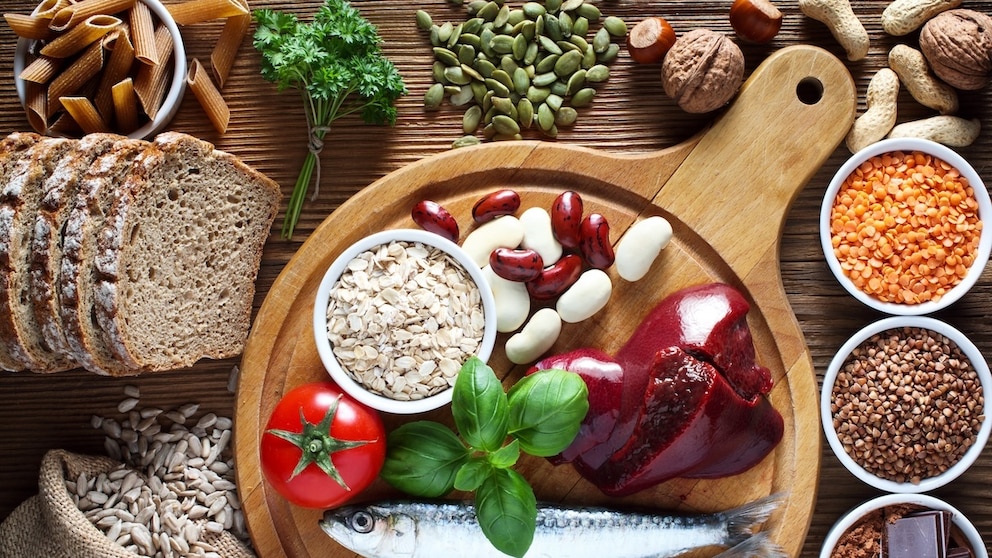
Copper is found in both plant and animal foods. Seafood and shellfish such as crabs, mussels, offal, nuts, and pseudocereals like buckwheat are particularly rich. The same goes for seeds, cocoa, coffee, and tea, as well as various spices. Whole grain products, broccoli, and legumes—especially soybeans—also provide essential copper. Below are foods that are particularly high in copper.
- Hazelnuts
- Cashew and sunflower seeds
- Mushrooms
- Emmental cheese
- Whole grain products
- Buckwheat
- Broccoli
- Soybeans and lentils
- Lima beans and white beans
- Potatoes
- Salt, spices (including pepper)
- Fish
- Crabs, shrimp, and lobster
- Oysters and scallops
- Offal
- Cocoa (and chocolate)
- Coffee and tea
Copper-poor foods, on the other hand, include milk (products)—with Emmental cheese as an exception—refined flours (light baked goods like bread, pasta), and sugar.
Tap Water as a Copper Source?
While copper-containing plumbing systems in areas with hard water provide only up to 0.1 milligrams of copper per liter, a low pH value (soft water) can lead to up to 10 times higher copper levels per liter of tap water.
Nutritional Physiological Factors
There is little loss when preparing copper-rich foods. Interactions with other food components are usually minor. However, certain foods can reduce the bioavailability of copper when consumed in large quantities, including:
- Fiber-rich foods (e.g., whole grains)
- Milk (products)
- Calcium and iron
- Molybdenum and phosphate
- Zinc and sulfites
Although the phytic acid contained in whole grain products can form complexes with minerals and trace elements like copper and reduce absorption, whole grain products are still the better choice according to UGB (Association for Independent Health Advice).4 The reason: Unlike white flour products, whole grain products contain relevant amounts of micronutrients.
The Giessen Whole Food Nutrition Study Part II showed that a whole food diet practiced over several years positively affects copper status.5
Tips for Improved Copper Absorption
- Prefer whole-grain products
- Reduce phytic acid content in whole grain products by soaking the grain grist overnight and fine grinding
- Adding vitamin C and organic acids increases bioavailability (by lowering the pH value, the phytic acid content is reduced)
- Simultaneous intake of amino acids optimizes copper bioavailability
While you start the day with a coffee and a breakfast porridge made from buckwheat with chopped hazelnuts, cocoa, and almond milk for an extra portion of copper, white beans in tomato sauce with whole grain pasta, and green salad with sunflower seeds are suitable for lunch. Or a potato-broccoli casserole gratinated with Emmental cheese.
As an afternoon snack, you can drink a black tea and nibble on a few cashew nuts. For dinner, a chili sin carne with tofu and finely ground whole grain bread is recommended.
When Can Copper Supplementation Be Useful?
With normal eating habits, taking a copper-containing supplement is not necessary. On the contrary, too high doses can do more harm than good.
According to the Consumer Center, which refers to the information from the Federal Institute for Risk Assessment (BfR), the proposed maximum amount in fortified foods and supplements is a maximum of one milligram of copper per day for adults. Copper-containing dietary supplements are not suitable for children and adolescents.6
For the factors described above that favor insufficient copper supply (including blood loss, artificial nutrition, or absorption disorders), a copper-containing dietary supplement may be temporarily recommended.
Supplementation of Copper: Take a corresponding dietary supplement only after consulting a doctor or exclusively in the case of a diagnosed copper deficiency.

The Birth Control Pill Increases the Need for These 5 Nutrients

Minerals: Types, Functions, and Requirements
Symptoms and Consequences of Copper Overdose
According to FET, a daily intake of more than five milligrams of copper can lead to gastrointestinal complaints such as stomach pain, diarrhea, nausea, and vomiting.
In the long term, an overdose can have more serious consequences: a weakened immune system, increased cholesterol levels, as well as neurological and psychological disorders. Liver damage, bone changes like osteoporosis, and an increased risk of fractures are also possible. Additionally, skin and hair pigmentation and blood formation can be disrupted.
A special role is played by the rare hereditary disease Wilson’s disease. Due to impaired copper excretion, the trace element accumulates in organs such as the liver, brain, and kidneys, causing damage there. While the liver is primarily affected in children, neurological and psychological symptoms such as speech and swallowing disorders, tremors, and movement problems are more common in adolescents and young adults.
Treatment combines medication with an adapted diet. In addition to zinc, active ingredients such as D-penicillamine are used to reduce copper excess. A copper-poor diet is also recommended, which can be supported by antioxidants like vitamin E, according to FET.
Conclusion: Copper From a Nutritional Science Perspective
The underestimated trace element is an essential micronutrient indispensable for blood formation, the brain, and our natural defenses. A prophylactic intake of a supplement is still not recommended, as the copper requirement is generally met through a balanced, healthy diet. If you belong to the groups of people for whom a copper deficiency cannot be ruled out, a blood test can clarify whether a dietary supplement might be useful.