


August 3, 2026, 2:25 am | Read time: 4 minutes
Porridge is generally considered a healthy breakfast classic. However, a statement by an influencer is circulating on social media, suggesting that pasta could be eaten in the morning instead of oats, as she considers the oat porridge unhealthy. FITBOOK nutrition expert Sophie Brünke examines three well-known foods: Are oats, muesli, or eggs the best choice to start the day?
Why Oats Are So Demonized
The influencer in question is the “Glucose Goddess,” who has made it her mission to educate about blood sugar levels. Oats contain starch, which is broken down into sugar during digestion. In the morning, the body reacts particularly sensitively to carbohydrates. Therefore, she advocates for a protein-rich and low-carb breakfast to avoid blood sugar spikes.
However, it’s not that simple. How much blood sugar rises after a meal depends not only on the food but also on individual factors. This includes the chronotype—whether someone is an early bird (lark) or a night owl. Results from the ChroNu study conducted in Germany show that the same carb-rich meal led to a lower blood sugar increase in early risers in the morning than in the evening. For night owls, this difference was hardly noticeable.1 So, the solution is not to blindly follow the Glucose Goddess but to find out what works best for your own body.
No Need to Worry if You Prepare Oats This Way
Oats do provide plenty of carbohydrates, that’s true. But that alone doesn’t mean much. Significant blood sugar spikes mainly come from fast carbohydrates, such as white toast with sweet spreads. With oats, blood sugar doesn’t spike as much because the starch must first be converted into sugar. Additionally, the grains contain fiber, which also helps flatten blood sugar curves. A large portion of this fiber is beta-glucans, which have been shown to have this effect in a study with type 2 diabetics.2
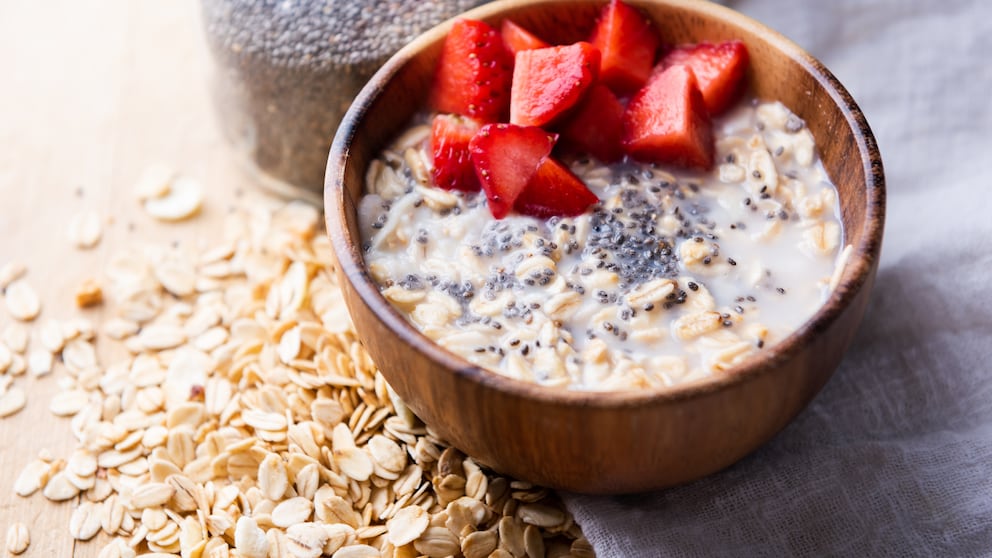
There are also ways to make oats a healthy breakfast during preparation. To reduce additional carbohydrates, avoid oat milk. Soy or cow’s milk is better. Yogurt or quark is also a good choice, as the proteins they contain slow down the absorption of carbohydrates. Fats have this effect too: nuts, seeds, or a splash of flaxseed oil are therefore popular toppings.
Pros eat their oats as “overnight oats,” letting them soak in the fridge overnight. During this time, the so-called phytic acid in oats is broken down, making nutrients more accessible and the oats more digestible.

What Makes a Healthy Breakfast? These Foods Are Ideal

How Healthy Is Muesli for Breakfast Really?
Muesli Quickly Becomes a Sugar Trap
I can only recommend supermarket muesli for breakfast with reservations. Manufacturers often add sugar. It’s not always obvious, like chocolate chips; dried fruit pieces also provide plenty of sugar. It’s worth checking the nutrition label when shopping: I would tolerate a maximum of 15 grams of sugar per 100 grams of muesli. If you have the time, you can, of course, buy individual ingredients and create your own muesli.
The same blood sugar tips apply here as with porridge: dairy products and toppings with healthy fats slow the rise.
Start the Day Protein-Rich with Eggs
If you want to ensure that your blood sugar level rises as little as possible in the morning, you should eat protein-rich foods—the Glucose Goddess often recommends six eggs! Honestly, I don’t think that’s necessary. An egg already contains five to eight grams of fat, depending on its size. This can slow digestion to the point of making you tired—not a great start to the day. Otherwise, there’s no nutritional reason to avoid an egg breakfast. However, those who do strength training should be aware that they can’t rely solely on a protein-rich breakfast. For optimal muscle growth, the daily protein requirement should be spread over four to six meals or snacks throughout the day.