


December 11, 2025, 10:08 am | Read time: 5 minutes
The importance of a healthy gut and an intact microbiome for both body and mind is becoming increasingly recognized. In this context, terms like prebiotics, probiotics, and postbiotics are often mentioned. What is the difference, and what is their function? What role does diet play in this? And how sensible is it to use dietary supplements in this regard?
Probiotics—Welcome Gut Residents
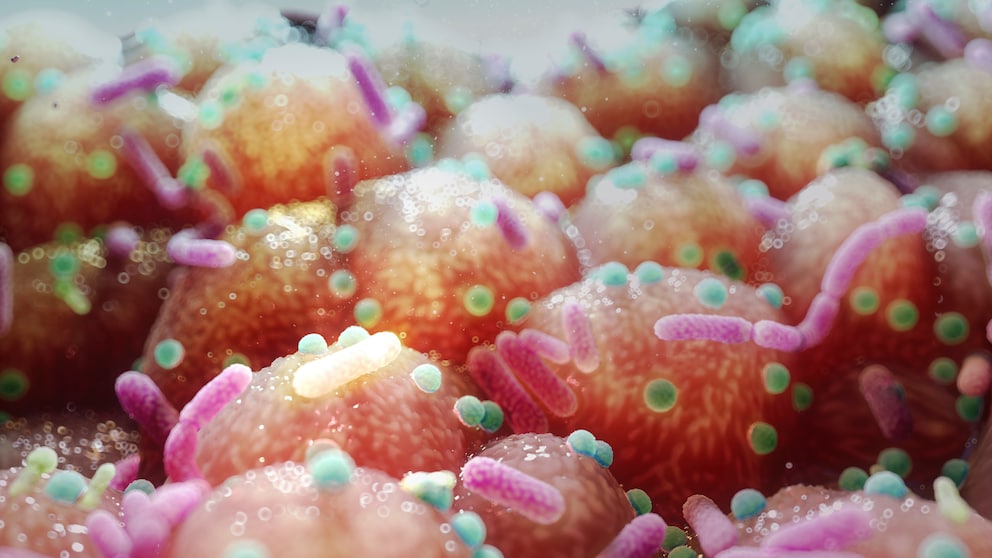
Probiotics are live microorganisms naturally found in fermented foods. They are among the “good” gut bacteria. This means they can demonstrably help restore an existing imbalance in the gut microbiome.1 For example, after a long illness, diarrhea, malnutrition, or antibiotic use.
But probiotics are also important for healthy people. They protect the digestive tract from unwanted invaders. This, in turn, leads to fewer inflammations, which studies suggest may reduce the risk of colon cancer.2
Long underestimated but increasingly discussed is the fact that probiotics can indirectly protect against mental illnesses like depression. A 2016 analysis of 15 human studies found that certain bacterial strains significantly alleviated anxiety, obsessive-compulsive disorders, and mood swings within a few weeks.3 An animal study also suggested that daily yogurt consumption could alleviate depression (FITBOOK reported).
The Lack of Healthy Gut Bacteria and the Dramatic Consequences
Those who are well-supplied with probiotics usually feel great in their skin. Digestion is good, the body mass index (BMI) is in a healthy range, and allergies and recurring infections are rarely an issue. Conversely, a lack of healthy gut bacteria can have far-reaching consequences. Recent findings suggest that a disturbed microbiome can promote pathological obesity.4 Bloating, diarrhea, abdominal pain, a weak immune system, mood swings, or type 2 diabetes can also be attributed to this, according to numerous studies.5 In short, if the gut is out of balance, almost everything is out of balance.
Foods Rich in Probiotics
With so-called probiotic foods, you can send a few new, helpful friends to the existing gut bacteria. Probiotic foods include all fermented products. It is important to ensure they are not pasteurized when purchasing, as this process kills bacteria—both good and bad. Those who enjoy experimenting in the kitchen should try fermenting foods themselves. Add to the shopping list:
- Yogurt
- Kefir
- Sauerkraut
- Kombucha
- Kimchi
- Brottrunk
- Apple cider vinegar
Prebiotics—The Favorite Food of Gut Bacteria
Although they sound similar, prebiotics, unlike probiotics, are not live microorganisms but indigestible fibers. While the rest of the body can’t do much with them, healthy gut bacteria are all the more delighted. Prebiotics ensure that gut bacteria thrive and remain healthy and beneficial. They include fibers like inulin and oligofructose, found in many fruits, vegetables, and legumes.
These Foods Are Rich in Prebiotics
Every meal containing prebiotics is a feast for the gut. Particularly important sources are:
- Legumes, beans, and peas
- Whole grain products
- Oats
- Bananas
- Algae
- Berries
- Asparagus
- Tomatoes
- Dandelion greens
- Garlic
- Onions
- Leeks
According to studies, about five grams of prebiotics per day are needed, which can be easily achieved with the “5 a day” rule. The health effects are enormous, including clear skin, relief from irritable bowel symptoms, improved immune defense, better immune responses to vaccines (influenza), improved cognitive functions (memory), and a more stable mood.
Prebiotics and Probiotics—One Cannot Do Without the Other
Simply put, probiotics need prebiotics to do their job properly. The latter provides the good bacteria in the gut with nutrients and energy. So when we eat plenty of fruits and vegetables, we are also feeding our microbiome.
Postbiotics—A Recent Discovery
Postbiotics are among the newer developments in the microbiome field. They are the bioactive metabolic products that result when gut bacteria have been fed. Particularly relevant are short-chain fatty acids like propionate and butyrate. They strengthen the gut barrier, support the immune system, and positively affect fat metabolism. Inactive microorganisms are also included—these are added to functional sodas, for example.
Doctor Reveals His Top Tips for a Healthy Gut
Not Just Bacteria: The Overlooked Factor for a Healthy Gut
Expert: Should You Take Probiotic Supplements on Your Own?
If everything is in balance, there is no need for outside intervention, as experts repeatedly emphasize. This is also the view of Munich proctologist Prof. Werner Kauer. In an interview with FITBOOK, he says: “As a healthy person, it is not necessary to take pre- or probiotics preventively. A balanced diet is completely sufficient.” Occasionally taking a pill as a precaution is also absolutely useless, “because they only work after reaching a sufficiently high concentration. This also applies to the occasional yogurt. You will certainly not achieve a measurable change in the gut flora with it,” says the expert. If there is a suspicion of a disturbed system, it should always be clarified medically.
Probiotic Capsules Can Have Drastic Side Effects
Although Prof. Kauer assumes that in most cases, there are no negative consequences from non-medically prescribed intake, recent studies report negative effects from prolonged overdosing. A particularly dramatic study by Augusta University in Georgia (USA) found that 30 out of 38 participants reported a “foggy consciousness,” characterized by confusion and concentration problems.6 They all took plenty of probiotics. Further investigations revealed that their intestinal walls were literally overpopulated. Only after discontinuation and the addition of a specific antibiotic did the cognitive impairments subside.